Attacker

Metal
Heavy Metal
Speed Metal
 Viberate Rank: 209409
 Viberate Rank: 209409
 Monthly ListenersFollowers
 Subscribers
 Followers
 Followers
 FansTop Spotify Songs
| Track | 7-Day Streams | |
|---|---|---|
1 | 1.20K | |
2 | 458 | |
3 | 412 | |
4 | 380 | |
5 | 362 |
Top YouTube VideosMonthly ListenersFeatured in Playlists| Playlist | Followers | |
|---|---|---|
1 |  FENRIZ METAL Gylve | 32.35K |
2 |  Metal Instrumentals Samidhya Sarker Torsho | 18.16K |
3 |  Heavy Metal Instrumentals 🎸 JaviFlames | 13.79K |
4 |  Reddit not all metal is insane noise & screaming dustbutt | 11.19K |
5 |  SPEED METAL ATTACK electric_warfare | 10.40K |
Audience| City | Monthly Listeners | |
|---|---|---|
1 |  | 151 |
2 |  | 113 |
3 |  | 105 |
4 |  | 63 |
5 | | 62 |
See full performance history, audience data, playlist activity, rankings, comparisons, and more in Viberate music analytics. Start with a free trial, then continue with a paid plan.
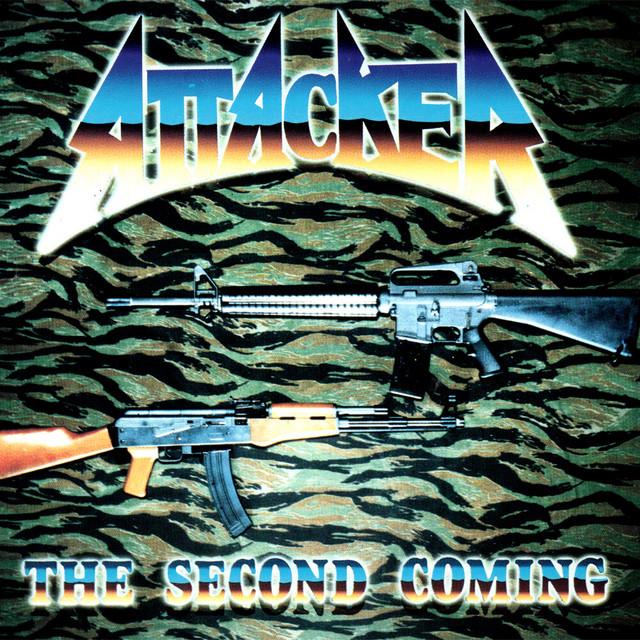
Attacker’s Spotify BioNew Jersey speed metal band Attacker was formed in 1983 (initially as "Warloc") and soon found themselves part of a healthy local scene also responsible for spawning technical thrashers Hades. After seeing their first demo snapped up for inclusion on Metal Blade's Metal Massacre, Vol. 5, Attacker's Bob Mitchell (vocals), Pat Marinelli (guitar), Jim Mooney (guitar), Lou Ciarlo (bass), and Mike Sabatini recorded their debut album, 1985's J.R.R. Tolkien-themed Battle at Helms Deep. Although it didn't exactly light up the pop charts, Battle at Helms Deep met with positive reviews and has since become a minor cult album among committed metal fans; but this wasn't enough for the members of Attacker, who, rather presumptuously, refused to entertain Metal Blade's offer to record a follow-up, choosing instead to bide their time in hopes that a major label deal would emerge. This proved the group's undoing in the end, as, by the time their 1988 sophomore effort, The Second Coming, finally saw… release through no-hope Mercenary Records, much momentum had been lost and the band was virtually unrecognizable after major personnel changes (holdovers Marinelli and Sabatini were now joined by vocalist John Leone, guitarist Tom D'Amico, and bassist Lou Ciarlo). Sure enough, by 1989, Attacker was history, with various members launching a short-lived new band named Jersey Dogs. Sadly, Leone passed away in 1994, as did Mooney in the year 2000; and still, not one but two separate versions of Attacker suddenly surfaced in 2001 and began making the rounds at local clubs. Finally coalescing into one, an official group featuring former members Mitchell, Marinelli, Benetados, and Sabatini, and new bassist Felix Torres, eventually recorded a comeback album in 2004's Soul Taker. ~ Eduardo Rivadavia, Rovi
Viberate is a music analytics platform built for A&Rs, artist managers, labels, booking agents, marketers, and artists.
It helps music professionals track artist growth, analyze audience data, monitor playlist activity, compare artists, follow song performance, and identify opportunities across the music market.
Public artist pages provide a free preview of selected artist data. Paid plans provide access to deeper analytics, historical data, charts, comparisons, playlist tools, exports, alerts, reports, and additional professional features.
Yes. Public Viberate artist pages provide selected artist analytics and music data for free.
Viberate also offers a 7-day free trial of the full platform. A credit card is required to start the trial. The trial includes access to the complete product so users can test deeper artist analytics, historical views, playlist insights, comparisons, charts, exports, alerts, and reporting features before choosing a paid plan.
Viberate provides artist analytics across streaming, playlists, social media, video, radio airplay, songs, and audience markets.
Users can analyze Spotify performance, Spotify and Apple Music playlists, YouTube activity, TikTok and Instagram growth, radio spins, song performance, audience locations, demographics, rankings, and overall artist momentum.
Artist profiles also connect to music charts, similar artists, and comparison tools, helping users benchmark performance and evaluate artists in context.
Viberate updates key artist and track data daily.
For followed artists and tracks, selected data is refreshed multiple times per day. This helps teams monitor playlist changes, streaming movement, audience growth, releases, and campaign performance with more current data.
Update frequency can vary depending on the metric and data source.
Yes. Viberate lets users compare up to five artists side by side across streaming, social media, audience, and engagement metrics.
Users can compare fanbase growth, audience demographics, locations, Spotify performance, social metrics, and other artist data over selected time periods.
Artist comparison can be used for A&R scouting, benchmarking, booking decisions, campaign planning, and evaluating artists with similar audiences or market positions.