Liege Lord

Metal
Power Metal
Speed Metal
 Viberate Rank: 196996
 Viberate Rank: 196996
 Monthly ListenersFollowers
 Subscribers
 Followers
 Followers
 FansTop Spotify Songs
| Track | 7-Day Streams | |
|---|---|---|
1 | 1.01K | |
2 | 601 | |
3 | 435 | |
4 | 287 | |
5 | 271 |
Top YouTube VideosMonthly ListenersFeatured in Playlists| Playlist | Followers | |
|---|---|---|
1 |  FENRIZ METAL Gylve | 32.35K |
2 |  Reddit not all metal is insane noise & screaming dustbutt | 11.19K |
3 |  SPEED METAL ATTACK electric_warfare | 10.41K |
4 |  '80s Underground Metal / Old School Metal Subterranean Steel | 6.31K |
5 | Classic Power Metal Vintage | 6.19K |
Audience| City | Monthly Listeners | |
|---|---|---|
1 |  | 109 |
2 |  | 105 |
3 |  | 103 |
4 |  | 87 |
5 |  | 57 |
See full performance history, audience data, playlist activity, rankings, comparisons, and more in Viberate music analytics. Start with a free trial, then continue with a paid plan.
Liege Lord’s Spotify BioOne of many quite competent yet largely unheralded American heavy metal bands of the 1980s, Camden, CT's Liege Lord were formed in 1982 and released three commercially unsuccessful but critically well-regarded albums, before quietly breaking up at the end of the decade. Sadly, this was actually a very common state of affairs for most American "classic" metal bands of the 1980s (e.g., Metal Church, Omen, Virgin Steele, etc., etc.), whose music was inspired by the New Wave of British Heavy Metal (as well as antecedents Judas Priest -- ergo Liege Lord's original name, Deceiver), instead of flashier homegrown hard rock groups like Aerosmith or Van Halen. As a result, Liege Lord members Andy Michaud (vocals), Tony Truglio (guitar), Pete McCarthy (guitar), Matt Vinci (bass), and Frank Cortese (drums) quickly realized that their demo tapes were gaining more traction among metal fans in Europe than in their own country, and so they didn't think twice about accepting an offer from French label… Black Dragon to release of their first album, Freedom's Rise, in 1985. Naturally, this situation virtually ensured that the band's career remained stillborn in the U.S.A., even while their crunchy and adept fantasy metal collected accolades across the pond.
But Liege Lord's fortunes seemed to take a turn for the better when California's rising Metal Blade Records signed on to release their sophomore album, Burn to My Touch, in 1987. Produced by Blue Öyster Cult bassist Joe Bouchard and with McCarthy replaced by new guitarist Paul Nelson (a student of Steve Vai, no less), the album showed vast improvement over its predecessor -- not only in terms of audio fidelity, but where the group's songwriting and performance chops were concerned. Liege Lord's music also appeared to be moving at an overall faster, speed metal clip, and yet they still seemed like hopeless anachronisms in comparison to the concurrent rise of an even faster and more aggressive brand of metal called thrash.
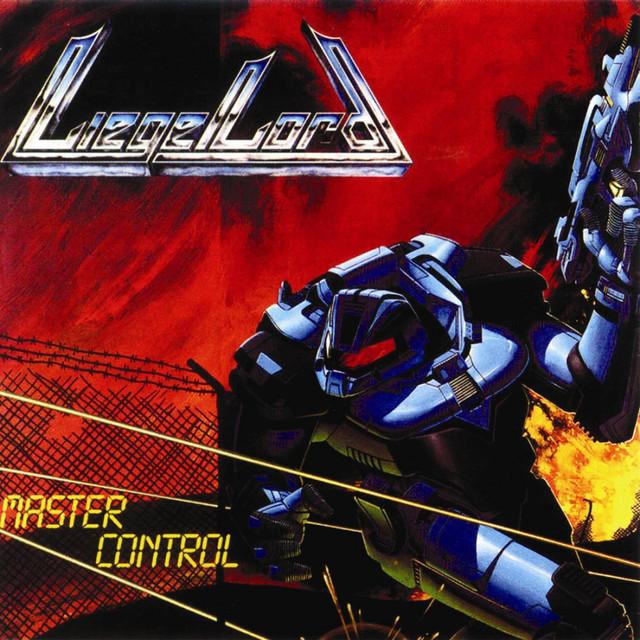
By the time they tentatively circled the mosh pit with 1988's slightly thrashier Master Control album, and the help of new singer John Comeau (later of Annihilator and Overkill), the match was effectively lost, and Liege Lord's team had been disqualified from '80s metal contention. However, as the years went by and a new style known as power metal grew in popularity across the world, and particularly in Europe, so too did many albums released by America's overlooked classic and speed metal generation, including those released by Liege Lord. So even though the band had been inactive and largely forgotten for years in its homeland, the summer of 2000 saw a partially reunited Liege Lord (led by Nelson and Comeau) performing before tens of thousands of metal fans at the Wacken Open Air Festival in Germany. ~ Eduardo Rivadavia, Rovi
Viberate is a music analytics platform built for A&Rs, artist managers, labels, booking agents, marketers, and artists.
It helps music professionals track artist growth, analyze audience data, monitor playlist activity, compare artists, follow song performance, and identify opportunities across the music market.
Public artist pages provide a free preview of selected artist data. Paid plans provide access to deeper analytics, historical data, charts, comparisons, playlist tools, exports, alerts, reports, and additional professional features.
Yes. Public Viberate artist pages provide selected artist analytics and music data for free.
Viberate also offers a 7-day free trial of the full platform. A credit card is required to start the trial. The trial includes access to the complete product so users can test deeper artist analytics, historical views, playlist insights, comparisons, charts, exports, alerts, and reporting features before choosing a paid plan.
Viberate provides artist analytics across streaming, playlists, social media, video, radio airplay, songs, and audience markets.
Users can analyze Spotify performance, Spotify and Apple Music playlists, YouTube activity, TikTok and Instagram growth, radio spins, song performance, audience locations, demographics, rankings, and overall artist momentum.
Artist profiles also connect to music charts, similar artists, and comparison tools, helping users benchmark performance and evaluate artists in context.
Viberate updates key artist and track data daily.
For followed artists and tracks, selected data is refreshed multiple times per day. This helps teams monitor playlist changes, streaming movement, audience growth, releases, and campaign performance with more current data.
Update frequency can vary depending on the metric and data source.
Yes. Viberate lets users compare up to five artists side by side across streaming, social media, audience, and engagement metrics.
Users can compare fanbase growth, audience demographics, locations, Spotify performance, social metrics, and other artist data over selected time periods.
Artist comparison can be used for A&R scouting, benchmarking, booking decisions, campaign planning, and evaluating artists with similar audiences or market positions.