Blood Feast

Metal
Thrash Metal
 Viberate Rank: 204496
 Viberate Rank: 204496
 Monthly ListenersFollowers
 Subscribers
 Followers
 Followers
 FansTop Spotify Songs
| Track | 7-Day Streams | |
|---|---|---|
1 | 418 | |
2 | 185 | |
3 | 172 | |
4 | 135 | |
5 | 113 |
Top YouTube VideosMonthly ListenersFeatured in Playlists| Playlist | Followers | |
|---|---|---|
1 |  FENRIZ METAL Gylve | 32.35K |
2 |  Metal Instrumentals Samidhya Sarker Torsho | 18.16K |
3 | Instrumental Metal! \m/ Chris Fay | 9.89K |
4 |  Early Thrash: The '80s & '90s Loudwire | 8.05K |
5 | Thrash Metal Up Your Ass Germonio | 6.86K |
Audience| City | Monthly Listeners | |
|---|---|---|
1 |  | 87 |
2 |  | 64 |
3 | | 54 |
4 |  | 51 |
5 | | 33 |
See full performance history, audience data, playlist activity, rankings, comparisons, and more in Viberate music analytics. Start with a free trial, then continue with a paid plan.
Blood Feast’s Spotify BioBlood Feast continues to forge its own twisted thrash metal path with the upcoming release of their 4th full-length album, Infinite Evilution. Fans old and new will not be disappointed, as the 'Unholy Trinity' of releases from the band's early days - Kill For Pleasure (1987), Face Fate (1988, EP) and Chopping Block Blues (1990) - and the band’s 2017 comeback album The Future State Of Wicked influence much of the new album. All the speed, brutality and twists 'n' turns the band is known for remain intact and in your face.
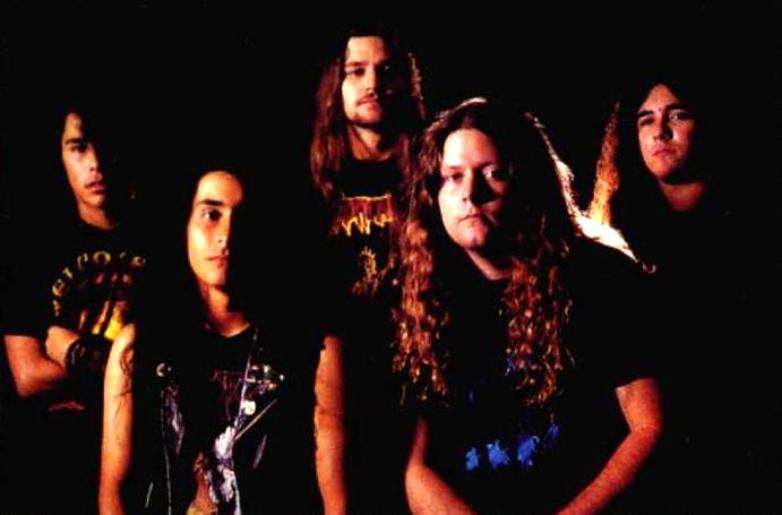
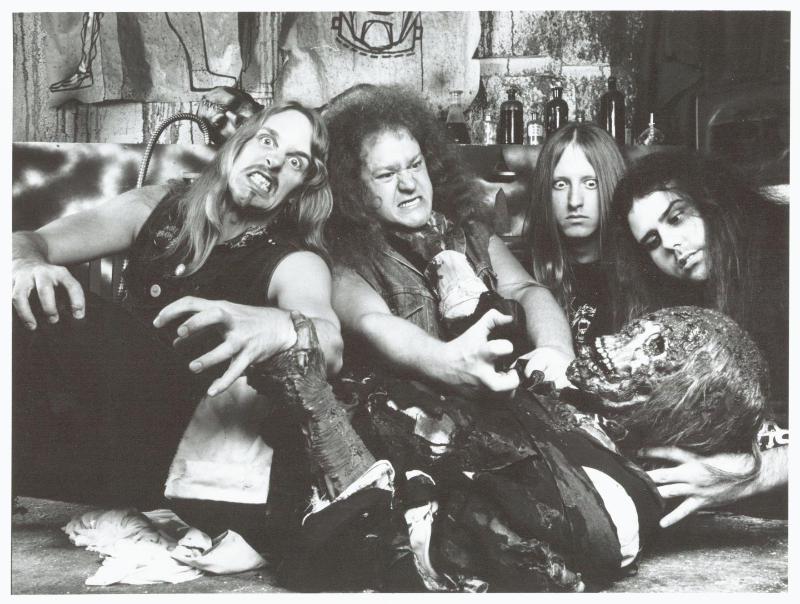
BLOOD FEAST was formed by Adam Tranquilli, Gary Markowich (vocals), Kevin Kuzma (drums) and Lou Starita (bass) in 1985 as Blood Lust. They quickly wrote and recorded their classic 4-song demo, The Suicidal Missions. Shortly after, they became a 5-piece with the addition of Michael Basden on guitar. The band was then approached by New Renaissance Records to contribute songs to their Thrash Metal Attack (Menacing Thunder) and Speed Metal Hell 3 (The Suicidal Missions).… This prompted the name change to BLOOD FEAST. New Renaissance then offered a record deal, which led to the recording of the classic Kill For Pleasure album and a US tour with DEATH ANGEL. The Face Fate EP quickly followed.
Albums
EPs
More bio at www.bloodfeastlegions.com
Viberate is a music analytics platform built for A&Rs, artist managers, labels, booking agents, marketers, and artists.
It helps music professionals track artist growth, analyze audience data, monitor playlist activity, compare artists, follow song performance, and identify opportunities across the music market.
Public artist pages provide a free preview of selected artist data. Paid plans provide access to deeper analytics, historical data, charts, comparisons, playlist tools, exports, alerts, reports, and additional professional features.
Yes. Public Viberate artist pages provide selected artist analytics and music data for free.
Viberate also offers a 7-day free trial of the full platform. A credit card is required to start the trial. The trial includes access to the complete product so users can test deeper artist analytics, historical views, playlist insights, comparisons, charts, exports, alerts, and reporting features before choosing a paid plan.
Viberate provides artist analytics across streaming, playlists, social media, video, radio airplay, songs, and audience markets.
Users can analyze Spotify performance, Spotify and Apple Music playlists, YouTube activity, TikTok and Instagram growth, radio spins, song performance, audience locations, demographics, rankings, and overall artist momentum.
Artist profiles also connect to music charts, similar artists, and comparison tools, helping users benchmark performance and evaluate artists in context.
Viberate updates key artist and track data daily.
For followed artists and tracks, selected data is refreshed multiple times per day. This helps teams monitor playlist changes, streaming movement, audience growth, releases, and campaign performance with more current data.
Update frequency can vary depending on the metric and data source.
Yes. Viberate lets users compare up to five artists side by side across streaming, social media, audience, and engagement metrics.
Users can compare fanbase growth, audience demographics, locations, Spotify performance, social metrics, and other artist data over selected time periods.
Artist comparison can be used for A&R scouting, benchmarking, booking decisions, campaign planning, and evaluating artists with similar audiences or market positions.