(Hed) P.E.

Metal
Alternative Metal
Rap Metal
Punk Rock
 Viberate Rank: 31783
 Viberate Rank: 31783
 Monthly ListenersFollowers
 Subscribers
 Followers
 Followers
 FansTop Spotify Songs
| Track | 7-Day Streams | |
|---|---|---|
1 | 38.06K | |
2 | 33.89K | |
3 | 23.77K | |
4 | 16.74K | |
5 | 14.53K |
Top YouTube VideosMonthly ListenersFeatured in Playlists| Playlist | Followers | |
|---|---|---|
1 | Best '90s Rock Playlist LUMA | 129.10K |
2 | deftones gym playlist to go insane to ig @pbnis | 96.86K |
3 | butlermf02270830 | 73.87K |
4 |  METAL COVERS💚OF POP SONGS 🔱 THEOCIDE STUDIOS 🔱 | 38.37K |
5 |  Kerrang! 2000s Era Chris Aspden | 33.00K |
Audience| City | Monthly Listeners | |
|---|---|---|
1 |  | 5.84K |
2 | | 5.15K |
3 | | 4.56K |
4 | | 4.47K |
5 | | 4.40K |
See full performance history, audience data, playlist activity, rankings, comparisons, and more in Viberate music analytics. Start with a free trial, then continue with a paid plan.
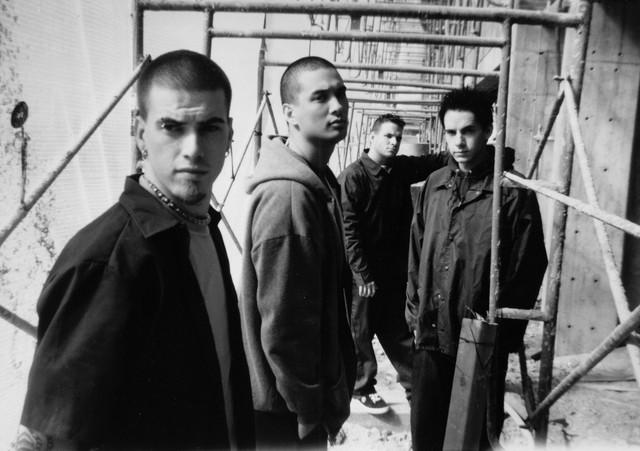
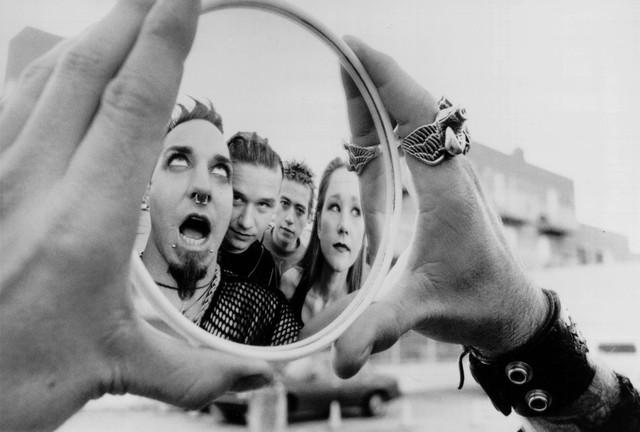
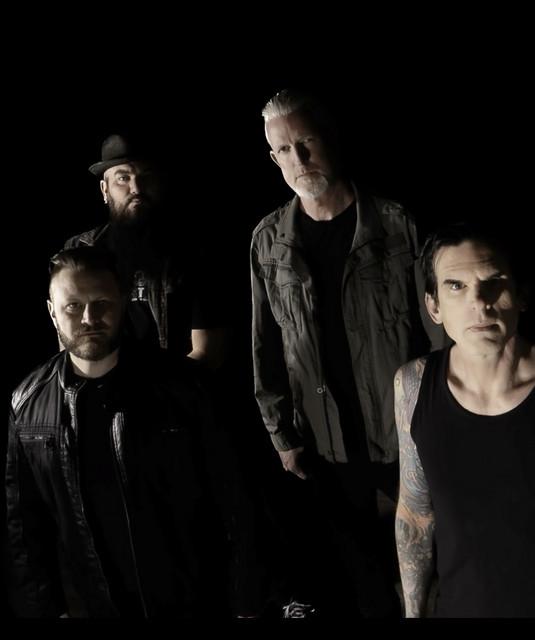
(Hed) P.E.’s Spotify BioHuntington Beach, California's (hed) p.e. (the "pe" stands for "Planet Earth") were founded in 1994 by frontman Jahred (aka M.C.U.D. aka Jared Gomes), whose goal was to fuse the region's long-standing punk rock heritage with G-funk-inflected hip-hop -- a sound he labeled "G-punk." The group found mainstream success in the early 2000s via their second and third albums, Broke and Blackout, both of which were released by Jive Records. A move to indie label Suburban Noize yielded the 9/11 Truth Movement concept LP New World Orphans, and in 2019 the eclectic rockers issued their tenth studio long-player, Stampede.
(hed) p.e. (also comprising lead guitarist Wesley "Wesstyle" Geer, rhythm guitarist Chad "Chizad" Benekos, bassist Mark "Mawk" Young, drummer Ben "B.C." Vaught, and Doug "DJ Product @ 1969" Boyce on turntables and samples) released their eponymous debut through Jive Records, then hit the road with Ozzfest and bands like Korn, Static-X, and System of a Down. A second album, Broke,… followed in the year 2000, and a third, Blackout, arrived in 2003, after which (hed) p.e. switched labels from Jive to Koch and underwent something of an overhaul (welcoming new guitarist Jaxon Benge and drummer Mark "Moke" Bistany) prior to recording their fourth album, 2005's Only in Amerika.
The all-new Back 2 Base X and the Best of (hed) Planet Earth compilation arrived in 2006, followed by Flat Bill Hat in the summer of 2007 and the politically charged concept LP New World Orphans in 2009. A second compilation, titled Major Pain 2 Indee Freedom: The Best of Hed P.E., was released in 2010, featuring a new track and a limited-edition concert film of the group performing live in Los Angeles. That same year they dropped Truth Rising, which broke into the Billboard Top 100. Yet another compilation was released in 2013, just as DJ Product parted ways with the band. More departures came the next year as Benge and Young left, replaced by Greg "Gregzilla" Harrison and Kurt "Kid Bass" Blankenship, respectively. Evolution (previously titled Ascension) was issued in the summer of 2014. Forever!, their ninth effort and first with only one founding member, arrived in 2016. In 2019 the band returned with their tenth full-length effort, the versatile Stampede. ~ Eduardo Rivadavia & Neil Z. Yeung, Rovi
Viberate is a music analytics platform built for A&Rs, artist managers, labels, booking agents, marketers, and artists.
It helps music professionals track artist growth, analyze audience data, monitor playlist activity, compare artists, follow song performance, and identify opportunities across the music market.
Public artist pages provide a free preview of selected artist data. Paid plans provide access to deeper analytics, historical data, charts, comparisons, playlist tools, exports, alerts, reports, and additional professional features.
Yes. Public Viberate artist pages provide selected artist analytics and music data for free.
Viberate also offers a 7-day free trial of the full platform. A credit card is required to start the trial. The trial includes access to the complete product so users can test deeper artist analytics, historical views, playlist insights, comparisons, charts, exports, alerts, and reporting features before choosing a paid plan.
Viberate provides artist analytics across streaming, playlists, social media, video, radio airplay, songs, and audience markets.
Users can analyze Spotify performance, Spotify and Apple Music playlists, YouTube activity, TikTok and Instagram growth, radio spins, song performance, audience locations, demographics, rankings, and overall artist momentum.
Artist profiles also connect to music charts, similar artists, and comparison tools, helping users benchmark performance and evaluate artists in context.
Viberate updates key artist and track data daily.
For followed artists and tracks, selected data is refreshed multiple times per day. This helps teams monitor playlist changes, streaming movement, audience growth, releases, and campaign performance with more current data.
Update frequency can vary depending on the metric and data source.
Yes. Viberate lets users compare up to five artists side by side across streaming, social media, audience, and engagement metrics.
Users can compare fanbase growth, audience demographics, locations, Spotify performance, social metrics, and other artist data over selected time periods.
Artist comparison can be used for A&R scouting, benchmarking, booking decisions, campaign planning, and evaluating artists with similar audiences or market positions.