Adema

Metal
Alternative Metal
Nu Metal
 Viberate Rank: 37996
 Viberate Rank: 37996
 Monthly ListenersFollowers
 Subscribers
 Followers
 Followers
 FansTop Spotify Songs
| Track | 7-Day Streams | |
|---|---|---|
1 | 73.37K | |
2 | 69.12K | |
3 | 25.44K | |
4 | 19.47K | |
5 | 11.86K |
Top YouTube Videos| Video | 7-Day Views | |
|---|---|---|
1 | 26.95K | |
2 | 17.58K | |
3 | 17.55K | |
4 | 3.76K | |
5 | 1.25K |
Monthly ListenersFeatured in Playlists| Playlist | Followers | |
|---|---|---|
1 |  Nu Metal Era Spotify | 2.34M |
2 |  00s Metal Classics Spotify | 1.42M |
3 |  Energy Booster Rock Spotify | 417.03K |
4 |  The Ultimate Divorced Dad Rock Playlist Skoopa76 | 141.41K |
5 | NOW That's What I Call Music 1-50 Other Dave Moore | 83.60K |
Audience| City | Monthly Listeners | |
|---|---|---|
1 | | 4.64K |
2 | | 3.76K |
3 | | 3.38K |
4 | | 3.21K |
5 |  | 3.06K |
See full performance history, audience data, playlist activity, rankings, comparisons, and more in Viberate music analytics. Start with a free trial, then continue with a paid plan.
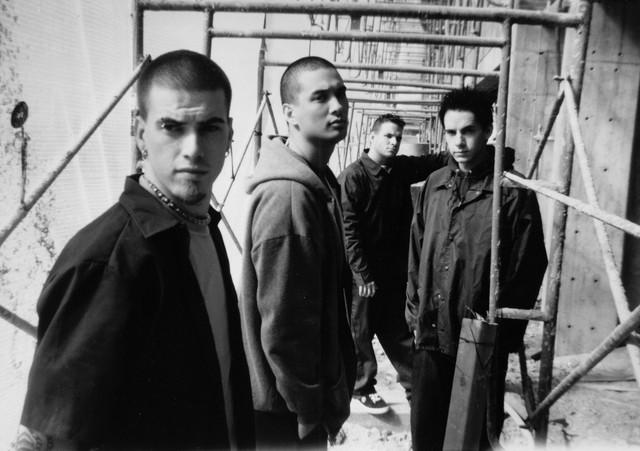
Adema’s Spotify BioAdema is a post-grunge, alternative metal band with heavy electronica influence who began their musical adventure together in 1998 in Bakersfield and as their original lineup of Dave DeRoo, Kris Kohls, Mike Ransom, Tim Fluckey, and Mark Chavez released full-length albums Adema, Unstable, and EP Insomniac’s Dream. During this time they found themselves sharing the stage alongside of some of rock’s biggest acts at the time.
After Unstable, the band found itself facing major roadblocks in their future. The most impactful being the departure of two founding members, lead vocalist Mark Chavez, and guitarist Mike Ransom. Remaining members Tim, Dave, and Kris showed exceptional resilience through the years, managing to secure a second record deal with Earache Records, continuing to tour, and releasing full-length records Planets and Kill the Headlights, followed by EP Topple the Giants.
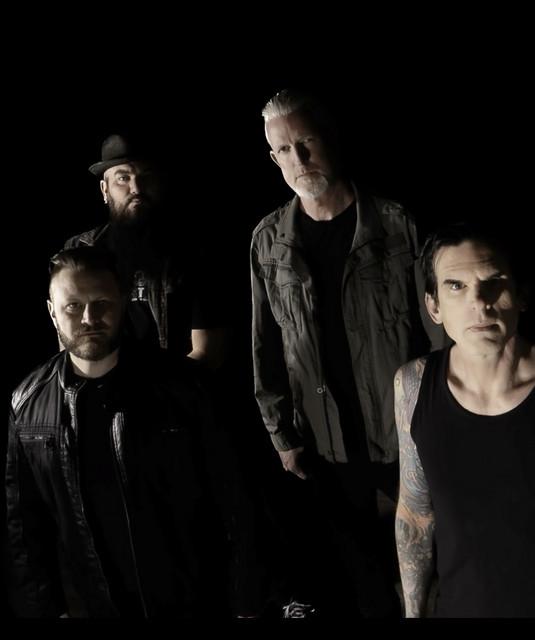
2010 brought us their first reunion as the original 5 members. Chavez left the group, and then again in 2017… they got back together until Chavez refused several tour offers. Kris Kohls called long-time friend of the band, Ryan Shuck (Orgy, Julien-K, Dead By Sunrise). With their first major tour announced in the Fall of 2019 the band proved that it was still a relevant touring act playing to packed venues throughout North America.
Adema is currently planning its first major single release & music video for “Ready To Die” in AUG 2021, and leaving for a major North American tour in SEPT.
Viberate is a music analytics platform built for A&Rs, artist managers, labels, booking agents, marketers, and artists.
It helps music professionals track artist growth, analyze audience data, monitor playlist activity, compare artists, follow song performance, and identify opportunities across the music market.
Public artist pages provide a free preview of selected artist data. Paid plans provide access to deeper analytics, historical data, charts, comparisons, playlist tools, exports, alerts, reports, and additional professional features.
Yes. Public Viberate artist pages provide selected artist analytics and music data for free.
Viberate also offers a 7-day free trial of the full platform. A credit card is required to start the trial. The trial includes access to the complete product so users can test deeper artist analytics, historical views, playlist insights, comparisons, charts, exports, alerts, and reporting features before choosing a paid plan.
Viberate provides artist analytics across streaming, playlists, social media, video, radio airplay, songs, and audience markets.
Users can analyze Spotify performance, Spotify and Apple Music playlists, YouTube activity, TikTok and Instagram growth, radio spins, song performance, audience locations, demographics, rankings, and overall artist momentum.
Artist profiles also connect to music charts, similar artists, and comparison tools, helping users benchmark performance and evaluate artists in context.
Viberate updates key artist and track data daily.
For followed artists and tracks, selected data is refreshed multiple times per day. This helps teams monitor playlist changes, streaming movement, audience growth, releases, and campaign performance with more current data.
Update frequency can vary depending on the metric and data source.
Yes. Viberate lets users compare up to five artists side by side across streaming, social media, audience, and engagement metrics.
Users can compare fanbase growth, audience demographics, locations, Spotify performance, social metrics, and other artist data over selected time periods.
Artist comparison can be used for A&R scouting, benchmarking, booking decisions, campaign planning, and evaluating artists with similar audiences or market positions.