Mushroomhead

Metal
Alternative Metal
Nu Metal
 Viberate Rank: 18016
 Viberate Rank: 18016
 Monthly ListenersFollowers
 Subscribers
 Followers
 Followers
 FansTop Spotify Songs
| Track | 7-Day Streams | |
|---|---|---|
1 | 126.89K | |
2 | 40.34K | |
3 | 38.15K | |
4 | 19.85K | |
5 | 17.56K |
Top YouTube VideosMonthly ListenersFeatured in Playlists| Playlist | Followers | |
|---|---|---|
1 |  00s Metal Classics Spotify | 1.42M |
2 |  Devil May Cry anime netflix official soundtrack just a chill dark guy | 54.82K |
3 |  The Sound of Everything The Sounds of Spotify | 53.81K |
4 | Nu Metal Real Hits nigel2311 | 45.39K |
5 |  Workout Metal (Beast Mode) 1MoreRep | 43.89K |
Audience| City | Monthly Listeners | |
|---|---|---|
1 |  | 7.13K |
2 | | 6.92K |
3 | | 5.46K |
4 |  | 5.22K |
5 |  | 4.82K |
See full performance history, audience data, playlist activity, rankings, comparisons, and more in Viberate music analytics. Start with a free trial, then continue with a paid plan.
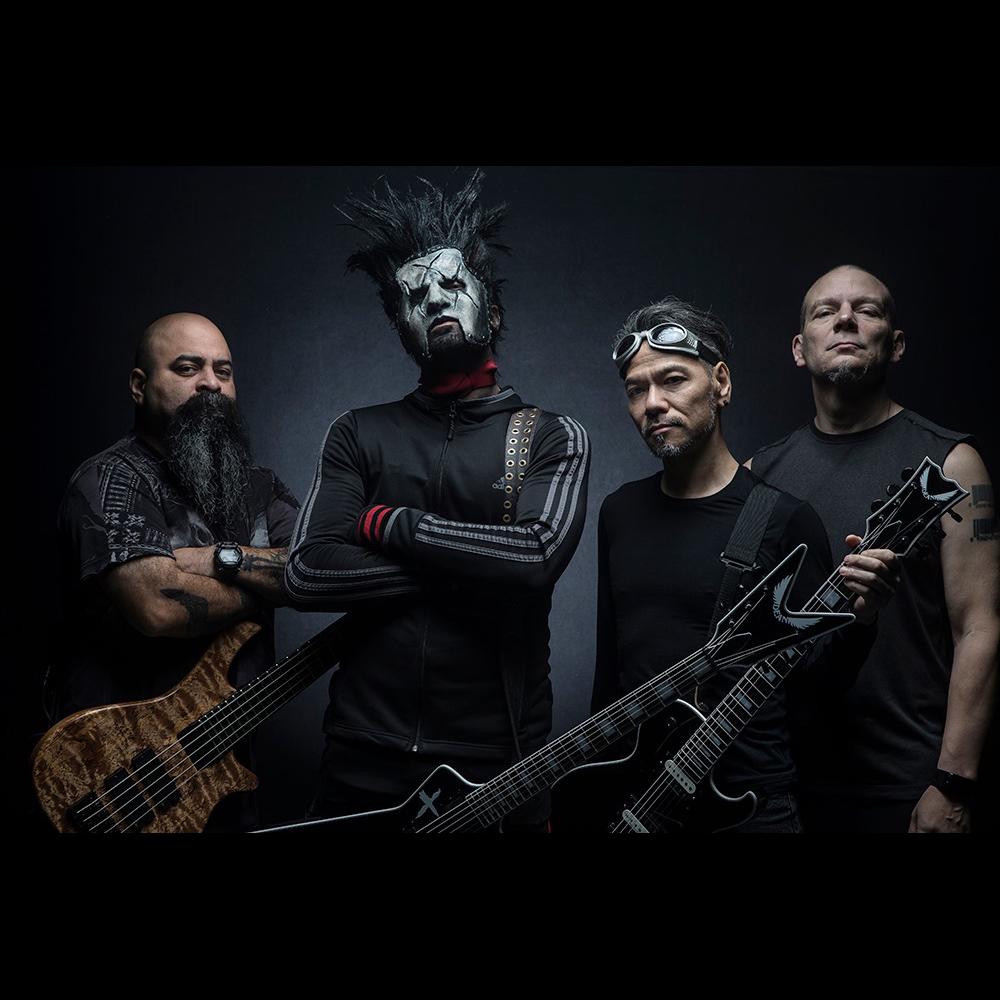
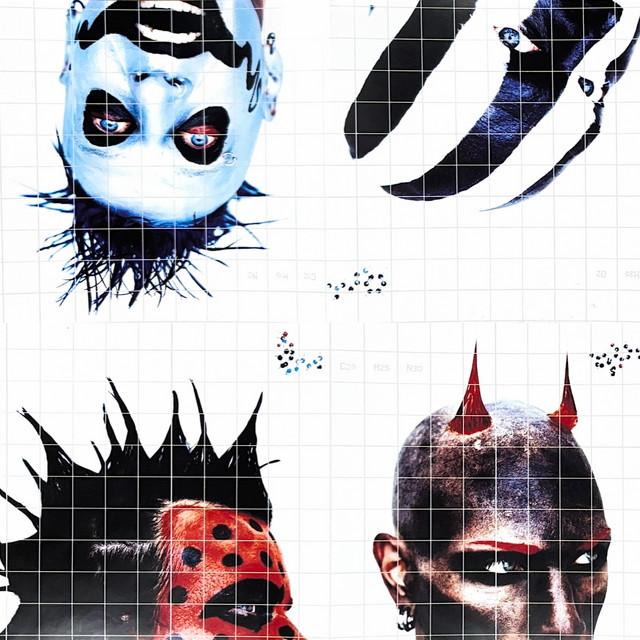
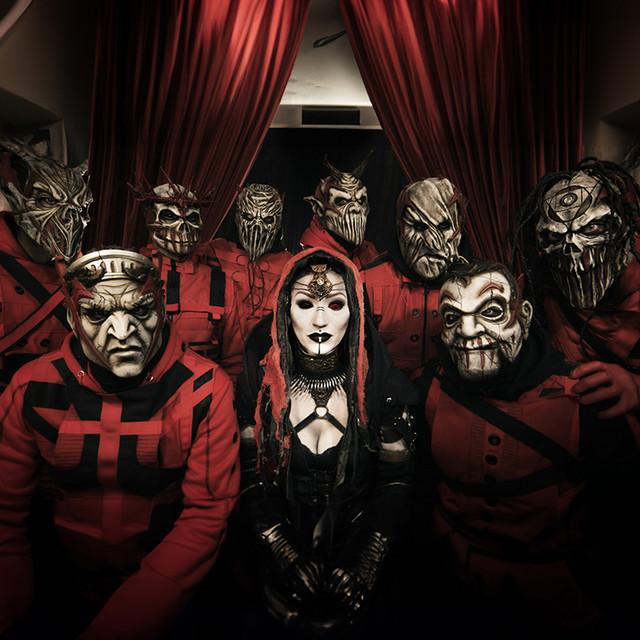
Mushroomhead’s Spotify BioKnown for their theatrical live show and the black masks that most of their members wear on-stage, Mushroomhead are one of the more unique and adventurous alternative metal outfits that emerged in the 1990s. The band's forceful yet melodic alternative metal incorporates elements of hip-hop, punk, and goth rock as well as industrial and techno. Since releasing their eponymous debut in 1995, Mushroomhead have sold over two million albums worldwide, with highlights arriving via 2003's XIII, 2006's Savior Sorrow, and 2014's The Righteous & the Butterfly.
The members of Mushroomhead have been performing incognito since 1993, when drummer Skinny founded the band. At first, Mushroomhead were only meant to be a side project. Their members were playing in various local bands at the time, and they wore the blacks masks (which look like a cross between S&M/bondage masks and World War I gas masks) so that people wouldn't recognize them. The only Mushroomhead member who doesn't wear a black mask… opts for Kiss-like clown makeup instead. After a few years, the group became one of Cleveland's top local attractions -- and the bandmembers kept wearing the masks when they saw how intriguing people found them to be.
Mushroomhead's self-titled debut album was released independently in 1995, followed by Superbuick in 1996 and M3 in 1999. The Midwesterners signed with Eclipse in 2000, and their next record, XX, came out the following year. In 2001, Mushroomhead's members included drummer/founder Skinny, lead vocalists J-Mann and Jeffrey Nothing, guitarists Bronson and Gravy, keyboardist Shmotz, bassist Pig Benis, and sample provider Stitch when they signed to Universal Records to re-release XX. Their first proper effort for the label was 2003's dynamic XIII, but the band soon parted ways with not only Universal but also vocalist J-Mann during a subsequent tour. Undeterred, Mushroomhead pressed on with their D.I.Y. ethos intact and welcomed new frontman Waylon, formerly of 3 Quarters Dead, into the fray.
The concert film Mushroomhead, Vol. 1 followed in mid-2005 before the group returned in September 2006 with the critically acclaimed Savior Sorrow, released through New York-based indie Megaforce Records. Beautiful Stories for Ugly Children, the band's seventh studio album, arrived in 2010, followed in 2014 by The Righteous & the Butterfly, the latter of which became the group's first album to crack the Top 20 of the Billboard Top 200. 2020's A Wonderful Life introduced new members Steve Rauckhorst and Jackie LaPonza (vocals), and Tom Shaffner (guitar), who replaced longtime vocalist Jeffrey Nothing and guitar player Tommy Church. It was Mushroomhead's eighth studio LP and first outing for Napalm Records. ~ Alex Henderson, Rovi
Viberate is a music analytics platform built for A&Rs, artist managers, labels, booking agents, marketers, and artists.
It helps music professionals track artist growth, analyze audience data, monitor playlist activity, compare artists, follow song performance, and identify opportunities across the music market.
Public artist pages provide a free preview of selected artist data. Paid plans provide access to deeper analytics, historical data, charts, comparisons, playlist tools, exports, alerts, reports, and additional professional features.
Yes. Public Viberate artist pages provide selected artist analytics and music data for free.
Viberate also offers a 7-day free trial of the full platform. A credit card is required to start the trial. The trial includes access to the complete product so users can test deeper artist analytics, historical views, playlist insights, comparisons, charts, exports, alerts, and reporting features before choosing a paid plan.
Viberate provides artist analytics across streaming, playlists, social media, video, radio airplay, songs, and audience markets.
Users can analyze Spotify performance, Spotify and Apple Music playlists, YouTube activity, TikTok and Instagram growth, radio spins, song performance, audience locations, demographics, rankings, and overall artist momentum.
Artist profiles also connect to music charts, similar artists, and comparison tools, helping users benchmark performance and evaluate artists in context.
Viberate updates key artist and track data daily.
For followed artists and tracks, selected data is refreshed multiple times per day. This helps teams monitor playlist changes, streaming movement, audience growth, releases, and campaign performance with more current data.
Update frequency can vary depending on the metric and data source.
Yes. Viberate lets users compare up to five artists side by side across streaming, social media, audience, and engagement metrics.
Users can compare fanbase growth, audience demographics, locations, Spotify performance, social metrics, and other artist data over selected time periods.
Artist comparison can be used for A&R scouting, benchmarking, booking decisions, campaign planning, and evaluating artists with similar audiences or market positions.