Sugarloaf

Rock
Psychedelic Rock
Country Rock
 Viberate Rank: 86640
 Viberate Rank: 86640
 Monthly ListenersFollowers
 Subscribers
 Followers
 Followers
 FansTop Spotify Songs
| Track | 7-Day Streams | |
|---|---|---|
1 | 38.15K | |
2 | 16.23K | |
3 | 1.73K | |
4 | 1.52K | |
5 | 1.52K |
Top YouTube VideosMonthly ListenersFeatured in Playlists| Playlist | Followers | |
|---|---|---|
1 |  500 Greatest Classic Rock Songs Of All Time Time to Rock! | 57.23K |
2 |  The Ultimate Vietnam War Era Playlist ed.02 | 31.52K |
3 |  360° : The Best Indie Music Eric Alper | 30.14K |
4 |  Greatest Hits of All Time 1950-2026 IndieMassive Hits | 23.85K |
5 | 70'S songs Player — Baby Come Back Joe Rocha | 20.95K |
Audience| City | Monthly Listeners | |
|---|---|---|
1 | | 2.62K |
2 |  | 1.62K |
3 | | 1.58K |
4 | | 1.51K |
5 | | 1.46K |
See full performance history, audience data, playlist activity, rankings, comparisons, and more in Viberate music analytics. Start with a free trial, then continue with a paid plan.
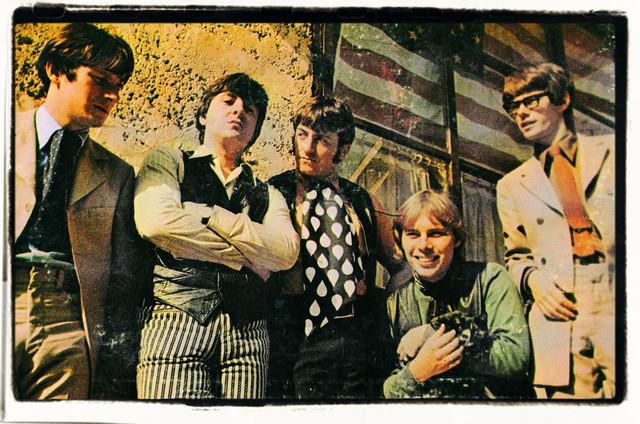
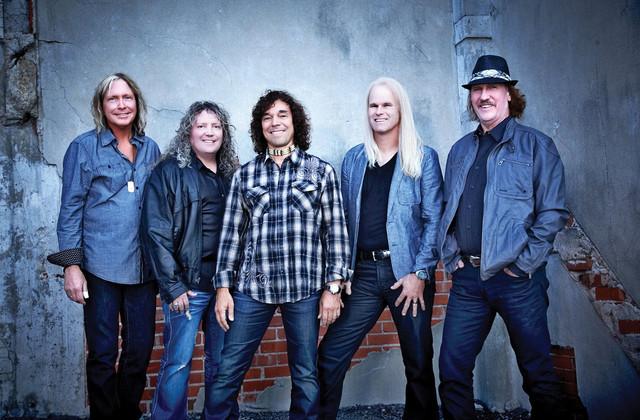
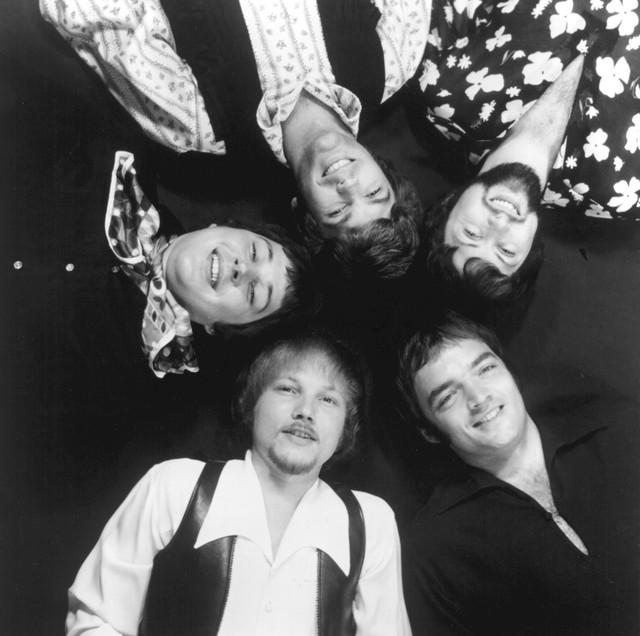
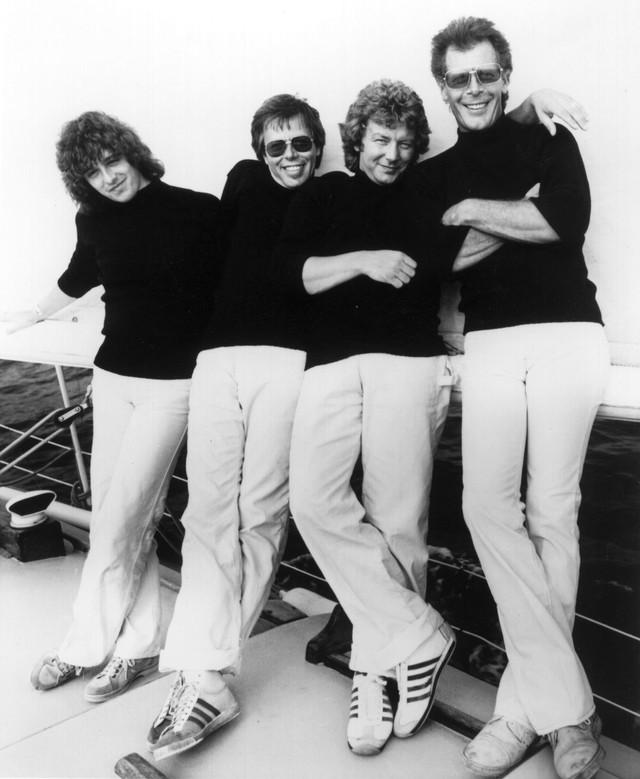
Sugarloaf’s Spotify BioBest known for their 1970 AM pop classic "Green-Eyed Lady," Sugarloaf was formed in 1969 in Denver out of the ashes of the Moonrakers, which had released an album in 1968. Singer/keyboardist Jerry Corbetta and guitarist Bob Webber founded the group, adding Moonraker mates Bob MacVittie on drums and Veeder Van Dorn on rhythm guitar, plus bassist Bob Raymond. Originally dubbed Chocolate Hair, the band lost Van Dorn after just a few months when he joined Mescalero Space Kit. On the strength of their demos, the band was signed to Liberty, and changed their name to Sugarloaf, after a Colorado mountain popular with skiers (the record company was concerned about the possible racial overtones of Chocolate Hair). Sugarloaf recorded their self-titled debut album in 1970, and the single "Green-Eyed Lady" -- co-written by Corbetta and based on a piece of a scale exercise in a practice book -- slowly became a nationwide hit, catching on in more and more markets until it finally peaked at number… three on the pop charts. For the follow-up album, 1971's Spaceship Earth, Sugarloaf added guitarist/songwriter Bob Yeazel, who had previously played on two albums as part of a Denver band called the Beast. Spaceship Earth didn't produce any hits, and disagreements over the band's choice of producers followed. Yeazel wound up leaving prior to the release of 1973's I Got a Song, which appeared on the smaller Brut label and featured former Beast drummer Larry Ferris. Resurfacing on Claridge in 1975, Sugarloaf finally scored that elusive follow-up hit with the title track from their fourth and final album, Don't Call Us -- We'll Call You. However, they subsequently disbanded. Corbetta went on to release a solo album on Warner Bros., and later worked with Frankie Valli & the Four Seasons as a writer, producer, and backing musician. ~ Steve Huey, Rovi
Viberate is a music analytics platform built for A&Rs, artist managers, labels, booking agents, marketers, and artists.
It helps music professionals track artist growth, analyze audience data, monitor playlist activity, compare artists, follow song performance, and identify opportunities across the music market.
Public artist pages provide a free preview of selected artist data. Paid plans provide access to deeper analytics, historical data, charts, comparisons, playlist tools, exports, alerts, reports, and additional professional features.
Yes. Public Viberate artist pages provide selected artist analytics and music data for free.
Viberate also offers a 7-day free trial of the full platform. A credit card is required to start the trial. The trial includes access to the complete product so users can test deeper artist analytics, historical views, playlist insights, comparisons, charts, exports, alerts, and reporting features before choosing a paid plan.
Viberate provides artist analytics across streaming, playlists, social media, video, radio airplay, songs, and audience markets.
Users can analyze Spotify performance, Spotify and Apple Music playlists, YouTube activity, TikTok and Instagram growth, radio spins, song performance, audience locations, demographics, rankings, and overall artist momentum.
Artist profiles also connect to music charts, similar artists, and comparison tools, helping users benchmark performance and evaluate artists in context.
Viberate updates key artist and track data daily.
For followed artists and tracks, selected data is refreshed multiple times per day. This helps teams monitor playlist changes, streaming movement, audience growth, releases, and campaign performance with more current data.
Update frequency can vary depending on the metric and data source.
Yes. Viberate lets users compare up to five artists side by side across streaming, social media, audience, and engagement metrics.
Users can compare fanbase growth, audience demographics, locations, Spotify performance, social metrics, and other artist data over selected time periods.
Artist comparison can be used for A&R scouting, benchmarking, booking decisions, campaign planning, and evaluating artists with similar audiences or market positions.