Donnie Iris

Rock
Hard Rock
 Viberate Rank: 70298
 Viberate Rank: 70298
 Monthly ListenersFollowers
 Subscribers
 Followers
 Followers
 FansTop Spotify Songs
| Track | 7-Day Streams | |
|---|---|---|
1 | 127.05K | |
2 | 20.91K | |
3 | 6.04K | |
4 | 4.11K | |
5 | 3.88K |
Top YouTube Videos| Video | 7-Day Views | |
|---|---|---|
1 | 1.43K | |
2 | 1.37K | |
3 | 771 | |
4 | 305 | |
5 | 287 |
Monthly ListenersFeatured in Playlists| Playlist | Followers | |
|---|---|---|
1 | Classic Rock Greatest Hits Scott Pruden | 341.38K |
2 | Mat Young | 67.69K |
3 | Classics 60's - 90's scootbarz | 51.19K |
4 |  Maysilee Donner Mckenna Grace <3 | 36.51K |
5 |  Born in the Wrong Era Bryson Keith | 31.04K |
Audience| City | Monthly Listeners | |
|---|---|---|
1 | | 10.90K |
2 | | 7.08K |
3 | | 4.97K |
4 | | 4.94K |
5 | | 4.80K |
See full performance history, audience data, playlist activity, rankings, comparisons, and more in Viberate music analytics. Start with a free trial, then continue with a paid plan.
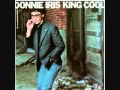
Donnie Iris’ Spotify BioHe found fame as the lead singer of the Jaggerz (the one-hit wonder from 1970 responsible for the number two hit "The Rapper"), but Donny Iris returned to the pop charts in the early '80s several times as a solo act. Born Dominic Ierace in Beaver Falls, PA, Iris began singing at weddings at age five, and by eight was performing on local television and entering talent contests. When his voice changed, he took up the drums but later got back into singing while in high school. A self-taught guitarist, he formed Donnie & the Donnells while in college.
The Jaggerz, Iris' next band, were formed from the remains of several local bands. Though the band's big hit was "The Rapper," in actuality, the band began as an R&B revue. Outside of Pittsburgh, where songs like "Gotta Find My Way Back Home" and "(That's Why) Baby I Love You" (on Gambel Records) were radio favorites, this period did not bring much success to Iris or the band. Their next move was to Kama Sutra, where Iris' "The Rapper" was the… first in a series of three hits the band enjoyed.
After the Jaggerz broke up, Iris toured with Wild Cherry, whose 1976 hit "Play That Funky Music" made them a hot property into the end of the decade. Unfortunately, Wild Cherry was another one-hit wonder, and Iris was out of a job by 1980.
That same year, Iris teamed up with keyboard player Mark Avsec (ex-Wild Cherry & Breathless) for the first in a series of good albums for MCA; the single "Ah! Leah!" hit number 29 that year, and six second-rank singles charted during the next five years. Avsec and Iris' collaboration proved to be a good thing in both the songwriting and artist/producer department during this time. By the time of 1993's Footsoldier in the Moonlight, though, Iris' talent as a songwriter had apparently dried up and he was relying entirely on Avsec originals. ~ Jim Worbois, Rovi
Viberate is a music analytics platform built for A&Rs, artist managers, labels, booking agents, marketers, and artists.
It helps music professionals track artist growth, analyze audience data, monitor playlist activity, compare artists, follow song performance, and identify opportunities across the music market.
Public artist pages provide a free preview of selected artist data. Paid plans provide access to deeper analytics, historical data, charts, comparisons, playlist tools, exports, alerts, reports, and additional professional features.
Yes. Public Viberate artist pages provide selected artist analytics and music data for free.
Viberate also offers a 7-day free trial of the full platform. A credit card is required to start the trial. The trial includes access to the complete product so users can test deeper artist analytics, historical views, playlist insights, comparisons, charts, exports, alerts, and reporting features before choosing a paid plan.
Viberate provides artist analytics across streaming, playlists, social media, video, radio airplay, songs, and audience markets.
Users can analyze Spotify performance, Spotify and Apple Music playlists, YouTube activity, TikTok and Instagram growth, radio spins, song performance, audience locations, demographics, rankings, and overall artist momentum.
Artist profiles also connect to music charts, similar artists, and comparison tools, helping users benchmark performance and evaluate artists in context.
Viberate updates key artist and track data daily.
For followed artists and tracks, selected data is refreshed multiple times per day. This helps teams monitor playlist changes, streaming movement, audience growth, releases, and campaign performance with more current data.
Update frequency can vary depending on the metric and data source.
Yes. Viberate lets users compare up to five artists side by side across streaming, social media, audience, and engagement metrics.
Users can compare fanbase growth, audience demographics, locations, Spotify performance, social metrics, and other artist data over selected time periods.
Artist comparison can be used for A&R scouting, benchmarking, booking decisions, campaign planning, and evaluating artists with similar audiences or market positions.