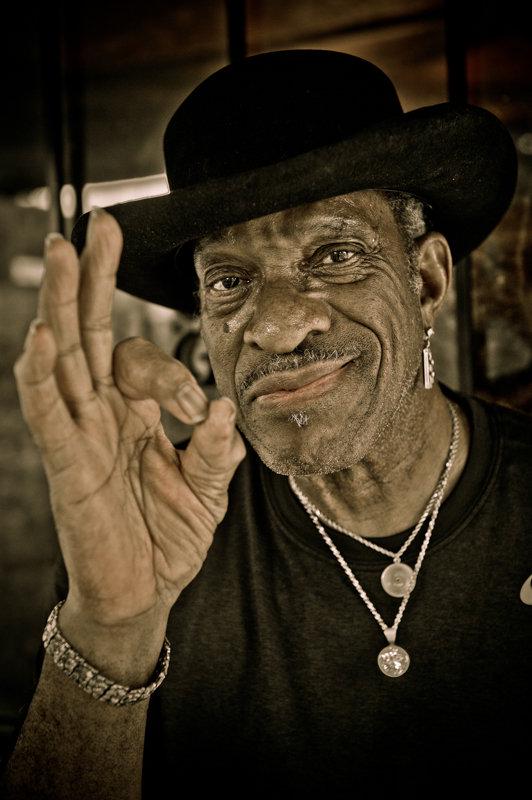
Harmonica Slim

Blues
Classic Blues
Soul
 Viberate Rank: 586424
 Viberate Rank: 586424
 Monthly ListenersFollowers
 Subscribers
 Followers
 Followers
 FansTop Spotify Songs
| Track | 7-Day Streams | |
|---|---|---|
1 | 339 | |
2 | 184 | |
3 | 160 | |
4 | 15 | |
5 | 11 |
Top YouTube VideosMonthly ListenersFeatured in Playlists| Playlist | Followers | |
|---|---|---|
1 |  Reacher: Official Playlist Prime Video | 34.20K |
2 | Blues Harmonica Mikael Levinsson | 33.48K |
3 |  REACHER SOUNDTRACK: All 4 Seasons Ignatious Pop | 18.48K |
4 |  Reacher's Blues Joni Leiman | 6.17K |
5 |  Melhores Blues e Jazz sandrinhodasilva1982 | 2.80K |
Audience| City | Monthly Listeners | |
|---|---|---|
1 |  | 30 |
2 |  | 25 |
3 |  | 22 |
4 | | 19 |
5 | | 15 |
See full performance history, audience data, playlist activity, rankings, comparisons, and more in Viberate music analytics. Start with a free trial, then continue with a paid plan.
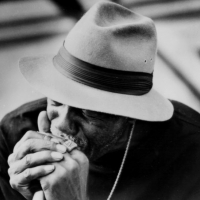
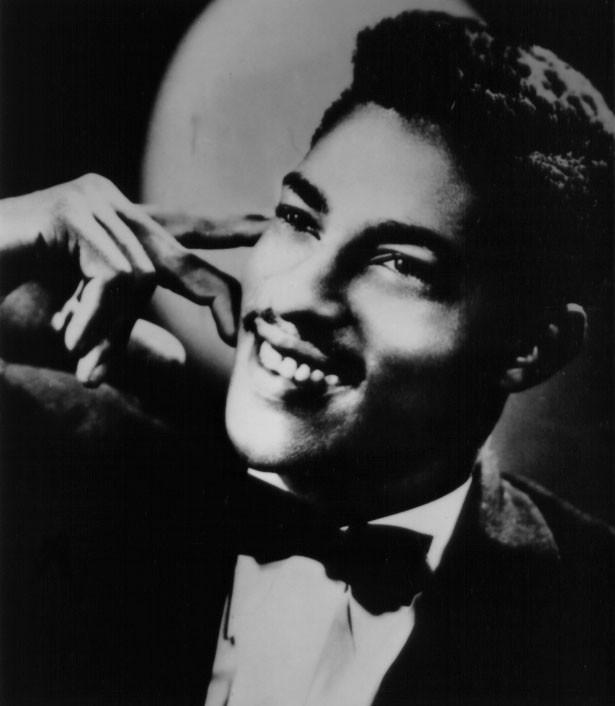
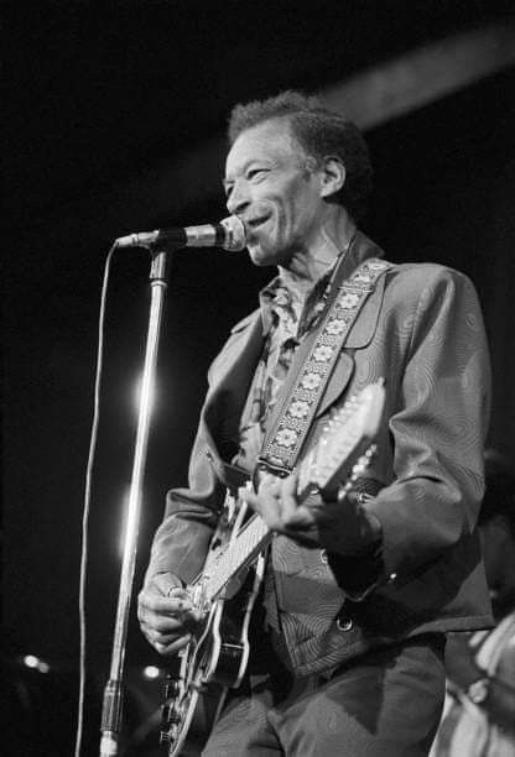
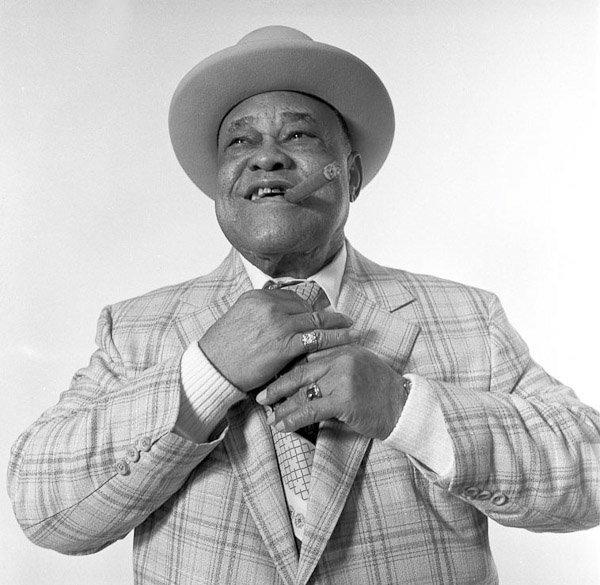
Harmonica Slim’s Spotify BioOver the history of the blues, there's been at least three different people plying their wares as Harmonica Slim, with one of them being far better known as Slim Harpo. But this Harmonica Slim was born Travis L. Blaylock down in Texas. He picked up the instrument around the age of 12 and was soon working as part of the Sunny South Gospel Singers gospel group, broadcasting over radio station KCMC in his hometown of Texarkana from the mid-'40s on. By 1949, he moved to Los Angeles, ingratiating himself into the burgeoning blues community, working package shows with Lowell Fulson and the like. He first recorded as a sideman on a group of dates in the mid-'50s for West Coast labels like Aladdin, Spry, and Vita. After spending most of the '60s working dates with Percy Mayfield, Harmonica Fats, B.B. King, T-Bone Walker and others, Slim finally got to record a full album under his own name for the Bluestime label in 1969. ~ Cub Koda, Rovi
Viberate is a music analytics platform built for A&Rs, artist managers, labels, booking agents, marketers, and artists.
It helps music professionals track artist growth, analyze audience data, monitor playlist activity, compare artists, follow song performance, and identify opportunities across the music market.
Public artist pages provide a free preview of selected artist data. Paid plans provide access to deeper analytics, historical data, charts, comparisons, playlist tools, exports, alerts, reports, and additional professional features.
Yes. Public Viberate artist pages provide selected artist analytics and music data for free.
Viberate also offers a 7-day free trial of the full platform. A credit card is required to start the trial. The trial includes access to the complete product so users can test deeper artist analytics, historical views, playlist insights, comparisons, charts, exports, alerts, and reporting features before choosing a paid plan.
Viberate provides artist analytics across streaming, playlists, social media, video, radio airplay, songs, and audience markets.
Users can analyze Spotify performance, Spotify and Apple Music playlists, YouTube activity, TikTok and Instagram growth, radio spins, song performance, audience locations, demographics, rankings, and overall artist momentum.
Artist profiles also connect to music charts, similar artists, and comparison tools, helping users benchmark performance and evaluate artists in context.
Viberate updates key artist and track data daily.
For followed artists and tracks, selected data is refreshed multiple times per day. This helps teams monitor playlist changes, streaming movement, audience growth, releases, and campaign performance with more current data.
Update frequency can vary depending on the metric and data source.
Yes. Viberate lets users compare up to five artists side by side across streaming, social media, audience, and engagement metrics.
Users can compare fanbase growth, audience demographics, locations, Spotify performance, social metrics, and other artist data over selected time periods.
Artist comparison can be used for A&R scouting, benchmarking, booking decisions, campaign planning, and evaluating artists with similar audiences or market positions.