Hardline

Rock
Hard Rock
Pop Rock
 Viberate Rank: 83262
 Viberate Rank: 83262
 Monthly ListenersFollowers
 Subscribers
 Followers
 Followers
 FansTop Spotify Songs
| Track | 7-Day Streams | |
|---|---|---|
1 | 25.43K | |
2 | 12.01K | |
3 | 11.59K | |
4 | 9.16K | |
5 | 8.05K |
Top YouTube VideosMonthly ListenersFeatured in Playlists| Playlist | Followers | |
|---|---|---|
1 |  Peacemaker Official Playlist James Gunn | 220.24K |
2 |  80’s Hair Metal & Rock halun1 | 40.35K |
3 |  Rock Ballads Saygın Sarıoğlu | 35.31K |
4 |  Peacemaker Season 2 Soundtrack 2025 Sebastián Galaviz | 30.62K |
5 |  Best of 80's Hard Rock Felix Commerell | 10.08K |
Audience| City | Monthly Listeners | |
|---|---|---|
1 |  | 1.75K |
2 |  | 1.60K |
3 | | 1.30K |
4 |  | 1.16K |
5 | | 1.08K |
See full performance history, audience data, playlist activity, rankings, comparisons, and more in Viberate music analytics. Start with a free trial, then continue with a paid plan.
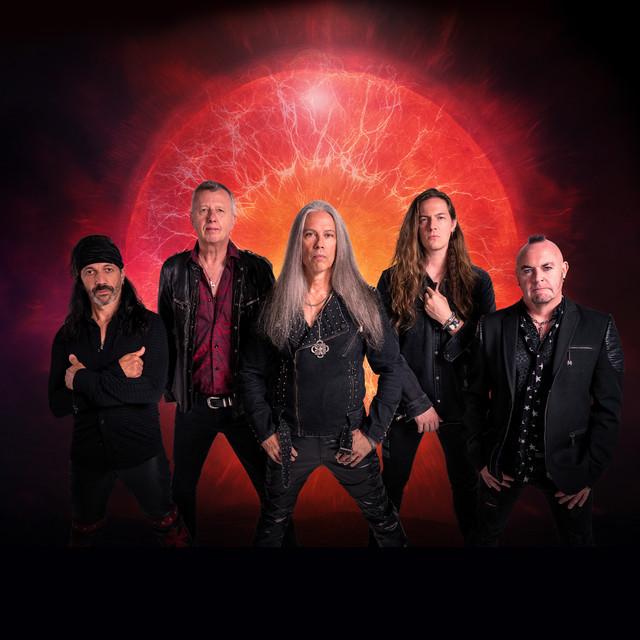
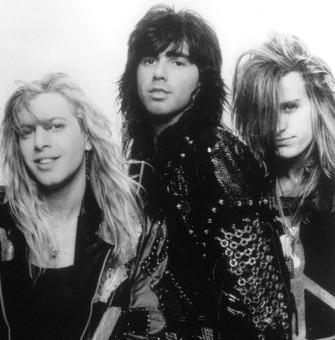
Hardline’s Spotify BioHardline was formed when brothers Johnny and Joey Gioeli, originally from the band Brunette teamed up with Journey guitarist Neal Schon. They immediately added established musicians Todd Jensen (David Lee Roth, Alice Cooper) on bass and Deen Castronovo (Bad English) on drums to the mix and the result was HARDLINE. They went on to record their critically acclaimed debut album “Double Eclipse” on MCA Records in 1992, and supported the album touring with heavy hitters such as Van Halen, Mr. Big and more.
The first single from Double Eclipse “Taking me Down“ charted high on the Billboard charts, had MTV video support and worldwide radio support. The next single catapulted the group to a massive worldwide fan base and charting album sales with the release of their hit song “Hot Cherie.” This song remained on the Billboard chart’s Top 20 for 14+ weeks. Hailed by critics and fans alike as a top returning act in 2000, the band returned to the stage headlining various shows, and supporting… festivals throughout Europe. 2017 marked the 25th anniversary of Double Eclipse and Hardline continues to support the great songs of that era. Hardline’s current lineup is Johnny Gioeli (lead vocals), Alessandro Del Vecchio (keyboard, backing vocals), Mario Percudani (guitars, backing vocals), Anna Portalupi (bass), Marco Di Salvia (drums)
In April 2019, Hardline released its 7th album called “LIFE” and are currently supporting the LIFE album on tour for 2019/2020. The legacy continues…
Viberate is a music analytics platform built for A&Rs, artist managers, labels, booking agents, marketers, and artists.
It helps music professionals track artist growth, analyze audience data, monitor playlist activity, compare artists, follow song performance, and identify opportunities across the music market.
Public artist pages provide a free preview of selected artist data. Paid plans provide access to deeper analytics, historical data, charts, comparisons, playlist tools, exports, alerts, reports, and additional professional features.
Yes. Public Viberate artist pages provide selected artist analytics and music data for free.
Viberate also offers a 7-day free trial of the full platform. A credit card is required to start the trial. The trial includes access to the complete product so users can test deeper artist analytics, historical views, playlist insights, comparisons, charts, exports, alerts, and reporting features before choosing a paid plan.
Viberate provides artist analytics across streaming, playlists, social media, video, radio airplay, songs, and audience markets.
Users can analyze Spotify performance, Spotify and Apple Music playlists, YouTube activity, TikTok and Instagram growth, radio spins, song performance, audience locations, demographics, rankings, and overall artist momentum.
Artist profiles also connect to music charts, similar artists, and comparison tools, helping users benchmark performance and evaluate artists in context.
Viberate updates key artist and track data daily.
For followed artists and tracks, selected data is refreshed multiple times per day. This helps teams monitor playlist changes, streaming movement, audience growth, releases, and campaign performance with more current data.
Update frequency can vary depending on the metric and data source.
Yes. Viberate lets users compare up to five artists side by side across streaming, social media, audience, and engagement metrics.
Users can compare fanbase growth, audience demographics, locations, Spotify performance, social metrics, and other artist data over selected time periods.
Artist comparison can be used for A&R scouting, benchmarking, booking decisions, campaign planning, and evaluating artists with similar audiences or market positions.