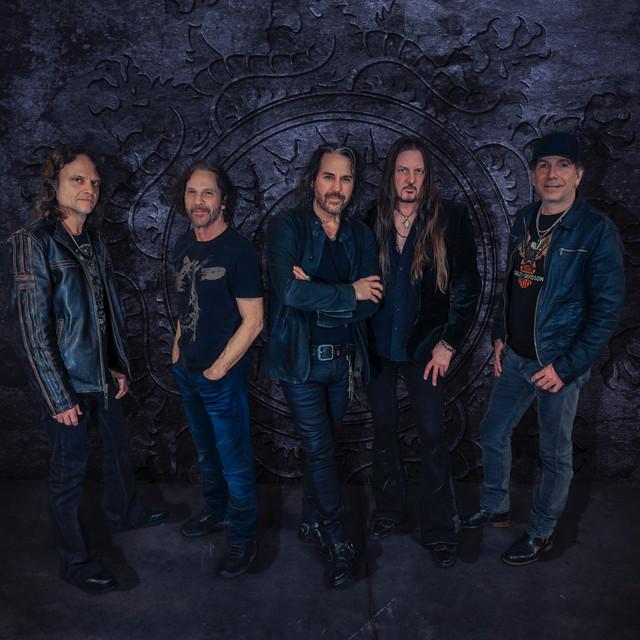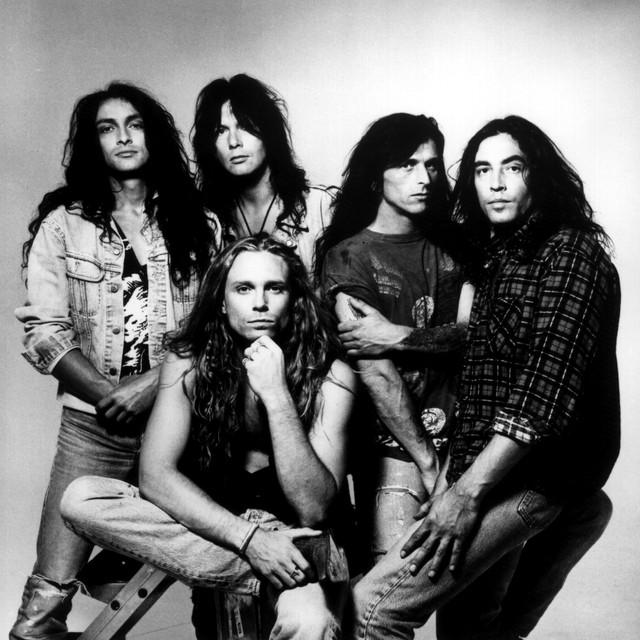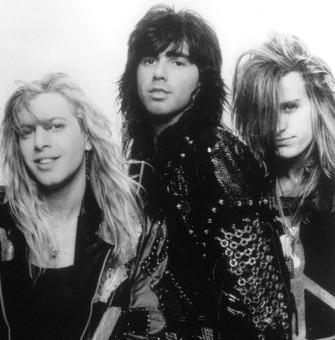
Danger Danger

Rock
Hard Rock
Glam Metal
 Viberate Rank: 49902
 Viberate Rank: 49902
 Monthly ListenersFollowers
 Subscribers
 Followers
 Followers
 FansTop Spotify Songs
| Track | 7-Day Streams | |
|---|---|---|
1 | 22.91K | |
2 | 22.75K | |
3 | 19.16K | |
4 | 18.96K | |
5 | 14.44K |
Top YouTube VideosMonthly ListenersFeatured in Playlists| Playlist | Followers | |
|---|---|---|
1 |  Rock Power Ballads Spotify | 1.25M |
2 |  80s Rock Drive Spotify | 541.16K |
3 |  The Best Of 80's Keegan - Old Times Playlists | 120.34K |
4 |  80's Hair Bands Greatest Hits Bob Sheridan | 64.07K |
5 | Glam Rock Hits of the 8O's Mats Mazze Wallin | 62.24K |
Audience| City | Monthly Listeners | |
|---|---|---|
1 |  | 3.97K |
2 |  | 3.16K |
3 |  | 2.84K |
4 |  | 2.66K |
5 | | 2.24K |
See full performance history, audience data, playlist activity, rankings, comparisons, and more in Viberate music analytics. Start with a free trial, then continue with a paid plan.
Danger Danger’s Spotify BioFormed in 1987 in Queens, New York by founding members Bruno Ravel (bass) and Steve West (drums), and rounded out by Ted Poley (vocals) Andy Timmons (guitar) and Kasey Smith (keyboards), Danger Danger released their self-titled Imagine/Epic/Sony debut in 1989. While touring with KISS, Alice Cooper, Warrant and Extreme, the band smashed out two hit singles at both radio and MTV - the now classic "Naughty Naughty" and the highly infectious "Bang Bang." In 1991, the band released "Screw It!" which produced two more hits - "Monkey Business" and "I Still Think About You." In 1993 they recorded their third disc for Sony, "Cockroach." Upon completion, the band parted ways with lead singer Ted Poley. Former Elektra recording artist Paul Laine joined the group and re-recorded the lead vocals but Sony ultimately shelved the record due to a lawsuit brought by Poley. In 1995, Ravel & West formed Low Dice Records, subsequently releasing five albums with Laine - "Dawn," "Four The Hard Way," "The… Return Of The Great Gildersleeves," "Live And Nude" and eventually "Cockroach," featuring both the Laine and Poley versions.
In 2002, "Naughty Naughty Christmas" is featured in the #1 movie in America – Disney’s "Santa Clause 2" and VH1 names the group one of the "Top 40 Hairbands Of All Time" at #25. In 2004, Ted Poley returned to the band and in 2009 they release the critically acclaimed "Revolve." The band continues to tour, headlining festivals and their own shows throughout the world.
Viberate is a music analytics platform built for A&Rs, artist managers, labels, booking agents, marketers, and artists.
It helps music professionals track artist growth, analyze audience data, monitor playlist activity, compare artists, follow song performance, and identify opportunities across the music market.
Public artist pages provide a free preview of selected artist data. Paid plans provide access to deeper analytics, historical data, charts, comparisons, playlist tools, exports, alerts, reports, and additional professional features.
Yes. Public Viberate artist pages provide selected artist analytics and music data for free.
Viberate also offers a 7-day free trial of the full platform. A credit card is required to start the trial. The trial includes access to the complete product so users can test deeper artist analytics, historical views, playlist insights, comparisons, charts, exports, alerts, and reporting features before choosing a paid plan.
Viberate provides artist analytics across streaming, playlists, social media, video, radio airplay, songs, and audience markets.
Users can analyze Spotify performance, Spotify and Apple Music playlists, YouTube activity, TikTok and Instagram growth, radio spins, song performance, audience locations, demographics, rankings, and overall artist momentum.
Artist profiles also connect to music charts, similar artists, and comparison tools, helping users benchmark performance and evaluate artists in context.
Viberate updates key artist and track data daily.
For followed artists and tracks, selected data is refreshed multiple times per day. This helps teams monitor playlist changes, streaming movement, audience growth, releases, and campaign performance with more current data.
Update frequency can vary depending on the metric and data source.
Yes. Viberate lets users compare up to five artists side by side across streaming, social media, audience, and engagement metrics.
Users can compare fanbase growth, audience demographics, locations, Spotify performance, social metrics, and other artist data over selected time periods.
Artist comparison can be used for A&R scouting, benchmarking, booking decisions, campaign planning, and evaluating artists with similar audiences or market positions.