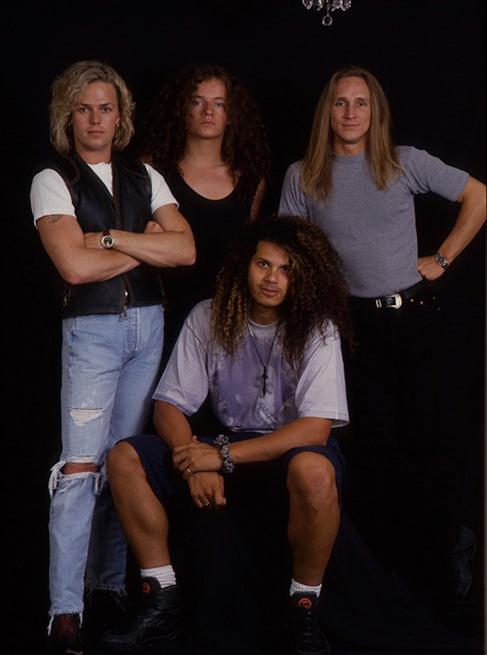
Treat

Metal
Heavy Metal
Pop Rock
 Viberate Rank: 126365
 Viberate Rank: 126365
 Monthly ListenersFollowers
 Subscribers
 Followers
 Followers
 FansTop Spotify Songs
| Track | 7-Day Streams | |
|---|---|---|
1 | 5.86K | |
2 | 2.72K | |
3 | 2.67K | |
4 | 2.13K | |
5 | 1.50K |
Top YouTube Videos| Video | 7-Day Views | |
|---|---|---|
1 | 7 |
Monthly ListenersFeatured in Playlists| Playlist | Followers | |
|---|---|---|
1 |  Training Montage Spotify | 80.25K |
2 |  80’s Hair Metal & Rock halun1 | 40.35K |
3 |  Chill Study Beats Phil | 27.38K |
4 | Rockers workout Chris Dial | 21.55K |
5 |  Chillout Top Tracks Playlistic | 16.01K |
Audience| City | Monthly Listeners | |
|---|---|---|
1 | | 2.24K |
2 | | 1.65K |
3 | | 858 |
4 |  | 634 |
5 |  | 512 |
See full performance history, audience data, playlist activity, rankings, comparisons, and more in Viberate music analytics. Start with a free trial, then continue with a paid plan.
Treat’s Spotify BioTreat is a melodic hard rock/glam metal outfit from Stockholm, Sweden who hit it big both at home and overseas in the 1980s with the singles "Get You on the Run," "World of Promises," "Party All Over," and "Ready for the Taking." Formed in 1981 under the moniker "the Boys", the band officially began operating under the name Treat in 1983 after inking a deal with Mercury Records. Citing influences like Kiss, Whitesnake, Van Halen, and Journey, the band joined the ranks of the current crop of pop-metal superstars with their debut album Scratch and Bite, but their 1985 sophomore outing, Pleasure Principle, suffered in the wake of Europe's huge international hit The Final Countdown. 1987's Dreamhunter fared better, spawning the single "World of Promises" -- the song was covered by fellow Swedes In Flames on their 2000 LP Clayman -- and secured the band a slot on the 1988 Monsters of Rock Tour. 1989's disappointing Organized Crime saw the group undergoing a bevy of lineup changes, and by… 1992, after the release of their eponymous fifth album amid the grunge-induced diminishing of the once-fertile hard rock scene, Treat had officially ceased operations. A 2005 compilation called Weapons of Choice sold well enough to justify a reunion, and in 2010 the band issued their long-awaited comeback album, Coup de Grace. Treat's seventh studio album, the Frontiers-issued Ghost of Graceland, followed in early 2016. ~ James Christopher Monger, Rovi
Viberate is a music analytics platform built for A&Rs, artist managers, labels, booking agents, marketers, and artists.
It helps music professionals track artist growth, analyze audience data, monitor playlist activity, compare artists, follow song performance, and identify opportunities across the music market.
Public artist pages provide a free preview of selected artist data. Paid plans provide access to deeper analytics, historical data, charts, comparisons, playlist tools, exports, alerts, reports, and additional professional features.
Yes. Public Viberate artist pages provide selected artist analytics and music data for free.
Viberate also offers a 7-day free trial of the full platform. A credit card is required to start the trial. The trial includes access to the complete product so users can test deeper artist analytics, historical views, playlist insights, comparisons, charts, exports, alerts, and reporting features before choosing a paid plan.
Viberate provides artist analytics across streaming, playlists, social media, video, radio airplay, songs, and audience markets.
Users can analyze Spotify performance, Spotify and Apple Music playlists, YouTube activity, TikTok and Instagram growth, radio spins, song performance, audience locations, demographics, rankings, and overall artist momentum.
Artist profiles also connect to music charts, similar artists, and comparison tools, helping users benchmark performance and evaluate artists in context.
Viberate updates key artist and track data daily.
For followed artists and tracks, selected data is refreshed multiple times per day. This helps teams monitor playlist changes, streaming movement, audience growth, releases, and campaign performance with more current data.
Update frequency can vary depending on the metric and data source.
Yes. Viberate lets users compare up to five artists side by side across streaming, social media, audience, and engagement metrics.
Users can compare fanbase growth, audience demographics, locations, Spotify performance, social metrics, and other artist data over selected time periods.
Artist comparison can be used for A&R scouting, benchmarking, booking decisions, campaign planning, and evaluating artists with similar audiences or market positions.