Crazy Lixx

Rock
Hard Rock
Glam Metal
 Viberate Rank: 83563
 Viberate Rank: 83563
 Monthly ListenersFollowers
 Subscribers
 Followers
 Followers
 FansTop Spotify Songs
| Track | 7-Day Streams | |
|---|---|---|
1 | 5.97K | |
2 | 4.27K | |
3 | 4.11K | |
4 | 3.70K | |
5 | 2.56K |
Top YouTube Videos| Video | 7-Day Views | |
|---|---|---|
1 | 4.17K | |
2 | 2.81K | |
3 | 2.47K | |
4 | 1.98K | |
5 | 1.94K |
Monthly ListenersFeatured in Playlists| Playlist | Followers | |
|---|---|---|
1 | Hair Metal: Best Hits! nchammas8 | 26.22K |
2 | Hard Rock Training/Workout nachpe | 26.21K |
3 | BIKER Music jonny.boj | 21.59K |
4 |  COUNTY ROCK USMC RECON | 19.04K |
5 | 🔥⚡️Rock⚡️Gym⚡️Motivational⚡️🔥 Gianni Cennamo | 13.48K |
Audience| City | Monthly Listeners | |
|---|---|---|
1 |  | 854 |
2 | | 737 |
3 |  | 567 |
4 | | 530 |
5 |  | 508 |
See full performance history, audience data, playlist activity, rankings, comparisons, and more in Viberate music analytics. Start with a free trial, then continue with a paid plan.
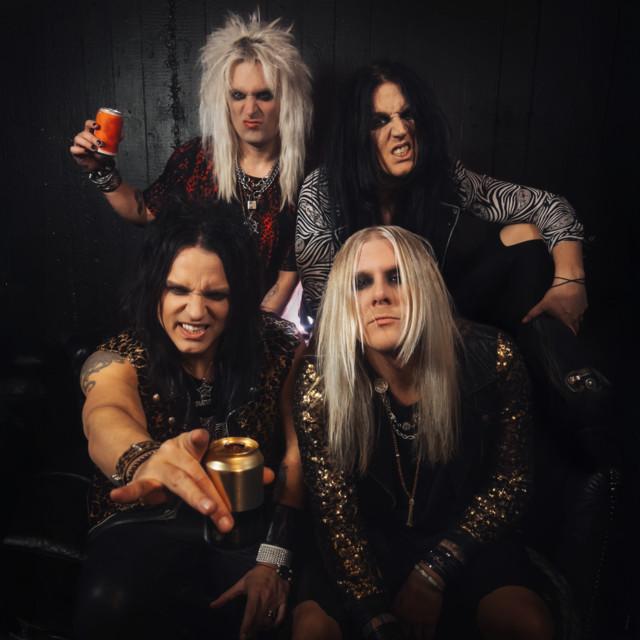
Crazy Lixx’s Spotify BioCrazy Lixx is a Swedish heavy metal / hair metal / hard rock band hailing from Malmö, Sweden formed in 2002. Known for their energetic performances, catchy hooks, and an unapologetic revival of the glam metal sound from the late 80s, Crazy Lixx has become a flagship of the New Wave of Swedish Sleaze Metal. The band draws inspiration from acts like Def Leppard, Mötley Crüe, Alice Cooper, RATT, Skid Row and Guns N’ Roses, creating a perfect blend of melodic hard rock with modern production values and a keen eye (and ear) for 80s and 90s nostalgia.
Crazy Lixx first gained global recognition with their breakthrough albums Loud Minority (2007), New Religion (2010) and Crazy Lixx (2014) including hits like "Blame It on Love," "21 'Til I Die, "Hell Raising Women” and “Girls of the 80s” who have all become favorites among the fans and classics in the modern hair metal community.
The band’s lineup has evolved over the years, but it is led by founder and frontman Danny Rexon, whose vocals,… songwriting and music production skills are the driving force behind the group. Alongside him, the band currently consists of bassist and creative sidekick Jens Anderson, guitarists Jens Lundgren and Chrisse Olsson, and the newest addition in the form of drummer Robin Nilsson.
Viberate is a music analytics platform built for A&Rs, artist managers, labels, booking agents, marketers, and artists.
It helps music professionals track artist growth, analyze audience data, monitor playlist activity, compare artists, follow song performance, and identify opportunities across the music market.
Public artist pages provide a free preview of selected artist data. Paid plans provide access to deeper analytics, historical data, charts, comparisons, playlist tools, exports, alerts, reports, and additional professional features.
Yes. Public Viberate artist pages provide selected artist analytics and music data for free.
Viberate also offers a 7-day free trial of the full platform. A credit card is required to start the trial. The trial includes access to the complete product so users can test deeper artist analytics, historical views, playlist insights, comparisons, charts, exports, alerts, and reporting features before choosing a paid plan.
Viberate provides artist analytics across streaming, playlists, social media, video, radio airplay, songs, and audience markets.
Users can analyze Spotify performance, Spotify and Apple Music playlists, YouTube activity, TikTok and Instagram growth, radio spins, song performance, audience locations, demographics, rankings, and overall artist momentum.
Artist profiles also connect to music charts, similar artists, and comparison tools, helping users benchmark performance and evaluate artists in context.
Viberate updates key artist and track data daily.
For followed artists and tracks, selected data is refreshed multiple times per day. This helps teams monitor playlist changes, streaming movement, audience growth, releases, and campaign performance with more current data.
Update frequency can vary depending on the metric and data source.
Yes. Viberate lets users compare up to five artists side by side across streaming, social media, audience, and engagement metrics.
Users can compare fanbase growth, audience demographics, locations, Spotify performance, social metrics, and other artist data over selected time periods.
Artist comparison can be used for A&R scouting, benchmarking, booking decisions, campaign planning, and evaluating artists with similar audiences or market positions.