Kaleidoscope

Rock
Psychedelic Rock
Folk Rock
 Viberate Rank: 158383
 Viberate Rank: 158383
 Monthly ListenersFollowers
 Subscribers
 Followers
 Followers
 FansTop Spotify Songs
| Track | 7-Day Streams | |
|---|---|---|
1 | 11.46K | |
2 | 1.70K | |
3 | 1.24K | |
4 | 956 | |
5 | 902 |
Top YouTube VideosMonthly ListenersFeatured in Playlists| Playlist | Followers | |
|---|---|---|
1 |  Psychedelic Rock Spotify | 1.27M |
2 | 60s-70s Psychedelic Rock jacobrowden | 50.90K |
3 |  Hippies Marco Heutink | 23.02K |
4 |  witch season 🕯🌒🧚🏻♀️🍃🔮 SK ੈ✩‧₊˚ | 20.50K |
5 | Yavuz | 17.49K |
Audience| City | Monthly Listeners | |
|---|---|---|
1 | | 165 |
2 |  | 144 |
3 |  | 111 |
4 | | 106 |
5 | | 104 |
See full performance history, audience data, playlist activity, rankings, comparisons, and more in Viberate music analytics. Start with a free trial, then continue with a paid plan.
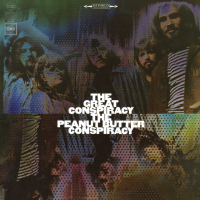
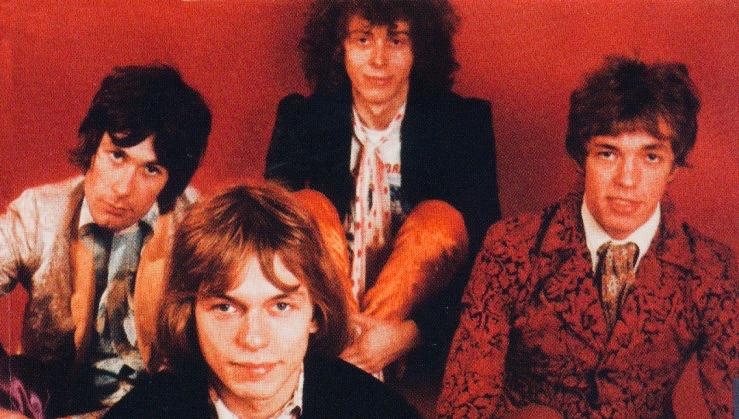
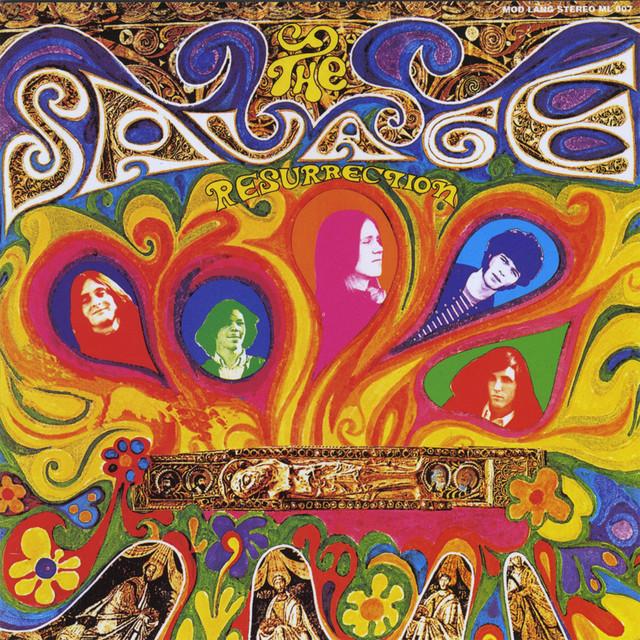
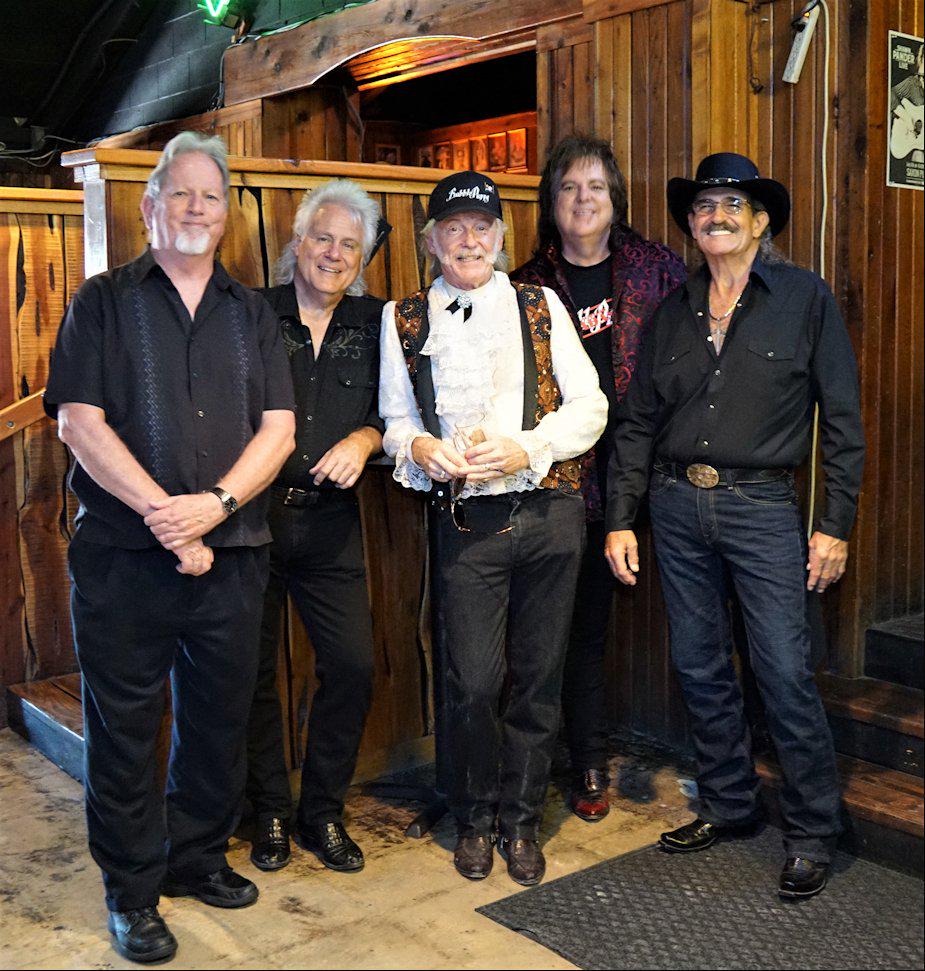
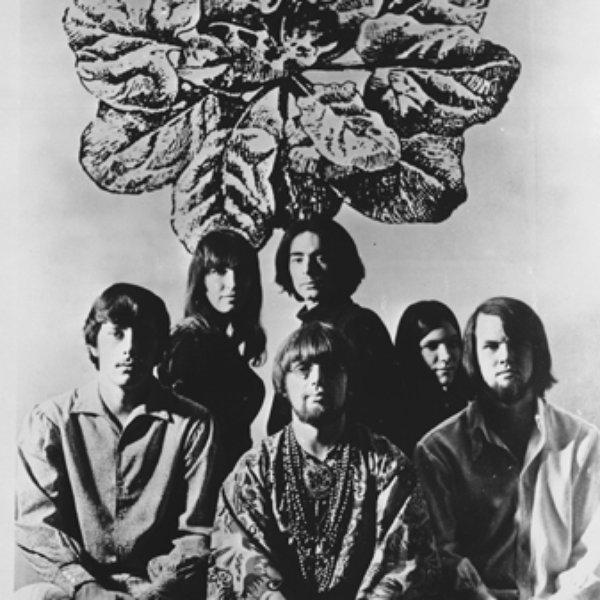
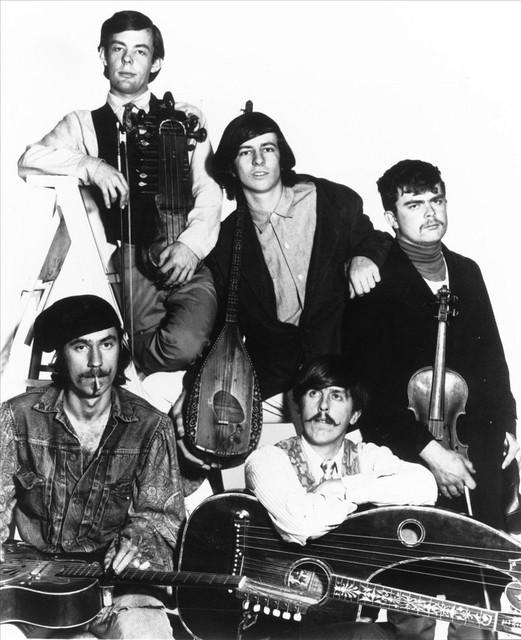
Kaleidoscope’s Spotify BioKaleidoscope were arguably the most eclectic band of the psychedelic era, weaving together folk, blues, Middle Eastern, and acid more often and more seamlessly than any other musicians. The California group were formed under the nucleus of multi-instrumentalists David Lindley and Chris Darrow in the mid-'60s. Adding fiddle, banjo, and various exotic string instruments such as the oud and saz to the traditional rock lineup, Kaleidoscope complemented their experimental sounds with taut and witty (if lyrically eccentric) songwriting. Other important members were Solomon Feldthouse, who specialized in the Turkish-style instruments, and Chester Crill, who, to make documentation just that much more difficult, sometimes used odd pseudonyms like Fenrus Epp.
With the exception of their mawkish forays into old-timey music, Kaleidoscope's work holds up well. Their first three albums were their best, highlighted by the lengthy tracks "Taxim" and "Seven-Ate Sweet," which are groundbreaking fusions… of Middle Eastern music and rock. Kaleidoscope were a popular live act, even incorporating some flamenco and belly dancers into their performances. But in commercial terms, their very eclecticism probably worked against them. Hit singles, too, were a difficult proposition for such a versatile group to come to grips with, although several of their 45s were pretty good. One of the best, "Nobody," was a most unusual fusion of R&B and psychedelia that found the group backing veteran rock and blues greats Larry Williams and Johnny "Guitar" Watson.
Kaleidoscope's eclecticism may have been a by-product of numerous personnel changes throughout the last half of the '60s that would make the construction of a family tree a most unwieldy task. Darrow, in fact, only lasted a couple of albums; in 1970, shortly after their fourth album, they split up. Several of the group's more important contributors reunited for an album in 1975 (although Lindley played only a small part), and there was another reunion record in 1988. Co-founder Chris Darrow died on January 15, 2020 following a stroke. ~ Richie Unterberger, Rovi
Viberate is a music analytics platform built for A&Rs, artist managers, labels, booking agents, marketers, and artists.
It helps music professionals track artist growth, analyze audience data, monitor playlist activity, compare artists, follow song performance, and identify opportunities across the music market.
Public artist pages provide a free preview of selected artist data. Paid plans provide access to deeper analytics, historical data, charts, comparisons, playlist tools, exports, alerts, reports, and additional professional features.
Yes. Public Viberate artist pages provide selected artist analytics and music data for free.
Viberate also offers a 7-day free trial of the full platform. A credit card is required to start the trial. The trial includes access to the complete product so users can test deeper artist analytics, historical views, playlist insights, comparisons, charts, exports, alerts, and reporting features before choosing a paid plan.
Viberate provides artist analytics across streaming, playlists, social media, video, radio airplay, songs, and audience markets.
Users can analyze Spotify performance, Spotify and Apple Music playlists, YouTube activity, TikTok and Instagram growth, radio spins, song performance, audience locations, demographics, rankings, and overall artist momentum.
Artist profiles also connect to music charts, similar artists, and comparison tools, helping users benchmark performance and evaluate artists in context.
Viberate updates key artist and track data daily.
For followed artists and tracks, selected data is refreshed multiple times per day. This helps teams monitor playlist changes, streaming movement, audience growth, releases, and campaign performance with more current data.
Update frequency can vary depending on the metric and data source.
Yes. Viberate lets users compare up to five artists side by side across streaming, social media, audience, and engagement metrics.
Users can compare fanbase growth, audience demographics, locations, Spotify performance, social metrics, and other artist data over selected time periods.
Artist comparison can be used for A&R scouting, benchmarking, booking decisions, campaign planning, and evaluating artists with similar audiences or market positions.