Sweetwater

Rock
Folk Rock
Psychedelic Rock
 Viberate Rank: 227882
 Viberate Rank: 227882
 Monthly ListenersFollowers
 Subscribers
 Followers
 Followers
 FansTop Spotify SongsTop YouTube VideosMonthly ListenersFeatured in Playlists
| Playlist | Followers | |
|---|---|---|
1 |  Woodstock Spotify | 233.85K |
2 | Ethan Maxwell | 91.94K |
3 |  Psychedelic 60s 70s Marcos Vinícius de Oliveira | 16.94K |
4 |  Woodstock 1969: Live Recordings From The Festival Tore Waskaas | 14.16K |
5 |  Brassic Official Playlist - Every Bangin' Track S1-S7 Sky | 12.49K |
Audience| City | Monthly Listeners | |
|---|---|---|
1 |  | 143 |
2 | | 114 |
3 |  | 103 |
4 |  | 99 |
5 | | 97 |
See full performance history, audience data, playlist activity, rankings, comparisons, and more in Viberate music analytics. Start with a free trial, then continue with a paid plan.
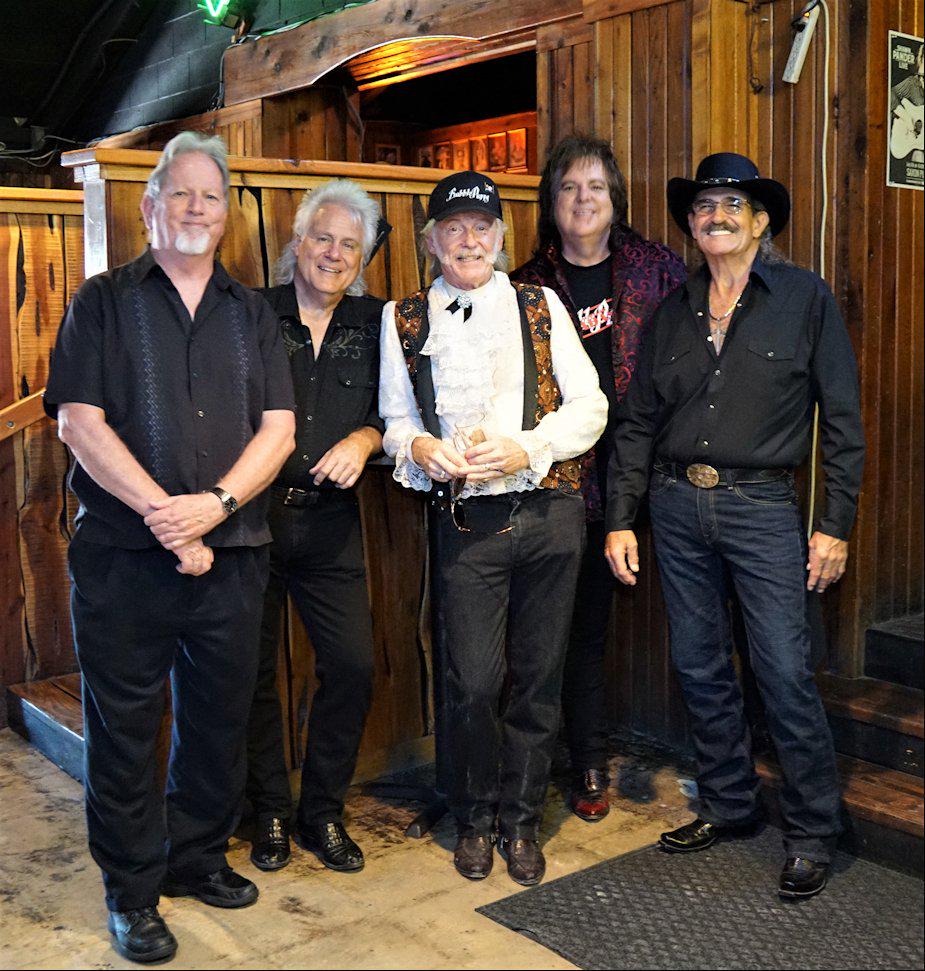
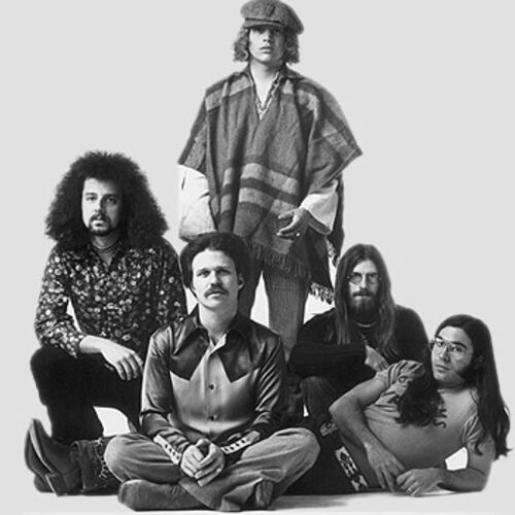
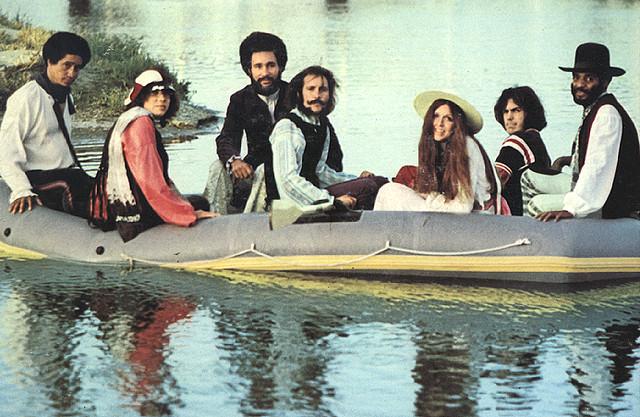
Sweetwater’s Spotify BioAn unusual rock group in both the size of their lineup (which numbered eight), the instrumentation employed, and the eclectic scope of their material, Sweetwater didn't quite get the first-class songs or breaks necessary to make them widely known. Lead singer Nansi Nevins was backed not just by conventional guitar, bass, drums, and keyboards, but also flute (Albert Moore), conga (Elpidio Cobian), and cello (August Burns). Their self-titled debut album was the kind of release that could have only been the product of the late '60s, with the music flying off in all directions, and a major label willing to put it out. Sweetwater blended Californian psychedelia with jazzy keyboards and a classical bent, especially in the flute and cello, but did not cohere into a readily identifiable aesthetic, or write exceptional songs, although they were okay. Perhaps Reprise was willing to give such a hard to market and classify band a shot, figuring that in the midst of psychedelic rock scaling the… charts that would have seemed unimaginably weird just a couple of years before, who knew what would sell now? Sweetwater was formed from a group of friends that jammed at coffeehouses in Los Angeles in the mid '60s. Harvey Gerst, who had written a Byrds song with Roger McGuinn ("It Won't Be Wrong"), was an unofficial member of sorts, sometimes acting as road manager and playing guitar. For their debut album they were produced by Dave Hassinger, who had worked, as recording engineer and producer, with the Rolling Stones, Electric Prunes, and the Grateful Dead. In the late '60s they opened for a lot of big-time acts, and played a bunch of festivals without breaking into the headliner ranks. In fact, they were the very first band to take the stage at Woodstock.
In December 1969, twenty year old Nansi Nevins was in a serious car accident in which she suffered severe brain trauma and damaged her vocal cords, putting her in a coma for weeks and necessitating physical therapy for years. Although she had recorded a couple of tracks on their second Reprise album, she was unable to rejoin the band, which had to stop touring and lost any career momentum it had developed. Producer Richard Perry tried working with them, but that didn't pan out well, although the second album was completed with other members of the band taking lead vocals. A more folk-oriented production, Melon, was their third and last album in 1971; they broke up in the summer of that year. The surviving trio of Nevins, keyboardist Alex Del Zoppo and bassist Fred Herrera reunited Sweetwater in 1997, and two years later -- to coincide with the 30th anniversary of Woodstock -- cable network VH1 produced and broadcast a film about the group, with Felicity co-star Amy Jo Johnson cast as Nansi Nevins; the picture sparked a considerable resurgence of interest in the group, and that same year Rhino released Cycles, a limited-edition retrospective of their work for Reprise. ~ Richie Unterberger, Rovi
Viberate is a music analytics platform built for A&Rs, artist managers, labels, booking agents, marketers, and artists.
It helps music professionals track artist growth, analyze audience data, monitor playlist activity, compare artists, follow song performance, and identify opportunities across the music market.
Public artist pages provide a free preview of selected artist data. Paid plans provide access to deeper analytics, historical data, charts, comparisons, playlist tools, exports, alerts, reports, and additional professional features.
Yes. Public Viberate artist pages provide selected artist analytics and music data for free.
Viberate also offers a 7-day free trial of the full platform. A credit card is required to start the trial. The trial includes access to the complete product so users can test deeper artist analytics, historical views, playlist insights, comparisons, charts, exports, alerts, and reporting features before choosing a paid plan.
Viberate provides artist analytics across streaming, playlists, social media, video, radio airplay, songs, and audience markets.
Users can analyze Spotify performance, Spotify and Apple Music playlists, YouTube activity, TikTok and Instagram growth, radio spins, song performance, audience locations, demographics, rankings, and overall artist momentum.
Artist profiles also connect to music charts, similar artists, and comparison tools, helping users benchmark performance and evaluate artists in context.
Viberate updates key artist and track data daily.
For followed artists and tracks, selected data is refreshed multiple times per day. This helps teams monitor playlist changes, streaming movement, audience growth, releases, and campaign performance with more current data.
Update frequency can vary depending on the metric and data source.
Yes. Viberate lets users compare up to five artists side by side across streaming, social media, audience, and engagement metrics.
Users can compare fanbase growth, audience demographics, locations, Spotify performance, social metrics, and other artist data over selected time periods.
Artist comparison can be used for A&R scouting, benchmarking, booking decisions, campaign planning, and evaluating artists with similar audiences or market positions.