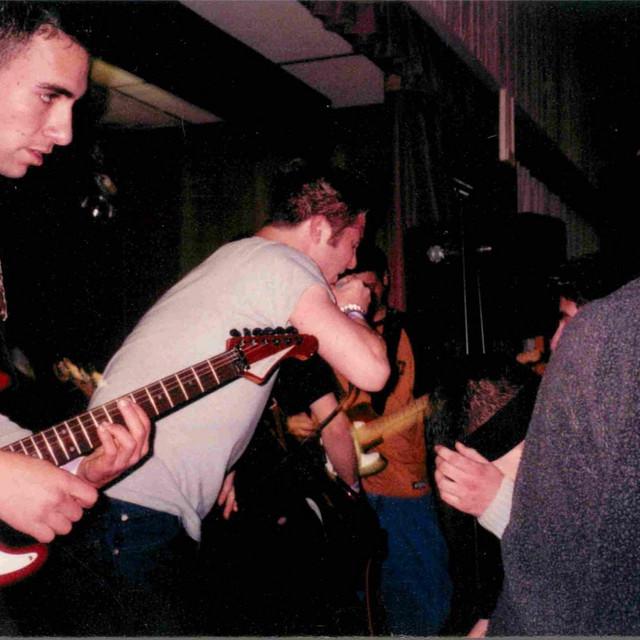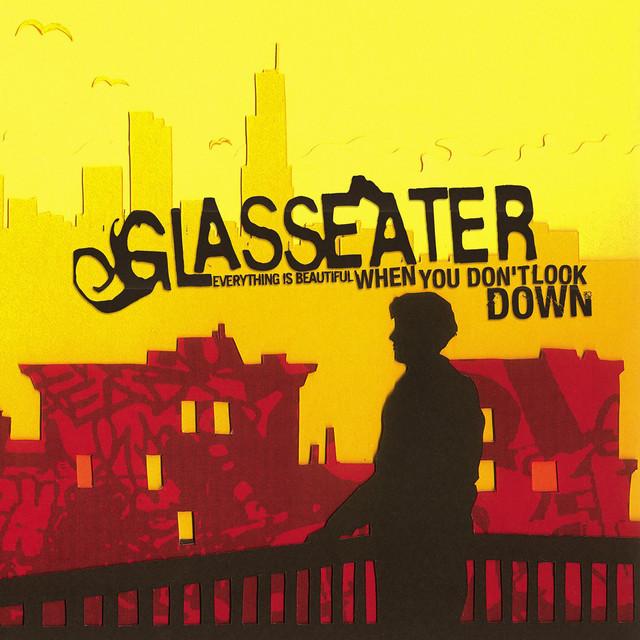
Glasseater

Punk
Hardcore Punk
Post Hardcore
 Viberate Rank: 415635
 Viberate Rank: 415635
 Monthly ListenersFollowers
 Subscribers
 Followers
 Followers
 FansTop Spotify Songs
| Track | 7-Day Streams | |
|---|---|---|
1 | 308 | |
2 | 268 | |
3 | 257 | |
4 | 150 | |
5 | 90 |
Top YouTube VideosMonthly ListenersFeatured in Playlists| Playlist | Followers | |
|---|---|---|
1 |  Punk Goes Everything Nick Jones | 14.44K |
2 |  PUNK ROCK sebastien.gautier | 8.46K |
3 |  Almost Acoustic 8092962 | 4.74K |
4 |  acoustic pop-punk and emo playlist Cecelia | 2.83K |
5 |  real emo ^_−☆ T00FS | 1.94K |
Audience| City | Monthly Listeners | |
|---|---|---|
1 | | 48 |
2 | | 39 |
3 |  | 38 |
4 | | 35 |
5 | | 35 |
See full performance history, audience data, playlist activity, rankings, comparisons, and more in Viberate music analytics. Start with a free trial, then continue with a paid plan.
Glasseater’s Spotify BioInfluenced by crude rock & roll rhythms and fierce picks of pop-punk, Glasseater displays their own vision of dynamic and raw punk style. Assembling in 1998, in Miami, FL, the band first relied on the efforts of a duo, J.C. (guitar) and Julio C. Marin (drums). After rehearsing for several times and writing several songs, the two-team was joined by Ariel Arro (guitar) and by Willy (bass), shortly before the addition of Jason Calleiro (vocals). Before entering their first tour, Willy decided to part ways with the band, being substituted by Anthony Lopez. The band's energizing and raging live performances caught the attention of the Ides of March Records label, which ultimately decided to sign them on. In 1999, Glasseater recorded their debut full-length album, Miles Ahead of Where We Left Off, before entering yet another tireless live tour. It was then that the crew moved to Eulogy Recordings, prior to releasing their second album, 7 Years Bad Luck. Playing on the same stage as bands… like Black Flag, 311, Dashboard Confessional, or Pennywise, the Florida team decided to choose yet another label, Fearless Records, before entering the studio to record their third full-length. ~ Mario Mesquita Borges, Rovi
Viberate is a music analytics platform built for A&Rs, artist managers, labels, booking agents, marketers, and artists.
It helps music professionals track artist growth, analyze audience data, monitor playlist activity, compare artists, follow song performance, and identify opportunities across the music market.
Public artist pages provide a free preview of selected artist data. Paid plans provide access to deeper analytics, historical data, charts, comparisons, playlist tools, exports, alerts, reports, and additional professional features.
Yes. Public Viberate artist pages provide selected artist analytics and music data for free.
Viberate also offers a 7-day free trial of the full platform. A credit card is required to start the trial. The trial includes access to the complete product so users can test deeper artist analytics, historical views, playlist insights, comparisons, charts, exports, alerts, and reporting features before choosing a paid plan.
Viberate provides artist analytics across streaming, playlists, social media, video, radio airplay, songs, and audience markets.
Users can analyze Spotify performance, Spotify and Apple Music playlists, YouTube activity, TikTok and Instagram growth, radio spins, song performance, audience locations, demographics, rankings, and overall artist momentum.
Artist profiles also connect to music charts, similar artists, and comparison tools, helping users benchmark performance and evaluate artists in context.
Viberate updates key artist and track data daily.
For followed artists and tracks, selected data is refreshed multiple times per day. This helps teams monitor playlist changes, streaming movement, audience growth, releases, and campaign performance with more current data.
Update frequency can vary depending on the metric and data source.
Yes. Viberate lets users compare up to five artists side by side across streaming, social media, audience, and engagement metrics.
Users can compare fanbase growth, audience demographics, locations, Spotify performance, social metrics, and other artist data over selected time periods.
Artist comparison can be used for A&R scouting, benchmarking, booking decisions, campaign planning, and evaluating artists with similar audiences or market positions.