The Hurt Process

Punk
Hardcore Punk
Post Hardcore
 Viberate Rank: 378236
 Viberate Rank: 378236
 Monthly ListenersFollowers
 Subscribers
 Followers
 Followers
 FansTop Spotify Songs
| Track | 7-Day Streams | |
|---|---|---|
1 | 232 | |
2 | 232 | |
3 | 214 | |
4 | 194 | |
5 | 112 |
Top YouTube VideosMonthly ListenersFeatured in Playlists| Playlist | Followers | |
|---|---|---|
1 | actual good metalcore grave | 5.61K |
2 | obscure post-hardcore/metalcore jace | 2.19K |
3 |  SCENEMO PLAYLIST☆ ac1d1cC0r3 | 2.08K |
4 |  3rd wave emo +#+ | 1.64K |
5 | Post-hardcore / 2000's era metalcore & Pop Punk lolwtfbbqbread | 1.60K |
Audience| City | Monthly Listeners | |
|---|---|---|
1 | | 47 |
2 |  | 29 |
3 | | 29 |
4 | | 28 |
5 | | 24 |
See full performance history, audience data, playlist activity, rankings, comparisons, and more in Viberate music analytics. Start with a free trial, then continue with a paid plan.
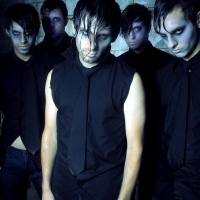
The Hurt Process’ Spotify BioFrom the moment they appeared onto the UK music scene in 2002, The Hurt Process was focused on one thing: playing live. The founding members had a love of music, both harmonious, and horrible. The aim was to blend the two.
With the core of the band being geographically diverse, there was no local scene support, no home-town gigs, no soft wins. The band took every show offer available, no matter where it was and no matter who was on the bill. From day one, The Hurt Process was forged on the road.
Within 2 years, The Hurt Process had chalked up tours with Norma Jean, Poison the Well, and Taking Back Sunday; and saw widespread critical praise on both sides of the Atlantic with their debut album, “Drive By Monologue”. They shared the stage with everyone from Sick Of It All, to Every time I Die, to Yellowcard, to Underoath.
Viberate is a music analytics platform built for A&Rs, artist managers, labels, booking agents, marketers, and artists.
It helps music professionals track artist growth, analyze audience data, monitor playlist activity, compare artists, follow song performance, and identify opportunities across the music market.
Public artist pages provide a free preview of selected artist data. Paid plans provide access to deeper analytics, historical data, charts, comparisons, playlist tools, exports, alerts, reports, and additional professional features.
Yes. Public Viberate artist pages provide selected artist analytics and music data for free.
Viberate also offers a 7-day free trial of the full platform. A credit card is required to start the trial. The trial includes access to the complete product so users can test deeper artist analytics, historical views, playlist insights, comparisons, charts, exports, alerts, and reporting features before choosing a paid plan.
Viberate provides artist analytics across streaming, playlists, social media, video, radio airplay, songs, and audience markets.
Users can analyze Spotify performance, Spotify and Apple Music playlists, YouTube activity, TikTok and Instagram growth, radio spins, song performance, audience locations, demographics, rankings, and overall artist momentum.
Artist profiles also connect to music charts, similar artists, and comparison tools, helping users benchmark performance and evaluate artists in context.
Viberate updates key artist and track data daily.
For followed artists and tracks, selected data is refreshed multiple times per day. This helps teams monitor playlist changes, streaming movement, audience growth, releases, and campaign performance with more current data.
Update frequency can vary depending on the metric and data source.
Yes. Viberate lets users compare up to five artists side by side across streaming, social media, audience, and engagement metrics.
Users can compare fanbase growth, audience demographics, locations, Spotify performance, social metrics, and other artist data over selected time periods.
Artist comparison can be used for A&R scouting, benchmarking, booking decisions, campaign planning, and evaluating artists with similar audiences or market positions.