Keepsake

Punk
Pop Punk
Punk Rock
Alternative Rock
 Viberate Rank: 429535
 Viberate Rank: 429535
 Monthly ListenersFollowers
 Subscribers
 Followers
 Followers
 FansTop Spotify Songs
| Track | 7-Day Streams | |
|---|---|---|
1 | 434 | |
2 | 99 | |
3 | 89 | |
4 | 77 | |
5 | 53 |
Top YouTube VideosMonthly ListenersFeatured in Playlists| Playlist | Followers | |
|---|---|---|
1 | Punkers go poppers Velxies | 101.72K |
2 | plastplugg | 65.72K |
3 | Pop goes punk vol 1-10 alexdrumsalot | 55.71K |
4 | Brooke Wood | 50.62K |
5 | Pop Go Punk 1-7 justchuck88 | 34.53K |
Audience| City | Monthly Listeners | |
|---|---|---|
1 | | 39 |
2 | | 35 |
3 | | 31 |
4 |  | 30 |
5 | | 29 |
See full performance history, audience data, playlist activity, rankings, comparisons, and more in Viberate music analytics. Start with a free trial, then continue with a paid plan.
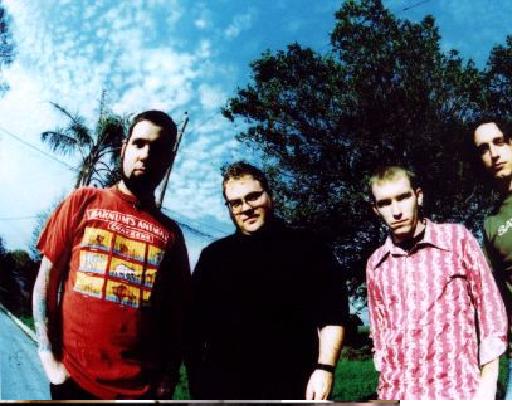
Keepsake’s Spotify BioKeepsake is an American emo/screamo band formed in 1997 by Paul Geller, Mark Silva and Duane Hosein in Coral Springs, Florida. Keepsake was one of the earliest screamo bands and the first to come out of the area.
Before their first release (The Things I Would Say 1998) Shane Halpern and Dan Mazin joined as the lead vocalist and bass player respectively. Geller and Halpern shepherded the project through two more releases for--She Hums Like a Radio (2000) and The End of Sound (2001).
After releasing three albums on Eulogy Recordings, Geller left to pursue a solo career. He released Pauly Jett’s Regression on former bandmate, Mark Silva’s label Kligman Recording Academy in 2002 and is credited as produced and engineer on three records for Undecided Records artists Shindig, Hearts Over Rome and Cru Jones. Geller became a notable electronic music producer and DJ, Pauly Crush until retiring in 2012.
In 2003 the band released their only record without Geller, Black Dress in a B Movie (Fearless… Records) and appeared on Punk Goes Pop with "The Way You Love Me".
Jesse Kriz later joined Actions Speak Louder and Until the End.
Though Geller and Silva were 15 when they released The Things I Would Say, the band is credited as a pioneer of the screamo sound popularized by bands like Thrice, Taking Back Sunday and Saves the Day. They received reviews dripping with praise over the new sound and enjoyed considerable recognition in the US and European hardcore scene.
Viberate is a music analytics platform built for A&Rs, artist managers, labels, booking agents, marketers, and artists.
It helps music professionals track artist growth, analyze audience data, monitor playlist activity, compare artists, follow song performance, and identify opportunities across the music market.
Public artist pages provide a free preview of selected artist data. Paid plans provide access to deeper analytics, historical data, charts, comparisons, playlist tools, exports, alerts, reports, and additional professional features.
Yes. Public Viberate artist pages provide selected artist analytics and music data for free.
Viberate also offers a 7-day free trial of the full platform. A credit card is required to start the trial. The trial includes access to the complete product so users can test deeper artist analytics, historical views, playlist insights, comparisons, charts, exports, alerts, and reporting features before choosing a paid plan.
Viberate provides artist analytics across streaming, playlists, social media, video, radio airplay, songs, and audience markets.
Users can analyze Spotify performance, Spotify and Apple Music playlists, YouTube activity, TikTok and Instagram growth, radio spins, song performance, audience locations, demographics, rankings, and overall artist momentum.
Artist profiles also connect to music charts, similar artists, and comparison tools, helping users benchmark performance and evaluate artists in context.
Viberate updates key artist and track data daily.
For followed artists and tracks, selected data is refreshed multiple times per day. This helps teams monitor playlist changes, streaming movement, audience growth, releases, and campaign performance with more current data.
Update frequency can vary depending on the metric and data source.
Yes. Viberate lets users compare up to five artists side by side across streaming, social media, audience, and engagement metrics.
Users can compare fanbase growth, audience demographics, locations, Spotify performance, social metrics, and other artist data over selected time periods.
Artist comparison can be used for A&R scouting, benchmarking, booking decisions, campaign planning, and evaluating artists with similar audiences or market positions.