Bleed The Dream

Punk
Pop Punk
Screamo
 Viberate Rank: 226126
 Viberate Rank: 226126
 Monthly ListenersFollowers
 Subscribers
 Followers
 Followers
 FansTop Spotify Songs
| Track | 7-Day Streams | |
|---|---|---|
1 | 1.24K | |
2 | 1.10K | |
3 | 1.10K | |
4 | 728 | |
5 | 498 |
Top YouTube VideosMonthly ListenersFeatured in Playlists| Playlist | Followers | |
|---|---|---|
1 |  Scene Kid MySpace Throwbacks Kitty Voorhees | 11.83K |
2 |  niche posthardcore!! Python? | 8.48K |
3 |  The Sound of Screamo The Sounds of Spotify | 4.56K |
4 | Emocore/Screamo/Myspace mandylane777 | 4.54K |
5 |  Hard Rock/Heavy Metal/Screamo/Alternative/Pop & Punk Rock - Best Of 🔥🎸 Eli Wehbe | 3.50K |
Audience| City | Monthly Listeners | |
|---|---|---|
1 | | 122 |
2 | | 108 |
3 | | 105 |
4 |  | 104 |
5 | | 89 |
See full performance history, audience data, playlist activity, rankings, comparisons, and more in Viberate music analytics. Start with a free trial, then continue with a paid plan.
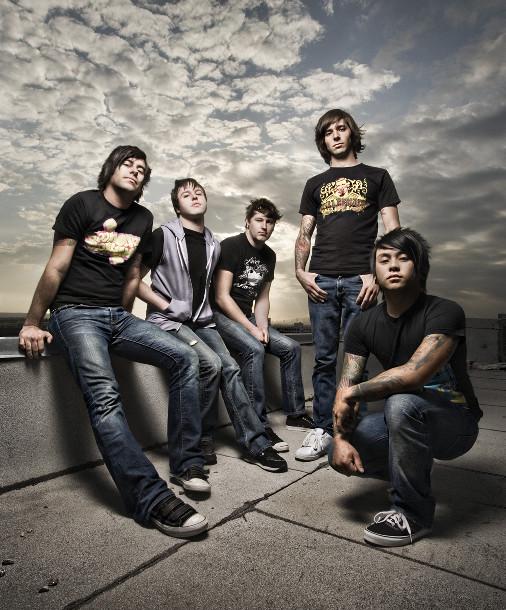
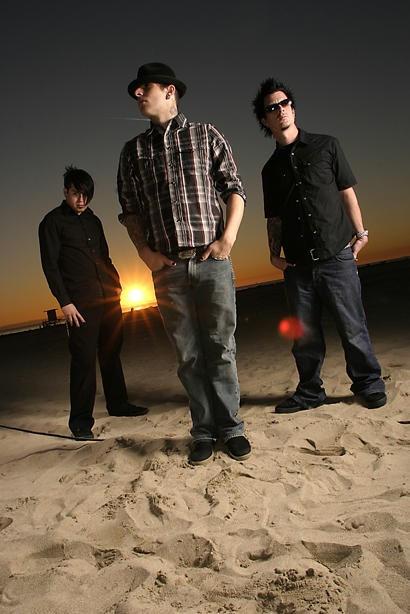
Bleed The Dream’s Spotify BioFormed in 2003, Bleed the Dream boasts a passionate screamo-rock hybrid sound. The band got together in Los Angeles, originally comprised of L.A. natives Dave Aguilera (guitar/keys) and Scott Gottlieb (drums) alongside Baltimore natives Brandon Thomas (vocals) and Keith Thompson (bass/vocals). Adhering to a D.I.Y. ethic and boasting collective influences from Bad Brains to Faith No More to Radiohead to Glassjaw, Bleed the Dream took to their van and steadily worked on building their name through their live show. Hard work and great networking snagged them spots on the 2003, 2004, and 2005 runs of the Warped Tour. The rock-oriented EP Awake was issued on Noize Pollution in 2003 and the band created its own label, Maphia Records, the next year. Through that label, Bleed the Dream issued the acoustic EP Asleep. (Asleep was later reissued with two previously unreleased tracks in July 2006, coupled with the documentary DVD No Apologies.)
After successful Warped Tour stints and a buzz… building around their EPs, the band signed with Warped mastermind Kevin Lyman's new label, Warcon Enterprises. While on the road with Matchbook Romance in spring 2004, however, Gottlieb became sick and was rushed to an area hospital, where he was diagnosed with leukemia. As he went through treatment, the other bandmembers continued on with a temporary drummer -- much of their tour proceeds went to medical bills, as Gottlieb had no health insurance -- including a spot on 2005's Taste of Chaos alongside the Used and My Chemical Romance. The group also continued work on its debut full-length, on which Gottlieb amazingly managed to play drums. Sadly, though, while waiting for a bone marrow transplant, he succumbed to the disease on April 10, 2005. The album, Built by Blood, appeared in stores the next month. With new drummer Tom Breyfogle on board, Bleed the Dream spent early 2006 on dates nationwide and overseas with bands like Hawthorne Heights, Story of the Year, and Funeral for a Friend. Citing creative differences, vocalist Thomas exited the group that May and was replaced by Mark Holmes before the summer's end. ~ Corey Apar, Rovi
Viberate is a music analytics platform built for A&Rs, artist managers, labels, booking agents, marketers, and artists.
It helps music professionals track artist growth, analyze audience data, monitor playlist activity, compare artists, follow song performance, and identify opportunities across the music market.
Public artist pages provide a free preview of selected artist data. Paid plans provide access to deeper analytics, historical data, charts, comparisons, playlist tools, exports, alerts, reports, and additional professional features.
Yes. Public Viberate artist pages provide selected artist analytics and music data for free.
Viberate also offers a 7-day free trial of the full platform. A credit card is required to start the trial. The trial includes access to the complete product so users can test deeper artist analytics, historical views, playlist insights, comparisons, charts, exports, alerts, and reporting features before choosing a paid plan.
Viberate provides artist analytics across streaming, playlists, social media, video, radio airplay, songs, and audience markets.
Users can analyze Spotify performance, Spotify and Apple Music playlists, YouTube activity, TikTok and Instagram growth, radio spins, song performance, audience locations, demographics, rankings, and overall artist momentum.
Artist profiles also connect to music charts, similar artists, and comparison tools, helping users benchmark performance and evaluate artists in context.
Viberate updates key artist and track data daily.
For followed artists and tracks, selected data is refreshed multiple times per day. This helps teams monitor playlist changes, streaming movement, audience growth, releases, and campaign performance with more current data.
Update frequency can vary depending on the metric and data source.
Yes. Viberate lets users compare up to five artists side by side across streaming, social media, audience, and engagement metrics.
Users can compare fanbase growth, audience demographics, locations, Spotify performance, social metrics, and other artist data over selected time periods.
Artist comparison can be used for A&R scouting, benchmarking, booking decisions, campaign planning, and evaluating artists with similar audiences or market positions.