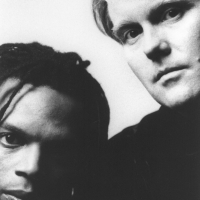
General Public

R&B
Funk
Pop Rock
 Viberate Rank: 68103
 Viberate Rank: 68103
 Monthly ListenersFollowers
 Subscribers
 Followers
 Followers
 FansTop Spotify Songs
| Track | 7-Day Streams | |
|---|---|---|
1 | 91.04K | |
2 | 10.86K | |
3 | 3.57K | |
4 | 2.83K | |
5 | 2.52K |
Top YouTube Videos| Video | 7-Day Views | |
|---|---|---|
1 | 1.26K | |
2 | 246 |
Monthly ListenersFeatured in Playlists| Playlist | Followers | |
|---|---|---|
1 |  The Bear Soundtrack Brendan Noone | 200.64K |
2 |  80s New Wave & Alternative Troy @ TavernTails | 194.34K |
3 |  80's One Hit Wonders Abraham Velazquez | 92.08K |
4 |  80's Synth-Pop/New Wave Abraham Velazquez | 71.85K |
5 | The Best of 80s New Wave mang_domeng | 63.65K |
Audience| City | Monthly Listeners | |
|---|---|---|
1 |  | 7.84K |
2 |  | 5.23K |
3 |  | 4.41K |
4 | | 4.28K |
5 | | 4.00K |
See full performance history, audience data, playlist activity, rankings, comparisons, and more in Viberate music analytics. Start with a free trial, then continue with a paid plan.
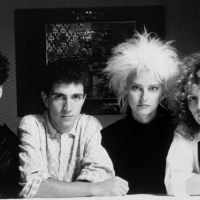
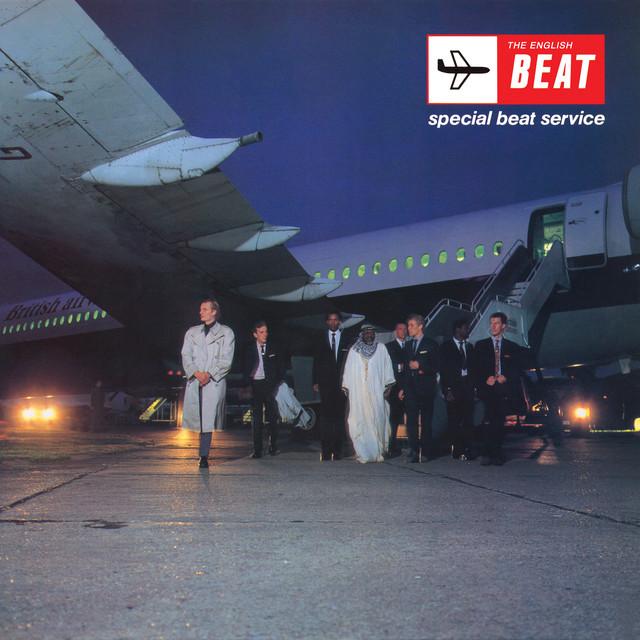
General Public’s Spotify BioConsidered by many as nothing more than an offshoot of the better-known '80s British outfit the English Beat, General Public still enjoyed several substantial hits on their own during their short career. Immediately after the split of the ska-pop outfit the English Beat in 1983, former members Dave Wakeling (vocals, born February 19, 1956) and Ranking Roger ("toaster," born February 21, 1961) formed General Public, which turned out to be more pop-based than its predecessor, with elements of classic Motown soul thrown in for good measure. Once former Dexy's Midnight Runners keyboardist Mickey Billingham, former Specials bassist Horace Panter, and a drummer known simply as Stoker were all enlisted, General Public was officially up and running. Signing on with the IRS label, General Public's debut album, 1984's All the Rage, was a commercial success back home, as it featured a guest appearance by former Clash guitarist Mick Jones and scored a Top 40 single with the track "Tenderness."… 1986 saw the release of General Public's sophomore effort, Hand to Mouth, which failed to match expectations set by its predecessor despite spawning a pair of popular singles, "Too Much or Nothing" and "Come Again."
With both Wakeling and Roger unable to agree on a musical direction, General Public split up shortly thereafter. Roger issued a solo debut in 1988, the more ska-based Radical Departure, while Wakeling contributed the title track to John Hughes' 1988 film She's Having a Baby and issued a solo album as well, 1991's General Public-esque No Warning. Roger would go on to form another outfit, Special Beat, which included musicians from the late-'70s English ska scene, but in 1994, Roger and Wakeling were asked to reunite General Public for a track on the Threesome motion picture soundtrack. A UB40-like interpretation of the Staple Singers' "I'll Take You There" was offered and became a surprise Top 40 hit. The duo remained together for a third General Public studio album, 1995's Rub It Better (produced by former Talking Heads keyboardist/guitarist Jerry Harrison), but when it sunk from sight upon release, the band split up once more. 2002 saw the release of the duo's first best-of collection, the 12-track Classic Masters. ~ Greg Prato, Rovi
Viberate is a music analytics platform built for A&Rs, artist managers, labels, booking agents, marketers, and artists.
It helps music professionals track artist growth, analyze audience data, monitor playlist activity, compare artists, follow song performance, and identify opportunities across the music market.
Public artist pages provide a free preview of selected artist data. Paid plans provide access to deeper analytics, historical data, charts, comparisons, playlist tools, exports, alerts, reports, and additional professional features.
Yes. Public Viberate artist pages provide selected artist analytics and music data for free.
Viberate also offers a 7-day free trial of the full platform. A credit card is required to start the trial. The trial includes access to the complete product so users can test deeper artist analytics, historical views, playlist insights, comparisons, charts, exports, alerts, and reporting features before choosing a paid plan.
Viberate provides artist analytics across streaming, playlists, social media, video, radio airplay, songs, and audience markets.
Users can analyze Spotify performance, Spotify and Apple Music playlists, YouTube activity, TikTok and Instagram growth, radio spins, song performance, audience locations, demographics, rankings, and overall artist momentum.
Artist profiles also connect to music charts, similar artists, and comparison tools, helping users benchmark performance and evaluate artists in context.
Viberate updates key artist and track data daily.
For followed artists and tracks, selected data is refreshed multiple times per day. This helps teams monitor playlist changes, streaming movement, audience growth, releases, and campaign performance with more current data.
Update frequency can vary depending on the metric and data source.
Yes. Viberate lets users compare up to five artists side by side across streaming, social media, audience, and engagement metrics.
Users can compare fanbase growth, audience demographics, locations, Spotify performance, social metrics, and other artist data over selected time periods.
Artist comparison can be used for A&R scouting, benchmarking, booking decisions, campaign planning, and evaluating artists with similar audiences or market positions.