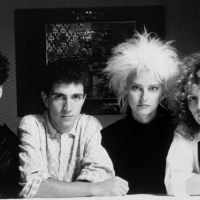
Modern English

Rock
Pop Rock
Indie Rock
 Viberate Rank: 23741
 Viberate Rank: 23741
 Monthly ListenersFollowers
 Subscribers
 Followers
 Followers
 FansTop Spotify Songs
| Track | 7-Day Streams | |
|---|---|---|
1 | 307.85K | |
2 | 76.11K | |
3 | 46.10K | |
4 | 7.17K | |
5 | 5.26K |
Top YouTube VideosMonthly ListenersFeatured in Playlists| Playlist | Followers | |
|---|---|---|
1 |  Stranger Things Official Playlist Spotify | 3.19M |
2 |  90’s Bangers chris_topher_ | 368.68K |
3 | Classic Rock Greatest Hits Scott Pruden | 341.42K |
4 |  Crushing Spotify | 281.03K |
5 |  early 2000’s rom com julciaa | 271.19K |
Audience| City | Monthly Listeners | |
|---|---|---|
1 |  | 19.32K |
2 | | 15.92K |
3 | | 14.09K |
4 |  | 14.00K |
5 |  | 9.76K |
See full performance history, audience data, playlist activity, rankings, comparisons, and more in Viberate music analytics. Start with a free trial, then continue with a paid plan.
Modern English’s Spotify BioFormed in Colchester, England, the band self-released its first single on its own Limp Records label prior to signing to 4AD, home to such like-minded acts as Bauhaus, Cocteau Twins and Dead Can Dance. Laying the foundation for future musical movements such as goth and industrial, Modern English would gain the attention of renowned BBC DJ John Peel, who featured the band twice on his program.
On 1982's After the Snow — produced by the acclaimed Hugh Jones whose credits include albums by Echo and the Bunnymen, Simple Minds, The Damned and many more — the band's sound evolved from the dark, moody and challenging post-punk found on its debut, Mesh & Lace, to a more commercial and radio-friendly mix of synthesizers, guitars, catchy drum beats and singer Robbie Grey's unmistakable vocals. As the title suggests, the icy sound featured on Mesh & Lace melted away on After the Snow to reveal more concise and potent songs, highlighted by "I Melt With You” which brought the band up from the… underground to the mainstream. "I Melt With You" is one of the most iconic songs of the New Wave era. The song has been one of the most played songs on radio with well over 8 million plays and were honored again at the 2024 BMI London Awards. The band will tour the US as special guests of Simple Minds in May and June 2025
The original members are active creating & touring new music. Go to Www.modernenglish.me for tour dates and Vinyl!
Viberate is a music analytics platform built for A&Rs, artist managers, labels, booking agents, marketers, and artists.
It helps music professionals track artist growth, analyze audience data, monitor playlist activity, compare artists, follow song performance, and identify opportunities across the music market.
Public artist pages provide a free preview of selected artist data. Paid plans provide access to deeper analytics, historical data, charts, comparisons, playlist tools, exports, alerts, reports, and additional professional features.
Yes. Public Viberate artist pages provide selected artist analytics and music data for free.
Viberate also offers a 7-day free trial of the full platform. A credit card is required to start the trial. The trial includes access to the complete product so users can test deeper artist analytics, historical views, playlist insights, comparisons, charts, exports, alerts, and reporting features before choosing a paid plan.
Viberate provides artist analytics across streaming, playlists, social media, video, radio airplay, songs, and audience markets.
Users can analyze Spotify performance, Spotify and Apple Music playlists, YouTube activity, TikTok and Instagram growth, radio spins, song performance, audience locations, demographics, rankings, and overall artist momentum.
Artist profiles also connect to music charts, similar artists, and comparison tools, helping users benchmark performance and evaluate artists in context.
Viberate updates key artist and track data daily.
For followed artists and tracks, selected data is refreshed multiple times per day. This helps teams monitor playlist changes, streaming movement, audience growth, releases, and campaign performance with more current data.
Update frequency can vary depending on the metric and data source.
Yes. Viberate lets users compare up to five artists side by side across streaming, social media, audience, and engagement metrics.
Users can compare fanbase growth, audience demographics, locations, Spotify performance, social metrics, and other artist data over selected time periods.
Artist comparison can be used for A&R scouting, benchmarking, booking decisions, campaign planning, and evaluating artists with similar audiences or market positions.