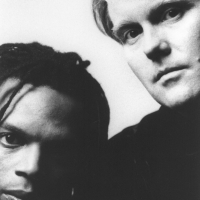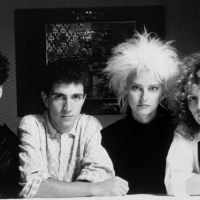
'Til Tuesday

Rock
Pop Rock
Alternative Rock
 Viberate Rank: 44403
 Viberate Rank: 44403
 Monthly ListenersFollowers
 Subscribers
 Followers
 Followers
 FansTop Spotify Songs
| Track | 7-Day Streams | |
|---|---|---|
1 | 220.23K | |
2 | 10.38K | |
3 | 7.38K | |
4 | 2.99K | |
5 | 2.85K |
Top YouTube VideosMonthly ListenersFeatured in Playlists| Playlist | Followers | |
|---|---|---|
1 |  80s HITS | TOP 100 SONGS Filtr US | 2.90M |
2 |  Alternative 80s Spotify | 2.11M |
3 |  Rock School Spotify | 901.52K |
4 |  80s Ballads Hits Filtr Sweden | 292.67K |
5 |  Oscuros 80 Spotify | 277.83K |
Audience| City | Monthly Listeners | |
|---|---|---|
1 | | 7.99K |
2 | | 7.48K |
3 |  | 6.81K |
4 | | 6.19K |
5 | | 5.55K |
See full performance history, audience data, playlist activity, rankings, comparisons, and more in Viberate music analytics. Start with a free trial, then continue with a paid plan.
'Til Tuesday’s Spotify BioRemembered for their lone hit single "Voices Carry," 'Til Tuesday gradually evolved from a new wave pop band into a vehicle for the songwriting of Aimee Mann. Emerging at the tail-end of new wave, 'Til Tuesday's commercial fortunes were helped dramatically by a stylish video for "Voices Carry," which quickly became an MTV favorite. However, the group wasn't able to follow the single with another major hit; furthermore, their albums weren't just ignored by the public, they received little media attention as well. By their third album, Everything's Different Now, the band had no chance at reaching the charts, but Mann's songs had gained a cult following, including musicians like Elvis Costello. Once the album stiffed, the stage was set for Mann to pursue a solo career.
After studying at the Berklee School of Music in Boston, Mann (vocals, bass) became involved the in the city's punk scene, singing with the Young Snakes and an early incarnation of Ministry. By 1983, she had formed 'Til… Tuesday with her boyfriend Michael Hausman (drums), Joey Pesce (keyboards), and Robert Holmes (guitar). 'Til Tuesday played around the Boston area during the next year, eventually winning a battle-of-the-bands contest at a local radio stations. Shortly after the contest, the band signed with Epic Records. By the time the group recorded its 1985 debut, Voices Carry, Mann and Hausman had separated and their failed romance provided the basis for many of the songs on their album. Voices Carry became a hit a few months after its release as the title track climbed into the Top Ten; the record peaked in the Top 20. By the time of the album's release, Mann had become involved in a well-publicized romance with songwriter Jules Shear.
'Til Tuesday quickly re-entered the studio to record their second album, Welcome Home. Released in the fall of 1986, Welcome Home failed to produce any big hits, with "What About Love" and "Coming Up Close" both charting, but the first only making it as high as number 26. Pesce left the band after the release of the album and was replaced by Michael Montes; the band also added guitarists Jon Brion and Clayton Scoble. Around the time of the release of Welcome Home, Mann's relationship with Shear dissolved, and she entered a writer's block, which was relieved by a collaboration with Elvis Costello. Costello co-wrote one song on 'Til Tuesday's third and final album, Everything's Different Now. Released in 1988, the album was largely inspired by Mann's breakup with Shear. Though it sold even worse than Welcome Home, the album received strong reviews that cited the growth of her songwriting.
'Til Tuesday broke up after Everything's Different Now. Mann became embroiled in legal problems with Epic, which meant she couldn't begin her solo career until 1993, when she released Whatever. Mann's solo debut received strong critical reviews, and she enjoyed a successful cult following throughout the '90s. ~ Stephen Thomas Erlewine, Rovi
Viberate is a music analytics platform built for A&Rs, artist managers, labels, booking agents, marketers, and artists.
It helps music professionals track artist growth, analyze audience data, monitor playlist activity, compare artists, follow song performance, and identify opportunities across the music market.
Public artist pages provide a free preview of selected artist data. Paid plans provide access to deeper analytics, historical data, charts, comparisons, playlist tools, exports, alerts, reports, and additional professional features.
Yes. Public Viberate artist pages provide selected artist analytics and music data for free.
Viberate also offers a 7-day free trial of the full platform. A credit card is required to start the trial. The trial includes access to the complete product so users can test deeper artist analytics, historical views, playlist insights, comparisons, charts, exports, alerts, and reporting features before choosing a paid plan.
Viberate provides artist analytics across streaming, playlists, social media, video, radio airplay, songs, and audience markets.
Users can analyze Spotify performance, Spotify and Apple Music playlists, YouTube activity, TikTok and Instagram growth, radio spins, song performance, audience locations, demographics, rankings, and overall artist momentum.
Artist profiles also connect to music charts, similar artists, and comparison tools, helping users benchmark performance and evaluate artists in context.
Viberate updates key artist and track data daily.
For followed artists and tracks, selected data is refreshed multiple times per day. This helps teams monitor playlist changes, streaming movement, audience growth, releases, and campaign performance with more current data.
Update frequency can vary depending on the metric and data source.
Yes. Viberate lets users compare up to five artists side by side across streaming, social media, audience, and engagement metrics.
Users can compare fanbase growth, audience demographics, locations, Spotify performance, social metrics, and other artist data over selected time periods.
Artist comparison can be used for A&R scouting, benchmarking, booking decisions, campaign planning, and evaluating artists with similar audiences or market positions.