Gary U.S. Bonds

R&B
Soul
 Viberate Rank: 102254
 Viberate Rank: 102254
 Monthly ListenersFollowers
 Subscribers
 Followers
 Followers
 FansTop Spotify Songs
| Track | 7-Day Streams | |
|---|---|---|
1 | 8.34K | |
2 | 2.84K | |
3 | 2.09K | |
4 | 1.84K | |
5 | 1.84K |
Top YouTube VideosMonthly ListenersFeatured in Playlists| Playlist | Followers | |
|---|---|---|
1 | Classic Rock Greatest Hits Scott Pruden | 341.38K |
2 | wicks Brennan McDowell | 43.73K |
3 |  Every Track Star* Song Track Star* | 36.85K |
4 |  Essential Classics Essential Classics | 31.39K |
5 | Best of 80s, 70s, 60s, 90s, 00s, 2010s Arthur Cnudde | 25.72K |
Audience| City | Monthly Listeners | |
|---|---|---|
1 |  | 1.01K |
2 |  | 997 |
3 | | 971 |
4 | | 890 |
5 |  | 857 |
See full performance history, audience data, playlist activity, rankings, comparisons, and more in Viberate music analytics. Start with a free trial, then continue with a paid plan.
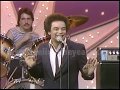
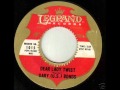
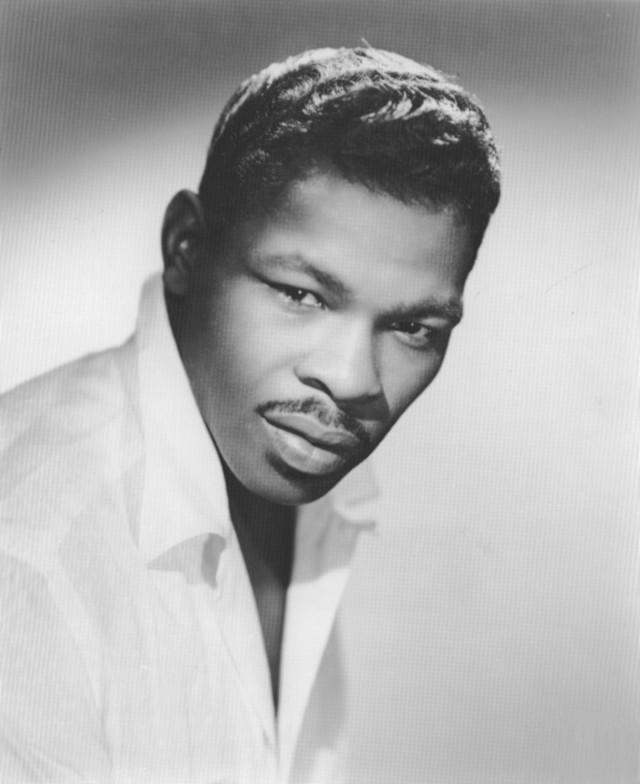
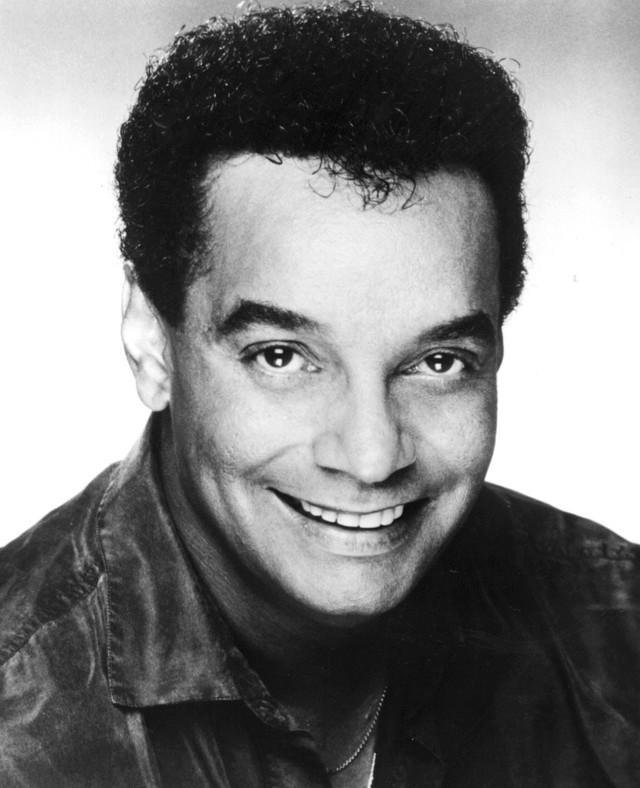
Gary U.S. Bonds’ Spotify BioAfter moving to the Norfolk, VA, area in the mid-'50s, young Gary Anderson began plying his vocal wares, first in church, later with a local group called the Turks. When he was not yet 21, he was approached by local record producer Frank Guida to join his tiny Legrand label. Guida changed Anderson's name to U.S. Bonds, hoping the first release would get extra airplay by disc jockeys mistaking it for a public-service announcement. The result was the classic "New Orleans," combining rock-combo raunch with impassioned, scorched soul-singing that set the stage for all that would follow. Guida double- and triple-tracked Bonds' voice and the resulting murky production gave all the hits (including "Quarter to Three," "School Is Out," and "Dear Lady Twist") a party-in-outer-space quality all their own. Though he kept recording, making a couple of excellent solo albums in the early '80s with the help of Bruce Springsteen, Bonds is best seen today dotting the landscape of oldies shows the world… over, singing the songs that made him famous. ~ Cub Koda, Rovi
Viberate is a music analytics platform built for A&Rs, artist managers, labels, booking agents, marketers, and artists.
It helps music professionals track artist growth, analyze audience data, monitor playlist activity, compare artists, follow song performance, and identify opportunities across the music market.
Public artist pages provide a free preview of selected artist data. Paid plans provide access to deeper analytics, historical data, charts, comparisons, playlist tools, exports, alerts, reports, and additional professional features.
Yes. Public Viberate artist pages provide selected artist analytics and music data for free.
Viberate also offers a 7-day free trial of the full platform. A credit card is required to start the trial. The trial includes access to the complete product so users can test deeper artist analytics, historical views, playlist insights, comparisons, charts, exports, alerts, and reporting features before choosing a paid plan.
Viberate provides artist analytics across streaming, playlists, social media, video, radio airplay, songs, and audience markets.
Users can analyze Spotify performance, Spotify and Apple Music playlists, YouTube activity, TikTok and Instagram growth, radio spins, song performance, audience locations, demographics, rankings, and overall artist momentum.
Artist profiles also connect to music charts, similar artists, and comparison tools, helping users benchmark performance and evaluate artists in context.
Viberate updates key artist and track data daily.
For followed artists and tracks, selected data is refreshed multiple times per day. This helps teams monitor playlist changes, streaming movement, audience growth, releases, and campaign performance with more current data.
Update frequency can vary depending on the metric and data source.
Yes. Viberate lets users compare up to five artists side by side across streaming, social media, audience, and engagement metrics.
Users can compare fanbase growth, audience demographics, locations, Spotify performance, social metrics, and other artist data over selected time periods.
Artist comparison can be used for A&R scouting, benchmarking, booking decisions, campaign planning, and evaluating artists with similar audiences or market positions.