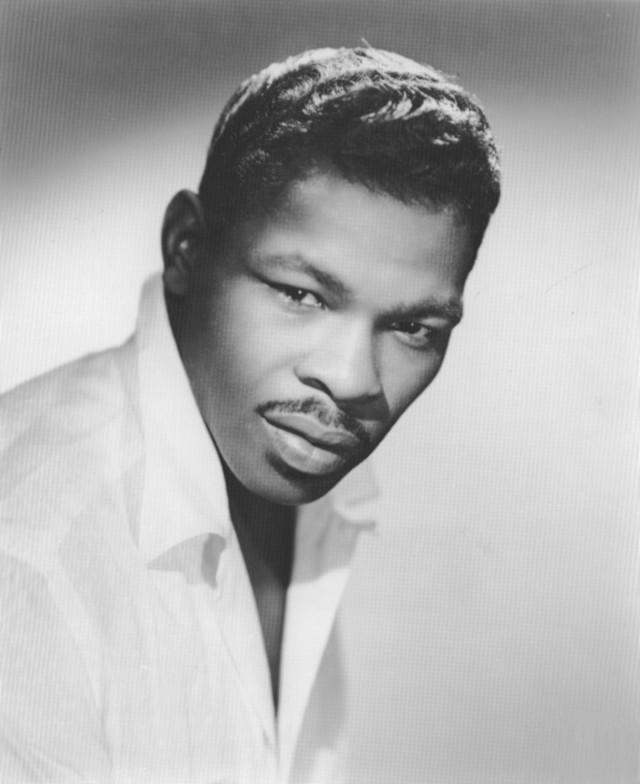
Larry Williams

Jazz
Smooth Jazz
Rockabilly
 Viberate Rank: 92403
 Viberate Rank: 92403
 Monthly ListenersFollowers
 Subscribers
 Followers
 Followers
 FansTop Spotify Songs
| Track | 7-Day Streams | |
|---|---|---|
1 | 22.30K | |
2 | 12.87K | |
3 | 10.35K | |
4 | 7.20K | |
5 | 4.84K |
Top YouTube VideosMonthly ListenersFeatured in Playlists| Playlist | Followers | |
|---|---|---|
1 |  Smooth Jazz - Instrumental Pekka Martikainen | 141.77K |
2 |  50's and 60's Rock'n'Roll classics lxwless playlists | 40.24K |
3 |  Reggae/Dub Andrès Vangheluwe | 39.33K |
4 | Boogie Woogie ! Sondre Olsen-Bye | 33.90K |
5 |  Essential Classics Essential Classics | 31.39K |
Audience| City | Monthly Listeners | |
|---|---|---|
1 |  | 1.33K |
2 |  | 1.20K |
3 | | 1.03K |
4 |  | 903 |
5 | | 860 |
See full performance history, audience data, playlist activity, rankings, comparisons, and more in Viberate music analytics. Start with a free trial, then continue with a paid plan.
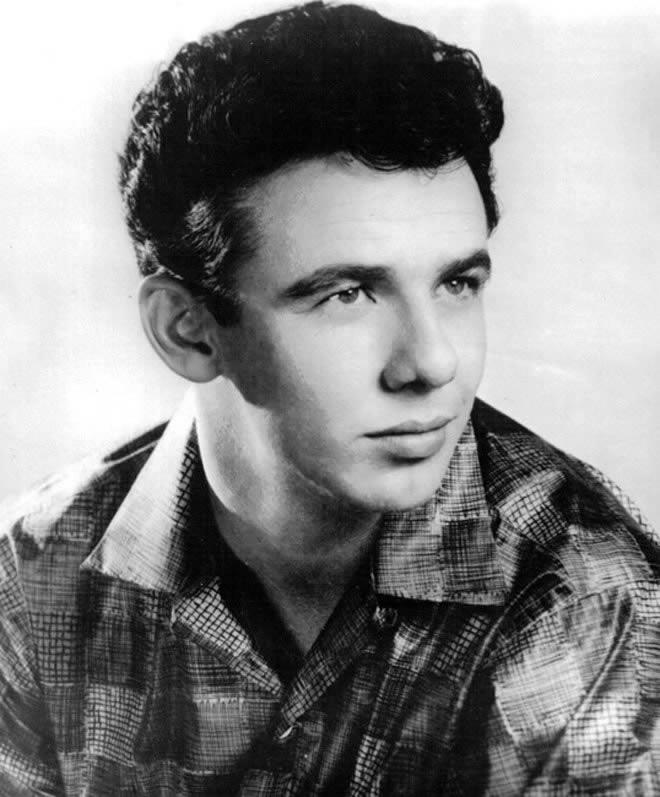
Larry Williams’ Spotify BioA rough, rowdy rock & roll singer, Larry Williams had several hits in the late '50s, several of which -- "Bony Maroney," "Dizzy, Miss Lizzy," "Short Fat Fannie," "Bad Boy," "She Said Yeah" -- became genuine rock & roll classics and were recorded by British Invasion groups; John Lennon, in particular, was a fan of Williams, recording several of his songs over the course of his career.
As a child in New Orleans, Williams learned how to play piano. When he was a teenager, he and his family moved to Oakland, CA, where he joined a local R&B group called the Lemon Drops. In 1954, when he was 19 years old, Williams went back to New Orleans for a visit. During his trip, he met Lloyd Price, who was recording for Specialty Records. Price hired the teenager as his valet and introduced him to Robert "Bumps" Blackwell, the label's house producer. Soon, the label's owner, Art Rupe, signed Williams to a solo recording contract.
Just after Specialty signed Larry Williams, Specialty lost Little Richard,… who had been their biggest star and guaranteed hitmaker. Little Richard decided to abandon rock & roll for the ministry shortly after Williams cut his first single, a cover of Price's "Just Because," with Richard's backing band; "Just Because" peaked at number 11 on the R&B charts in the spring of 1957. After Richard left the label, the label put all of its energy into making Williams a star, giving him an image makeover and a set of material -- ranging from hard R&B and rock & roll to ballads -- that was quite similar to Richard's hits.
Williams' first post-Little Richard single was the raucous "Short Fat Fannie," which shot to number one on the R&B charts and number five on the pop charts in the summer of 1957. It was followed in the fall by "Bony Maronie," which hit number four on the R&B charts and number 14 on the pop charts. Williams wasn't able to maintain that momentum, however. "You Bug Me, Baby" and "Dizzy Miss Lizzy," his next two singles, missed the R&B charts but became minor pop hits in late 1957 and early 1958. Despite the relative failure of these singles, Williams' records became popular import items in Britain; the Beatles would cover both sides of the "Dizzy Miss Lizzy" single (the B-side was "Slow Down") in the mid-'60s. However, Williams' commercial fortunes in America continued to decline, despite Specialty's release of a constant stream of singles and one full-length album.
In 1959, Williams was arrested for selling narcotics, which caused Specialty to drop him from the record label. During the '60s, he drifted through a number of labels in the early '60s, recording songs for Chess, Mercury, Island, and Decca. By the mid-'60s, he had hooked up Johnny "Guitar" Watson and the duo cut several sides for OKeh Records in the mid- and late '60s, including the Top 40 R&B hits "Mercy, Mercy, Mercy" (spring 1967) and "Nobody," which was recorded with Kaleidoscope (early 1968). Williams also became a house producer for OKeh Records in 1966, although very few of his productions became hits.
Between 1968 and and 1978, Williams was inactive, recording nothing and performing very little. In 1978, he released a funk album, That's Larry Williams, for Fantasy Records that sold poorly and received bad reviews. In 1980, Williams was found dead in his Los Angeles home; he died of a gunshot wound to his head. The medical examiners called the death a suicide, but rumors persisted for years after his death that he was murdered because of his involvement in drugs, crime and -- allegedly -- prostitution.
A compilation of Williams' biggest hits and best-known songs entitled Bad Boy was released on Specialty Records in 1989. ~ Stephen Thomas Erlewine, Rovi
Viberate is a music analytics platform built for A&Rs, artist managers, labels, booking agents, marketers, and artists.
It helps music professionals track artist growth, analyze audience data, monitor playlist activity, compare artists, follow song performance, and identify opportunities across the music market.
Public artist pages provide a free preview of selected artist data. Paid plans provide access to deeper analytics, historical data, charts, comparisons, playlist tools, exports, alerts, reports, and additional professional features.
Yes. Public Viberate artist pages provide selected artist analytics and music data for free.
Viberate also offers a 7-day free trial of the full platform. A credit card is required to start the trial. The trial includes access to the complete product so users can test deeper artist analytics, historical views, playlist insights, comparisons, charts, exports, alerts, and reporting features before choosing a paid plan.
Viberate provides artist analytics across streaming, playlists, social media, video, radio airplay, songs, and audience markets.
Users can analyze Spotify performance, Spotify and Apple Music playlists, YouTube activity, TikTok and Instagram growth, radio spins, song performance, audience locations, demographics, rankings, and overall artist momentum.
Artist profiles also connect to music charts, similar artists, and comparison tools, helping users benchmark performance and evaluate artists in context.
Viberate updates key artist and track data daily.
For followed artists and tracks, selected data is refreshed multiple times per day. This helps teams monitor playlist changes, streaming movement, audience growth, releases, and campaign performance with more current data.
Update frequency can vary depending on the metric and data source.
Yes. Viberate lets users compare up to five artists side by side across streaming, social media, audience, and engagement metrics.
Users can compare fanbase growth, audience demographics, locations, Spotify performance, social metrics, and other artist data over selected time periods.
Artist comparison can be used for A&R scouting, benchmarking, booking decisions, campaign planning, and evaluating artists with similar audiences or market positions.