Luna

Rock
Indie Rock
Indie Pop
 Viberate Rank: 65623
 Viberate Rank: 65623
 Monthly ListenersFollowers
 Subscribers
 Followers
 Followers
 FansTop Spotify Songs
| Track | 7-Day Streams | |
|---|---|---|
1 | 14.38K | |
2 | 12.44K | |
3 | 11.66K | |
4 | 11.66K | |
5 | 9.40K |
Top YouTube VideosMonthly ListenersFeatured in Playlists| Playlist | Followers | |
|---|---|---|
1 |  Classic Covers Spotify | 710.27K |
2 |  Outer Banks Official Playlist Spotify | 250.08K |
3 | Covers (that are better than the originals) JTG | 208.99K |
4 |  Twin Peaks Vibes 📺 maddie f | 36.93K |
5 |  Social Distancing Distortion Matt Berninger | 35.86K |
Audience| City | Monthly Listeners | |
|---|---|---|
1 | | 3.80K |
2 | | 3.34K |
3 | | 3.19K |
4 | | 3.17K |
5 |  | 2.61K |
See full performance history, audience data, playlist activity, rankings, comparisons, and more in Viberate music analytics. Start with a free trial, then continue with a paid plan.
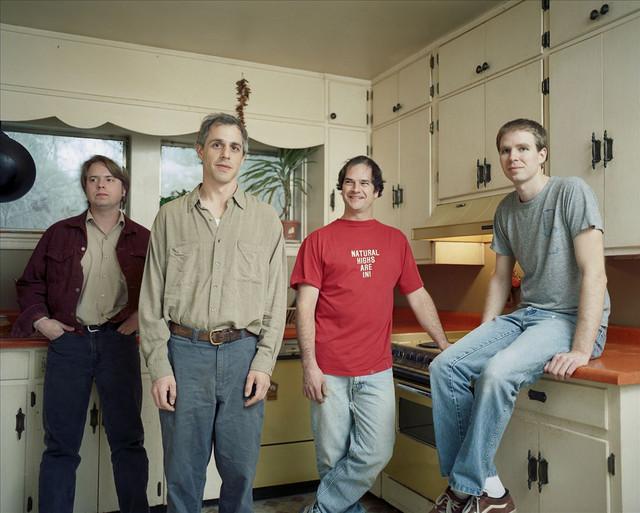
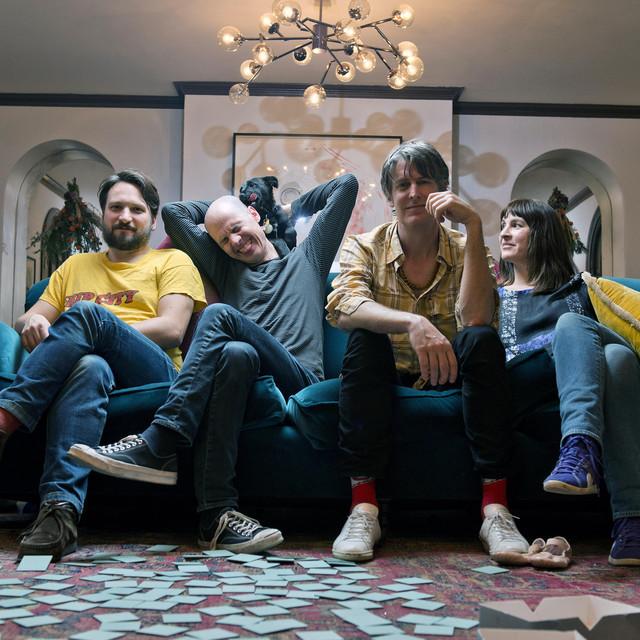
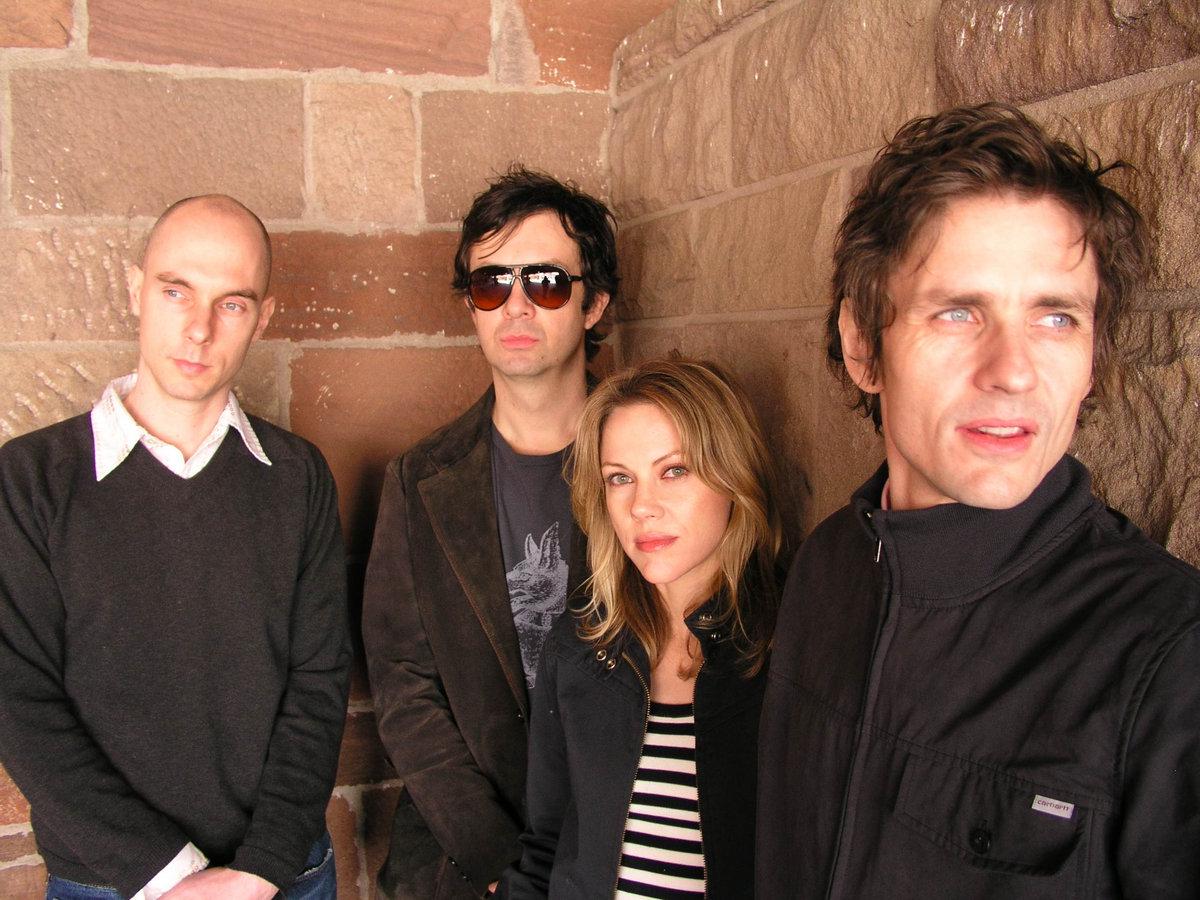
Luna’s Spotify BioLuna is a New York band formed in 1991 by singer/guitarist Dean Wareham after the breakup of Galaxie 500. Wareham recruited Justin Harwood (ex-Chills) on bass and Stanley Demeski (ex-Feelies) on drums to record Lunapark for Elektra Records. Guitarist Sean Eden soon joined and this quartet recorded Bewitched (1993) and Penthouse (1995) which Rolling Stone calls “one of the essential recordings of the ‘90s.” In 1997 Lee Wall replaced Stan Demeski on drums, and the band recorded Pup Tent and The Days of Our Nights. In 1999, Justin Harwood retired and was replaced on bass by Britta Phillips. This new lineup recorded Romantica (2002) and Rendezvous (2004).
The band made seven studio albums before disbanding in 2005. After a ten-year break, they reunited and toured in 2015, and in 2017 released a new LP — A Sentimental Education and an EP of instrumentals — A Place of Greater Safety. The band retains the same lineup that operated from 1999 to 2005: Dean Wareham on vocals/guitar, Britta… Phillips on bass, Sean Eden on guitar, and Lee Wall on drums.
At their best, it’s hard to believe there is any other kind of music besides this simple, graceful, chiming chug — the Guardian
One of indie rocks’ most beloved live acts — Rob Sheffield, Rolling Stone
Viberate is a music analytics platform built for A&Rs, artist managers, labels, booking agents, marketers, and artists.
It helps music professionals track artist growth, analyze audience data, monitor playlist activity, compare artists, follow song performance, and identify opportunities across the music market.
Public artist pages provide a free preview of selected artist data. Paid plans provide access to deeper analytics, historical data, charts, comparisons, playlist tools, exports, alerts, reports, and additional professional features.
Yes. Public Viberate artist pages provide selected artist analytics and music data for free.
Viberate also offers a 7-day free trial of the full platform. A credit card is required to start the trial. The trial includes access to the complete product so users can test deeper artist analytics, historical views, playlist insights, comparisons, charts, exports, alerts, and reporting features before choosing a paid plan.
Viberate provides artist analytics across streaming, playlists, social media, video, radio airplay, songs, and audience markets.
Users can analyze Spotify performance, Spotify and Apple Music playlists, YouTube activity, TikTok and Instagram growth, radio spins, song performance, audience locations, demographics, rankings, and overall artist momentum.
Artist profiles also connect to music charts, similar artists, and comparison tools, helping users benchmark performance and evaluate artists in context.
Viberate updates key artist and track data daily.
For followed artists and tracks, selected data is refreshed multiple times per day. This helps teams monitor playlist changes, streaming movement, audience growth, releases, and campaign performance with more current data.
Update frequency can vary depending on the metric and data source.
Yes. Viberate lets users compare up to five artists side by side across streaming, social media, audience, and engagement metrics.
Users can compare fanbase growth, audience demographics, locations, Spotify performance, social metrics, and other artist data over selected time periods.
Artist comparison can be used for A&R scouting, benchmarking, booking decisions, campaign planning, and evaluating artists with similar audiences or market positions.