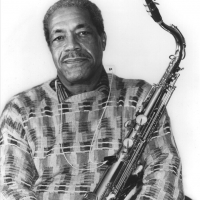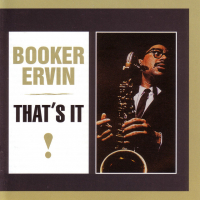
Booker Ervin

Jazz
Bebop
Smooth Jazz
 Viberate Rank: 197266
 Viberate Rank: 197266
 Monthly ListenersFollowers
 Subscribers
 Followers
 Followers
 FansTop Spotify Songs
| Track | 7-Day Streams | |
|---|---|---|
1 | 6.48K | |
2 | 6.39K | |
3 | 2.07K | |
4 | 1.81K | |
5 | 385 |
Top YouTube VideosMonthly ListenersFeatured in Playlists| Playlist | Followers | |
|---|---|---|
1 |  Saxophone Classics Spotify | 142.16K |
2 | allhim | 71.04K |
3 | Michelle Obama's Musiaqualogy Vol 1 1964-1979 by Questlove Ahmir Khalib Thompson | 25.80K |
4 | Quiet Night Jazz Tova | 25.51K |
5 |  Hard Bop Jazz Mark Noordzij | 20.45K |
Audience| City | Monthly Listeners | |
|---|---|---|
1 | | 232 |
2 | | 178 |
3 |  | 177 |
4 |  | 172 |
5 | | 153 |
See full performance history, audience data, playlist activity, rankings, comparisons, and more in Viberate music analytics. Start with a free trial, then continue with a paid plan.
Booker Ervin’s Spotify BioA very distinctive tenor with a hard, passionate tone and an emotional style that was still tied to chordal improvisation, Booker Ervin was a true original. He was originally a trombonist, but taught himself tenor while in the Air Force (1950-1953). After studying music in Boston for two years, he made his recording debut with Ernie Fields' R&B band (1956). Ervin gained fame while playing with Charles Mingus (off and on during 1956-1962), holding his own with the volatile bassist and Eric Dolphy. He also led his own quartet, worked with Randy Weston on a few occasions in the '60s, and spent much of 1964-1966 in Europe before dying much too young from kidney disease. Ervin, who is on several notable Charles Mingus records, made dates of his own for Bethlehem, Savoy, and Candid during 1960-1961, along with later sets for Pacific Jazz and Blue Note. His nine Prestige sessions of 1963-1966 (including The Freedom Book, The Song Book, The Blues Book, and The Space Book) are among the high… points of his career. ~ Scott Yanow, Rovi
Viberate is a music analytics platform built for A&Rs, artist managers, labels, booking agents, marketers, and artists.
It helps music professionals track artist growth, analyze audience data, monitor playlist activity, compare artists, follow song performance, and identify opportunities across the music market.
Public artist pages provide a free preview of selected artist data. Paid plans provide access to deeper analytics, historical data, charts, comparisons, playlist tools, exports, alerts, reports, and additional professional features.
Yes. Public Viberate artist pages provide selected artist analytics and music data for free.
Viberate also offers a 7-day free trial of the full platform. A credit card is required to start the trial. The trial includes access to the complete product so users can test deeper artist analytics, historical views, playlist insights, comparisons, charts, exports, alerts, and reporting features before choosing a paid plan.
Viberate provides artist analytics across streaming, playlists, social media, video, radio airplay, songs, and audience markets.
Users can analyze Spotify performance, Spotify and Apple Music playlists, YouTube activity, TikTok and Instagram growth, radio spins, song performance, audience locations, demographics, rankings, and overall artist momentum.
Artist profiles also connect to music charts, similar artists, and comparison tools, helping users benchmark performance and evaluate artists in context.
Viberate updates key artist and track data daily.
For followed artists and tracks, selected data is refreshed multiple times per day. This helps teams monitor playlist changes, streaming movement, audience growth, releases, and campaign performance with more current data.
Update frequency can vary depending on the metric and data source.
Yes. Viberate lets users compare up to five artists side by side across streaming, social media, audience, and engagement metrics.
Users can compare fanbase growth, audience demographics, locations, Spotify performance, social metrics, and other artist data over selected time periods.
Artist comparison can be used for A&R scouting, benchmarking, booking decisions, campaign planning, and evaluating artists with similar audiences or market positions.