Roy Haynes

Jazz
Bebop
 Viberate Rank: 126331
 Viberate Rank: 126331
 Monthly ListenersFollowers
 Subscribers
 Followers
 Followers
 FansTop Spotify Songs
| Track | 7-Day Streams | |
|---|---|---|
1 | 6.01K | |
2 | 4.46K | |
3 | 1.92K | |
4 | 1.74K | |
5 | 1.64K |
Top YouTube VideosMonthly ListenersFeatured in Playlists| Playlist | Followers | |
|---|---|---|
1 |  🪐🪐🪐🪐🪐🪐🪐🪐☼:̴͓̞̑̌̂̆̊͋̀:̸͎̟̯̂̓̌:̶̢͙͙͕̠̩͆ ⃝🟠 ̴̤̻̀(̵̙̺̳̩͐͗́͑͋̓̕͜ͅ(̵̺͖̤͌͂͑̐̕o̶̢̘͔̒̈̑̒͊v̴̢͚͚͎͎̞͒͊̎ȯ̶̞̮͖̑̈́̿ ☼:̴͓̞̑̌̂̆̊͋̀:̸͎̟̯̂̓̌:̶̢͙͙͕̠̩͆(̷̮͍͚̫͚͂̍)̵̳̗̊( 🟠🟢⦿🔵🟡\̸̧͔̰̳̦̣̪̈̏̓ ̴̡̛̅͐͛̀̽/̶̱̼̣̤̰̲̣̈́̋͌̿̄̍̊\̴̲̣̝̀͜ͅ🔴🫧✨🫧 ̵̨̛̱̥͕́̎́̐͝/̸̠̜̅̐͊̋̿̐̓\̸̧͔̰̳̦̣̪̈̏̓ ̴̡̛̅͐͛̀̽🥏🟠/̶̱̼̣̤̰̲̣̈́̋͌̿̄̍̊\̴̲̣̝̀͜ͅ💥 ̸̝̮̟̹̀̆̋̿ ̴̤̻̀🥭(̵̙̺̳̩͐͗́͑͋̓̕͜ͅ(̵̺͖̤͌͂͑̐̕o̶̢̘͔̒̈̑̒͊🔵:̸͎̟̯̂̓̌:̶̢͙͙͕̠̩͆(̷̮͍͚̫͚͂̍)̵̳̗̊(🟠🪐 Four Tet | 210.46K |
2 |  This Is Chick Corea Spotify | 60.98K |
3 |  Quorey Jenkins | 54.03K |
4 |  The Sound of Everything The Sounds of Spotify | 53.81K |
5 |  This Is Pat Metheny Spotify | 33.45K |
Audience| City | Monthly Listeners | |
|---|---|---|
1 | | 387 |
2 |  | 312 |
3 | | 249 |
4 |  | 243 |
5 | | 216 |
See full performance history, audience data, playlist activity, rankings, comparisons, and more in Viberate music analytics. Start with a free trial, then continue with a paid plan.
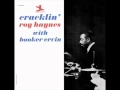
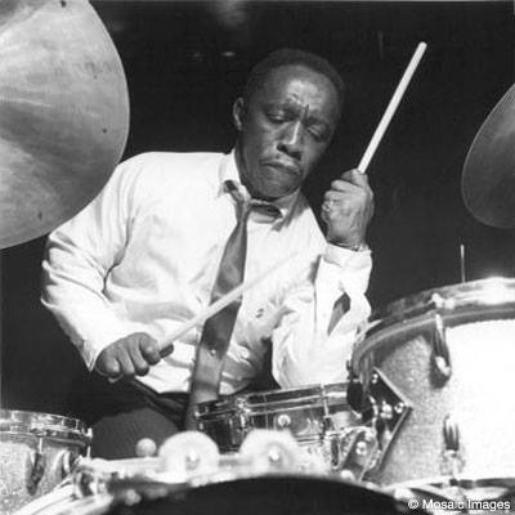
Roy Haynes’ Spotify BioRoy Haynes was one of the most important drummers in the evolution of jazz as an artform, jumping onto the scene full force in the mid-40's and pushing consistently forward from there. Haynes' crisp, conversational playing style made his rhythms cohere with whoever he joined forces with, often giving the group interplay a personality of its own. He played a major role in multiple important jazz chapters as the years went on, backing everyone from Charlie Parker and Lester Young in the bebop years to vocalist Sarah Vaughan before doing dates with John Coltrane and Pharoah Sanders as jazz began venturing further out in the '60s, and later playing with Pat Metheny in the post-fusion days of the '90s. There were few important jazz figures Haynes didn't play with, and on top of this, he produced several notable albums as a leader, such as 1958's We Three and the 1962 Impulse! set Out of the Afternoon. Haynes remained active into the 2010s, releasing new music like 2011's Roy-Alty while well… into his '80s. Haynes died in 2024, leaving behind an indelible mark on the history of jazz.
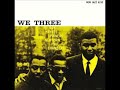
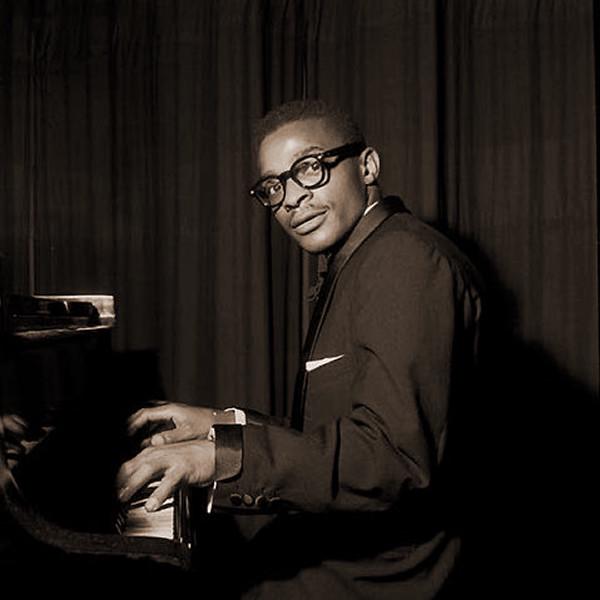
Haynes was born in Boston in 1925, to parents who had moved there from Barbados. He began playing drums early in life, and by his teenage years he was gigging regularly by the mid-'40s. One of his first higher profile jobs was playing with Lester Young in the late '40s, after which he would take over drumming duties in Charlie Parker's quintet when Max Roach left the ensemble in 1949. Haynes played with Parker into the early '50s, establishing himself as a star drummer and doing live dates and recording sessions with many jazz greats of the time. Throughout the decade, he worked in some capacity with Miles Davis, Sonny Rollins, Cal Tjader, and many others, while doing extensive turing and recording with vocalist Sarah Vaughan as well as boundary-pusher Thelonious Monk. As the '60s brought post-bop experimentation, Haynes was actively involved, playing with Coltrane, Andrew Hill, Eric Dolphy, Chic Corea, and many others. Haynes had also begun producing records as a leader by this point, such as the 1959 trio album We Three with Paul Chambers and Phineas Newborn, 1962's powerhouse effort Out of the Afternoon with Roland Kirk, Tommy Flanagan, and Henry Grimes, 1963's Cymbalism, and 1964's People. He continued his nonstop activity into the next several decades, with solo albums and ceaseless dates with pretty much every innovative figure in jazz. His work remained steady through the '90s, 2000s, and into the start of the 2010s, with collaborations along the way that dipped into fusion on Pat Metheny's 1990 set Question and Answer and a Grammy-nominated album of his own with 2001's Birds of a Feather: A Tribute to Charlie Parker. Haynes led several albums in this time, such as 2006 set Whereas, and 2011's Roy-Alty. At this point the drummer was in his 80s and had been actively contributing to the shaping of jazz for seven decades. Haynes died on November 12, 2024 at age 99. ~ Fred Thomas, Rovi
Viberate is a music analytics platform built for A&Rs, artist managers, labels, booking agents, marketers, and artists.
It helps music professionals track artist growth, analyze audience data, monitor playlist activity, compare artists, follow song performance, and identify opportunities across the music market.
Public artist pages provide a free preview of selected artist data. Paid plans provide access to deeper analytics, historical data, charts, comparisons, playlist tools, exports, alerts, reports, and additional professional features.
Yes. Public Viberate artist pages provide selected artist analytics and music data for free.
Viberate also offers a 7-day free trial of the full platform. A credit card is required to start the trial. The trial includes access to the complete product so users can test deeper artist analytics, historical views, playlist insights, comparisons, charts, exports, alerts, and reporting features before choosing a paid plan.
Viberate provides artist analytics across streaming, playlists, social media, video, radio airplay, songs, and audience markets.
Users can analyze Spotify performance, Spotify and Apple Music playlists, YouTube activity, TikTok and Instagram growth, radio spins, song performance, audience locations, demographics, rankings, and overall artist momentum.
Artist profiles also connect to music charts, similar artists, and comparison tools, helping users benchmark performance and evaluate artists in context.
Viberate updates key artist and track data daily.
For followed artists and tracks, selected data is refreshed multiple times per day. This helps teams monitor playlist changes, streaming movement, audience growth, releases, and campaign performance with more current data.
Update frequency can vary depending on the metric and data source.
Yes. Viberate lets users compare up to five artists side by side across streaming, social media, audience, and engagement metrics.
Users can compare fanbase growth, audience demographics, locations, Spotify performance, social metrics, and other artist data over selected time periods.
Artist comparison can be used for A&R scouting, benchmarking, booking decisions, campaign planning, and evaluating artists with similar audiences or market positions.