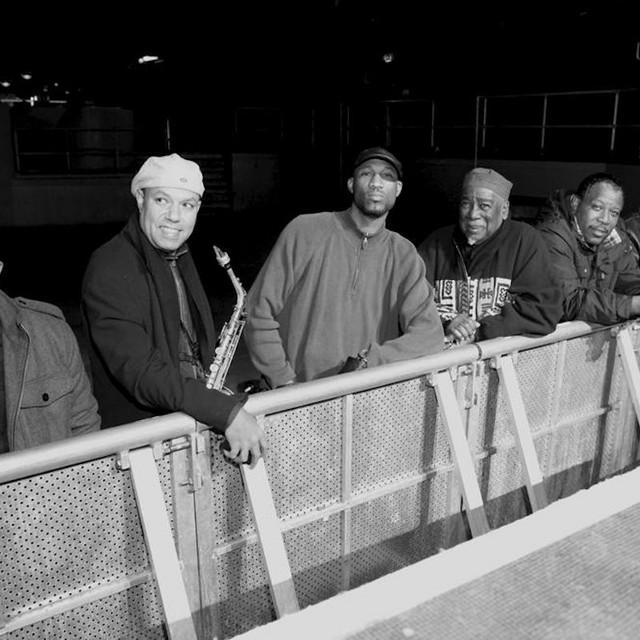
Fatback Band

R&B
Funk
Disco house
Smooth Jazz
 Viberate Rank: 57235
 Viberate Rank: 57235
 Monthly ListenersFollowers
 Subscribers
 Followers
 Followers
 FansTop Spotify Songs
| Track | 7-Day Streams | |
|---|---|---|
1 | 46.94K | |
2 | 25.20K | |
3 | 8.17K | |
4 | 8.12K | |
5 | 5.59K |
Top YouTube VideosMonthly ListenersFeatured in Playlists| Playlist | Followers | |
|---|---|---|
1 |  Acid Jazz Spotify | 396.02K |
2 |  Happy Hour Spotify | 271.72K |
3 |  GTA San Andreas Radio Low Fidelity | 252.37K |
4 |  real good shit Tom Misch | 165.63K |
5 |  Funk à l'ancienne! FUNK 80S | 138.82K |
Audience| City | Monthly Listeners | |
|---|---|---|
1 |  | 20.34K |
2 | | 14.48K |
3 | | 5.05K |
4 | | 4.86K |
5 | | 4.72K |
See full performance history, audience data, playlist activity, rankings, comparisons, and more in Viberate music analytics. Start with a free trial, then continue with a paid plan.
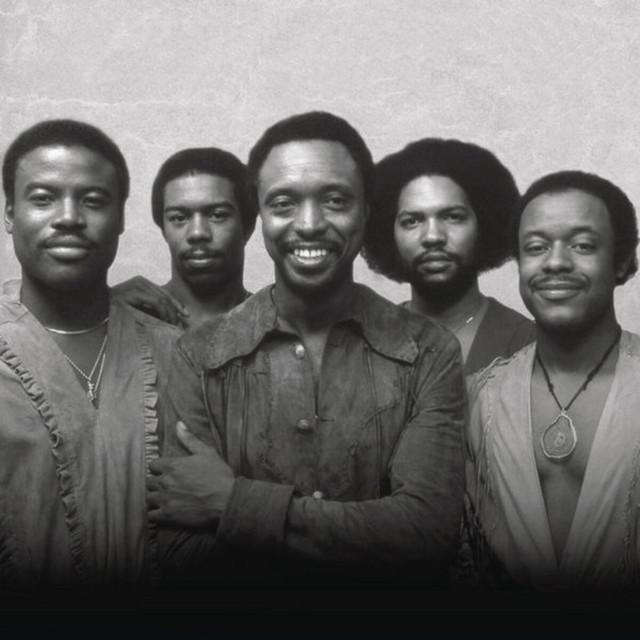
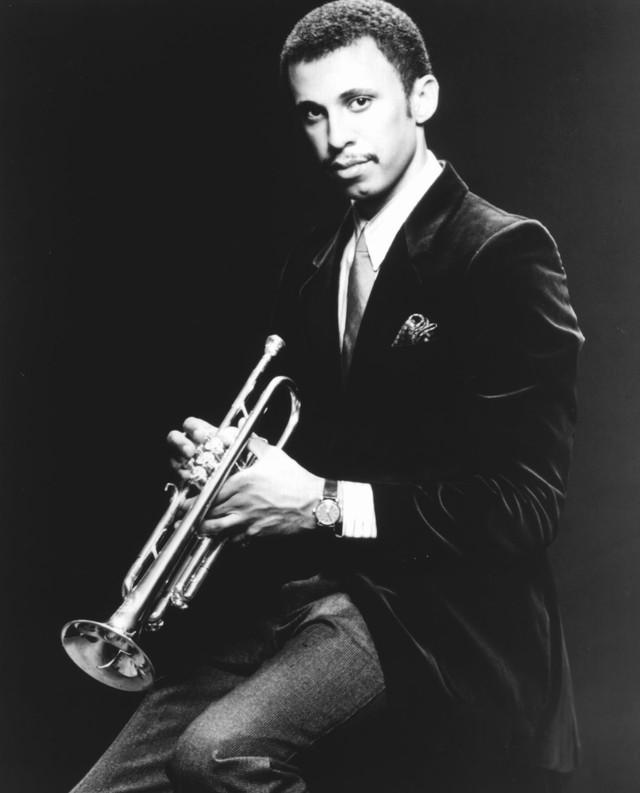
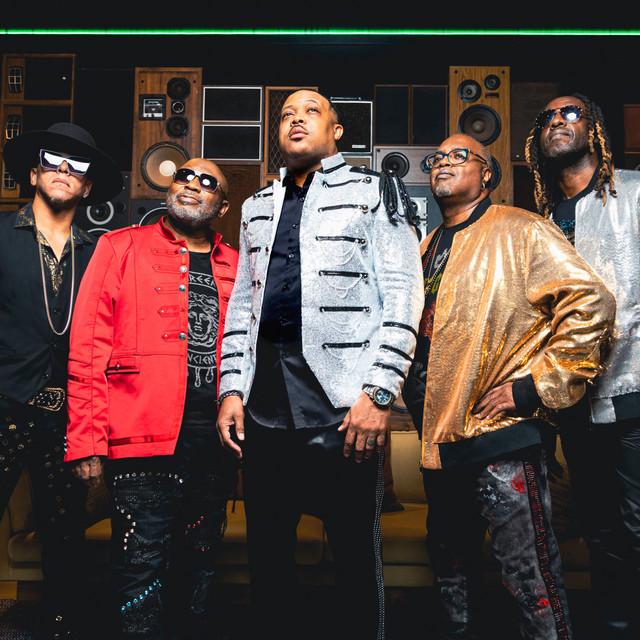
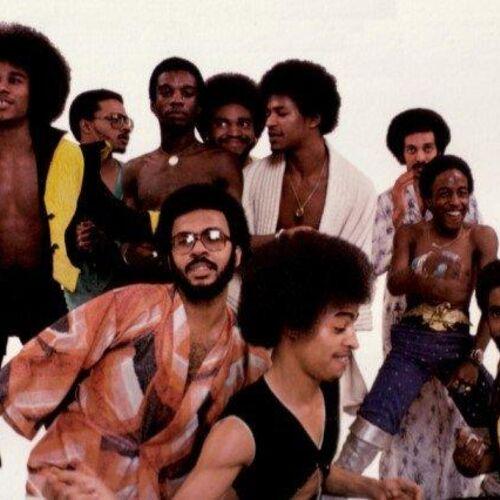
Fatback Band’s Spotify BioA seminal funk ensemble, the Fatback Band made many great singles throughout the '70s and early '80s, ranging from humorous novelty tunes to energetic dance vehicles and even occasional political/message tracks. The original lineup featured drummer Bill Curtis, trumpeter George Williams, guitarist Johnny King, bassist Johnny Flippin, saxophonist Earl Shelton, and flutist George Adam. Synthesizer player Gerry Thomas, saxophonist Fred Demerey, and guitarist George Victory were integral parts of the group during their peak years. They began recording for Perception in the early '70s, and had moderate luck with "Street Dance" in 1973. They moved to Event in 1974, and while funk audiences loved such songs as "Wicki-Wacky" and "(Are You Ready) Do the Bus Stop," they didn't generate much sales action. Their first sizable hit was "Spanish Hustle" in 1976, which reached number 12 on the R&B charts. They shortened their name to Fatback in 1977, and landed their first Top Ten R&B hit with "I Like… Girls" in 1978. Their 1979 single "King Tim III (Personality Jock)" is widely considered the first rap single in many circles. But their biggest year was 1980. They scored two Top Ten R&B hits with "Gotta Get My Hands on Some (Money)" and "Backstrokin'," their finest tune. Fatback kept going through the mid-'80s, landing one more Top 20 hit with "Take It Any Way You Can Want It" in 1981. They were backed by the female vocal trio Wild Sugar in 1981-1982, and Evelyn Thomas also provided the lead vocal for "Spread Love" in 1985, their last song for Spring. Fatback also recorded a pair of LPs for Cotillion in 1984 and 1985. ~ Ron Wynn, Rovi
Viberate is a music analytics platform built for A&Rs, artist managers, labels, booking agents, marketers, and artists.
It helps music professionals track artist growth, analyze audience data, monitor playlist activity, compare artists, follow song performance, and identify opportunities across the music market.
Public artist pages provide a free preview of selected artist data. Paid plans provide access to deeper analytics, historical data, charts, comparisons, playlist tools, exports, alerts, reports, and additional professional features.
Yes. Public Viberate artist pages provide selected artist analytics and music data for free.
Viberate also offers a 7-day free trial of the full platform. A credit card is required to start the trial. The trial includes access to the complete product so users can test deeper artist analytics, historical views, playlist insights, comparisons, charts, exports, alerts, and reporting features before choosing a paid plan.
Viberate provides artist analytics across streaming, playlists, social media, video, radio airplay, songs, and audience markets.
Users can analyze Spotify performance, Spotify and Apple Music playlists, YouTube activity, TikTok and Instagram growth, radio spins, song performance, audience locations, demographics, rankings, and overall artist momentum.
Artist profiles also connect to music charts, similar artists, and comparison tools, helping users benchmark performance and evaluate artists in context.
Viberate updates key artist and track data daily.
For followed artists and tracks, selected data is refreshed multiple times per day. This helps teams monitor playlist changes, streaming movement, audience growth, releases, and campaign performance with more current data.
Update frequency can vary depending on the metric and data source.
Yes. Viberate lets users compare up to five artists side by side across streaming, social media, audience, and engagement metrics.
Users can compare fanbase growth, audience demographics, locations, Spotify performance, social metrics, and other artist data over selected time periods.
Artist comparison can be used for A&R scouting, benchmarking, booking decisions, campaign planning, and evaluating artists with similar audiences or market positions.