Brass Construction

R&B
Funk
Disco house
 Viberate Rank: 65062
 Viberate Rank: 65062
 Monthly ListenersFollowers
 Subscribers
 Followers
 Followers
 FansTop Spotify Songs
| Track | 7-Day Streams | |
|---|---|---|
1 | 13.88K | |
2 | 8.98K | |
3 | 5.52K | |
4 | 3.20K | |
5 | 2.06K |
Top YouTube VideosMonthly ListenersFeatured in Playlists| Playlist | Followers | |
|---|---|---|
1 |  Acid Jazz Spotify | 396.00K |
2 |  I Love My 80s Funk Spotify | 316.54K |
3 |  70s R&B/Soul - The Golden Era Raul Gabriel - Music | 159.65K |
4 |  I Love My 70s Funk Spotify | 103.56K |
5 |  Soul Train 70s Disco and Funk djlarras | 69.74K |
Audience| City | Monthly Listeners | |
|---|---|---|
1 |  | 3.33K |
2 |  | 2.03K |
3 | | 1.53K |
4 | | 1.13K |
5 | | 1.05K |
See full performance history, audience data, playlist activity, rankings, comparisons, and more in Viberate music analytics. Start with a free trial, then continue with a paid plan.
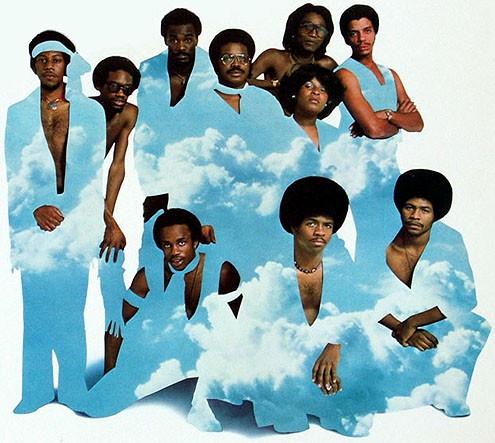
Brass Construction’s Spotify BioThe Grammy-nominated Brass Construction played an eminently danceable and incredibly tight form of funk led by writer, arranger, producer, and multi-instrumentalist Randy Muller. Not as specialized as their name implied, they showcased not just dual trumpets and saxophones, but also a muscular core rhythm section and sparkling strings. Hailing from Brooklyn, the band's roots can be traced back to the late '60s. In 1976, three years after they released their first single, they achieved their commercial breakthrough with the locomotive "Movin'," a number one hit on Billboard's soul and disco charts that also crossed into the pop Top 20. Brass Construction, the parent album, went platinum, and the band followed it with two more gold albums, Brass Construction II and Brass Construction III, and seven additional LPs through 1985. As with virtually all other surviving funk bands in the post-disco era, Brass Construction's sound became more polished and electronic, but they remained a funk… band through and through.
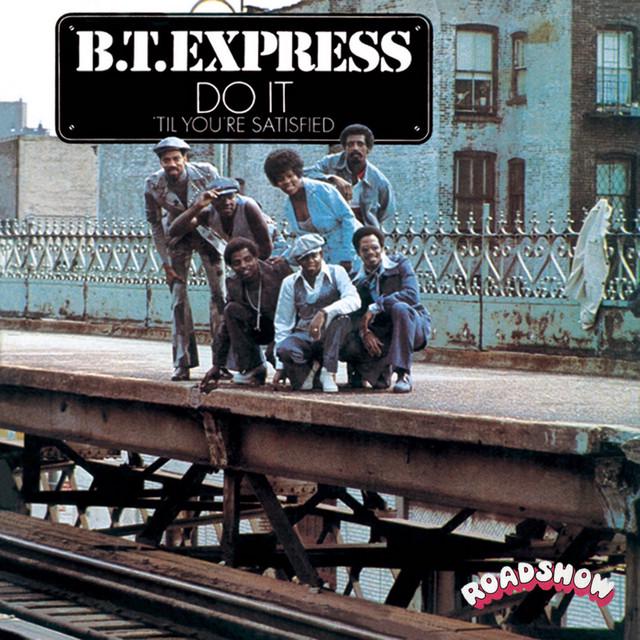
Brass Construction evolved from the Dynamic Souls, who formed in 1968 after leader Randy Muller organized a talent show at George Gershwin Junior High School in Brooklyn. For the program, Muller had put together a group -- peers drawn from the school's band class -- that included himself on piano, Larry Payton on drums, and Wade Williamston on bass. Together with trumpeters Wayne Parris and Morris Price, saxophonists Michael "Micky" Grudge and Jesse Ward, guitarist Joseph Arthur-Wong, and percussionist Sandy Billups, they became the Dynamic Souls. It wasn't until 1973 that the nine musicians transformed into Brass Construction with the relaxed funk of "Two Timin' Lady," written by Muller and co-produced by Jeff Lane, who also released it on his one-off Docc label (with distribution from Mainstream). Shortly thereafter, Lane sought Muller out to arrange the strings for B.T. Express' number four pop hit "Express."
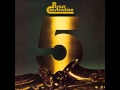
Signed to United Artists, Brass Construction made their full-length debut in 1975 with Brass Construction, led by "Movin," a richly layered nine-minute funk workout that in 1976 topped Billboard's soul and disco charts and reached number 14 on the pop chart. The midtempo "Changin'" followed it to the number three spot on the disco chart and number 24 on the soul chart. Filled out with four additional grooves with hard rhythms, spirited horns, dashing strings, and one-word titles, the album was certified gold by the end of March 1976, and was nominated for a Grammy in the category of Best R&B Instrumental Performance. That October, BC returned with the more message-oriented Brass Construction II. The number eight soul hit "Ha Cha Cha (Funktion)" helped it achieve gold status within a month, mere weeks before the debut went platinum. BC kept to an annual album release schedule through 1980. All produced by Lane, Brass Construction III (another gold seller), Brass Construction IV, Brass Construction 5, and Brass Construction 6 each offered dancefloor-oriented funk with the occasional ballad. The four LPs combined to yield six charting singles including "L-O-V-E U," the band's final Top 20 soul hit. "Music Makes You Feel Like Dancing," taken from Brass Construction 5, became the band's third Top 40 pop hit in the U.K. (after "Movin'" and "Ha Cha Cha [Funktion]").
By the dawn of the '80s, Muller had done extensive session work outside the band, aiding B.T. Express, Lane's Spiders Webb project, the Persuaders, Garnet Mimms, Charles Earland, and many more. More significantly, Muller had started a close affiliation with Skyy, Brooklynites who got rolling with "First Time Around," which he wrote and co-produced. Muller had also started working extensively with another Salsoul signee, fellow Guyanese-born singer Rafael Cameron (aka simply Cameron). Still, Muller continued to lead and produce Brass Construction through four albums issued by Liberty and Capitol from 1982 through 1985: Attitudes, Conversations, Renegades, and Conquest. The Top 30 R&B singles "Can You See the Light" and "Walkin' the Line" exemplified the band's ability to adapt to the rapid developments in contemporary R&B.
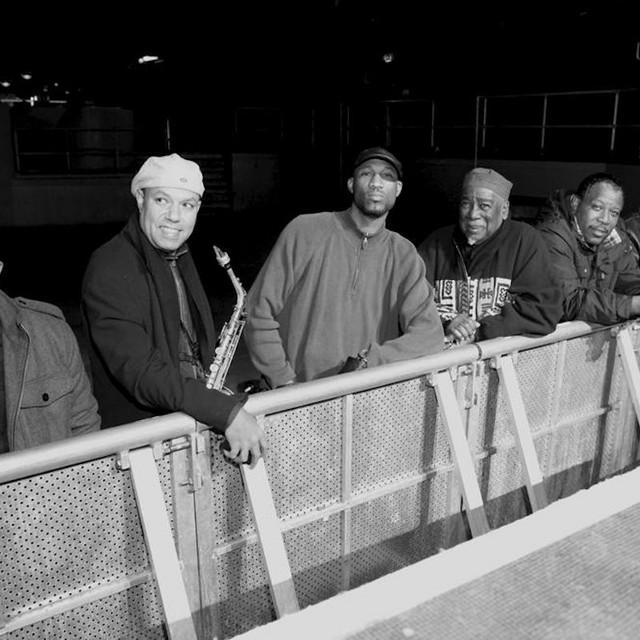
The band split before the end of 1985. A handful of house remixes surfaced three years later. Joseph Arthur-Wong died in 1998, preceding a band reunion the following decade. Larry Payton and Jesse Ward both died in 2016. Michael Grudge, Morris Price, and Sandy Billups took the band into the 2020s with performances and studio recordings such as the Shattered Earth, Vol. 1 EP. Muller remained deeply involved in music with an assortment of projects, from Funk Deluxe and Brooklyn Soul Biscuits to his flute showcase Groovin' U and his own label, Plaza Records. ~ Andy Kellman, Rovi
Viberate is a music analytics platform built for A&Rs, artist managers, labels, booking agents, marketers, and artists.
It helps music professionals track artist growth, analyze audience data, monitor playlist activity, compare artists, follow song performance, and identify opportunities across the music market.
Public artist pages provide a free preview of selected artist data. Paid plans provide access to deeper analytics, historical data, charts, comparisons, playlist tools, exports, alerts, reports, and additional professional features.
Yes. Public Viberate artist pages provide selected artist analytics and music data for free.
Viberate also offers a 7-day free trial of the full platform. A credit card is required to start the trial. The trial includes access to the complete product so users can test deeper artist analytics, historical views, playlist insights, comparisons, charts, exports, alerts, and reporting features before choosing a paid plan.
Viberate provides artist analytics across streaming, playlists, social media, video, radio airplay, songs, and audience markets.
Users can analyze Spotify performance, Spotify and Apple Music playlists, YouTube activity, TikTok and Instagram growth, radio spins, song performance, audience locations, demographics, rankings, and overall artist momentum.
Artist profiles also connect to music charts, similar artists, and comparison tools, helping users benchmark performance and evaluate artists in context.
Viberate updates key artist and track data daily.
For followed artists and tracks, selected data is refreshed multiple times per day. This helps teams monitor playlist changes, streaming movement, audience growth, releases, and campaign performance with more current data.
Update frequency can vary depending on the metric and data source.
Yes. Viberate lets users compare up to five artists side by side across streaming, social media, audience, and engagement metrics.
Users can compare fanbase growth, audience demographics, locations, Spotify performance, social metrics, and other artist data over selected time periods.
Artist comparison can be used for A&R scouting, benchmarking, booking decisions, campaign planning, and evaluating artists with similar audiences or market positions.