Falconer

Metal
Folk Metal
Power Metal
 Viberate Rank: 102942
 Viberate Rank: 102942
 Monthly ListenersFollowers
 Subscribers
 Followers
 Followers
 FansTop Spotify Songs
| Track | 7-Day Streams | |
|---|---|---|
1 | 8.90K | |
2 | 8.90K | |
3 | 7.84K | |
4 | 3.46K | |
5 | 3.46K |
Top YouTube VideosMonthly ListenersFeatured in Playlists| Playlist | Followers | |
|---|---|---|
1 |  This is Power Metal Metal Playlists | 60.40K |
2 |  Power Speed and Metal Chris Entonie | 38.53K |
3 |  Metal Madness 🤘 Metal 2026 Topsify US | 35.76K |
4 | Rockers workout Chris Dial | 21.55K |
5 |  Crusader Metal abatedameoba63 | 18.63K |
Audience| City | Monthly Listeners | |
|---|---|---|
1 | | 1.27K |
2 | | 858 |
3 |  | 592 |
4 |  | 576 |
5 |  | 504 |
See full performance history, audience data, playlist activity, rankings, comparisons, and more in Viberate music analytics. Start with a free trial, then continue with a paid plan.
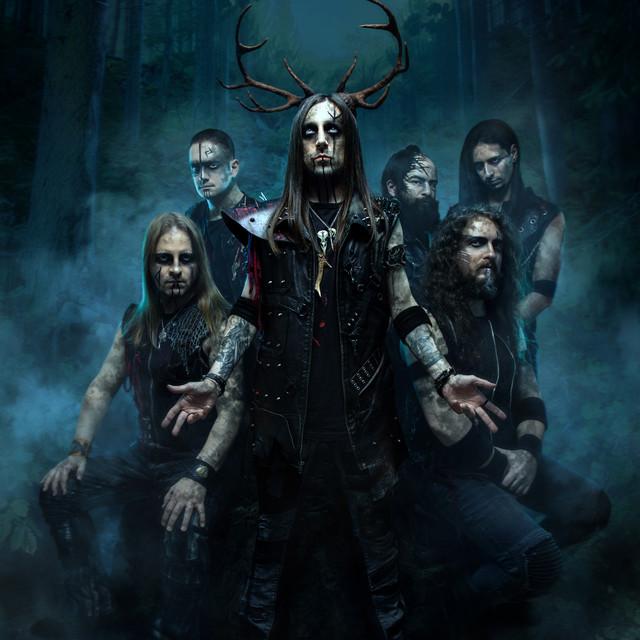
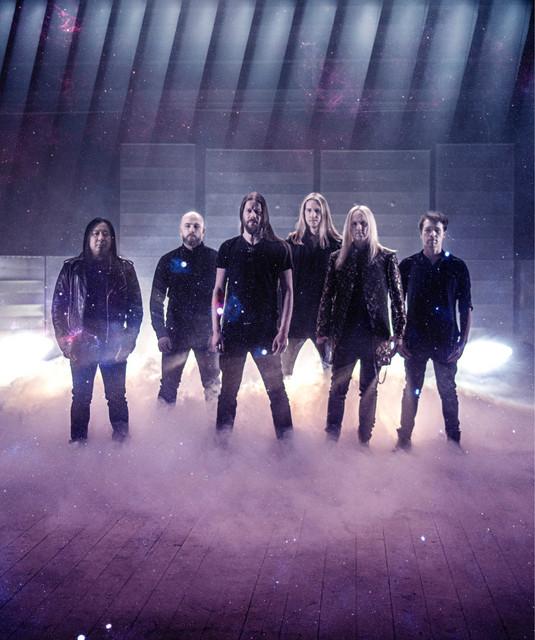
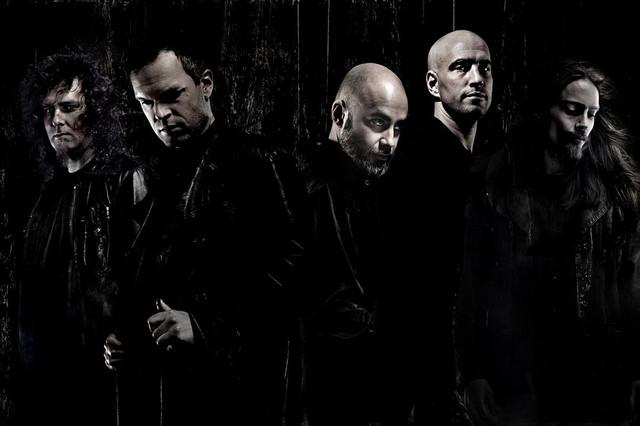
Falconer’s Spotify BioFalconer started out as a solo project by Stefan following the demise of Viking/folk-themed black metal band Mithotyn in 1999. Falconer, whose studio lineup was initially completed with singer Mathias Blad and former Mithotyn drummer Karsten Larsson. The band signed to Metal Blade, and early Falconer albums like 2001's eponymous debut and 2002's Chapters from a Vale Forlorn distinguished themselves for meshing lingering traces of Scandinavian folk music into a power metal template. In 2003 the band changed vocalist due to Mathias´s problems of devoting the time for live gigs. New vocalist Kristoffer Göbel joined. They recorded Falconer's third album, The Sceptre of Deception, in 2003 and 2005's Grime vs. Grandeur. Getting back to basics, singer Mathias Blad returned to the band in 2007, making his triumphant return on Falconer's fifth album, 2006's Northwind and 2008's Among Beggars and Thieves. Falconer continued to integrate the sounds of traditional Swedish folk music even more into… their seventh album, Armod, which was released in 2011, as well as their eighth album, 2014's driving and elegant Black Moon Rising. In early 2020, Falconer announced that their next record would be their last. The resulting From a Dying Ember was released later that June.
In 2023 Stefan announced his new band RECITE THE CYNIC with his friend Mathias Gyllengahm from the folk metal band UTMARKEN. Their first album is released in July 2023.
Viberate is a music analytics platform built for A&Rs, artist managers, labels, booking agents, marketers, and artists.
It helps music professionals track artist growth, analyze audience data, monitor playlist activity, compare artists, follow song performance, and identify opportunities across the music market.
Public artist pages provide a free preview of selected artist data. Paid plans provide access to deeper analytics, historical data, charts, comparisons, playlist tools, exports, alerts, reports, and additional professional features.
Yes. Public Viberate artist pages provide selected artist analytics and music data for free.
Viberate also offers a 7-day free trial of the full platform. A credit card is required to start the trial. The trial includes access to the complete product so users can test deeper artist analytics, historical views, playlist insights, comparisons, charts, exports, alerts, and reporting features before choosing a paid plan.
Viberate provides artist analytics across streaming, playlists, social media, video, radio airplay, songs, and audience markets.
Users can analyze Spotify performance, Spotify and Apple Music playlists, YouTube activity, TikTok and Instagram growth, radio spins, song performance, audience locations, demographics, rankings, and overall artist momentum.
Artist profiles also connect to music charts, similar artists, and comparison tools, helping users benchmark performance and evaluate artists in context.
Viberate updates key artist and track data daily.
For followed artists and tracks, selected data is refreshed multiple times per day. This helps teams monitor playlist changes, streaming movement, audience growth, releases, and campaign performance with more current data.
Update frequency can vary depending on the metric and data source.
Yes. Viberate lets users compare up to five artists side by side across streaming, social media, audience, and engagement metrics.
Users can compare fanbase growth, audience demographics, locations, Spotify performance, social metrics, and other artist data over selected time periods.
Artist comparison can be used for A&R scouting, benchmarking, booking decisions, campaign planning, and evaluating artists with similar audiences or market positions.