Dragonland

Metal
Power Metal
Symphonic Metal
 Viberate Rank: 86569
 Viberate Rank: 86569
 Monthly ListenersFollowers
 Subscribers
 Followers
 Followers
 FansTop Spotify Songs
| Track | 7-Day Streams | |
|---|---|---|
1 | 7.48K | |
2 | 5.63K | |
3 | 5.01K | |
4 | 3.82K | |
5 | 3.65K |
Top YouTube VideosMonthly ListenersFeatured in Playlists| Playlist | Followers | |
|---|---|---|
1 |  Power Speed and Metal Chris Entonie | 38.53K |
2 |  Power & Fantasy Metal Ringo Jones | 34.75K |
3 | Metal Covers of non-metal songs Jorge García | 30.13K |
4 | power metal Moritz Michael | 29.79K |
5 |  Power Metal Essentials tunesofmetal | 21.23K |
Audience| City | Monthly Listeners | |
|---|---|---|
1 |  | 2.50K |
2 |  | 1.96K |
3 |  | 1.41K |
4 |  | 1.11K |
5 |  | 905 |
See full performance history, audience data, playlist activity, rankings, comparisons, and more in Viberate music analytics. Start with a free trial, then continue with a paid plan.
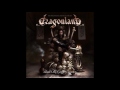
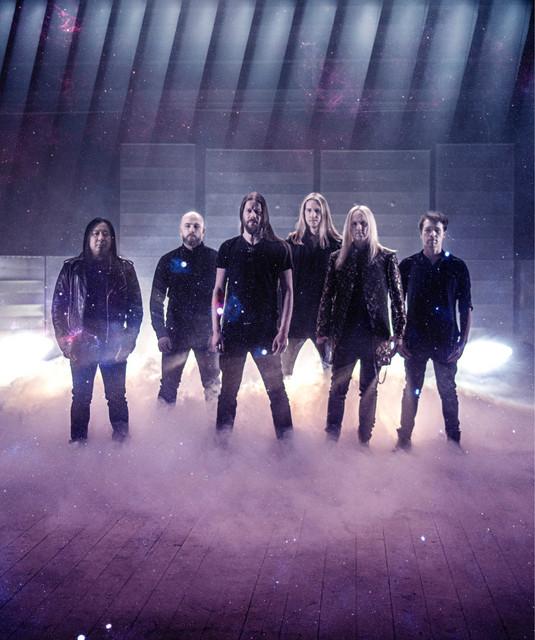
Dragonland’s Spotify BioDRAGONLAND first burst onto the scene in 2001 with their debut "The Battle of the Ivory Plains", quickly followed by 2002's "Holy War", setting their unique mark upon a re-emerging power metal genre. The core of the band's vision was to craft epic fantasy stories, influenced by movie soundtracks and classical music, as well as the great masters of mythology and fantasy literature.
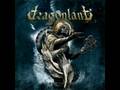
Later into the 2000's DRAGONLAND expanded their creative vistas by also dabbling into other fictional realms. For their renowned 2004 album “Starfall”, the band explored various themes, ranging from Egyptology, Vikings to the uncharted crevices of the human mind. The release was succeeded by “Astronomy” released in 2006: part science fiction concept album, and part an eclectic journey through different cosmological themes.
With the 2011 release “Under the Grey Banner”, DRAGONLAND returned once more to their Tolkienesque roots with an all-out fantasy concept album, making complete the trilogy that is “The… Dragonland Chronicles” saga.
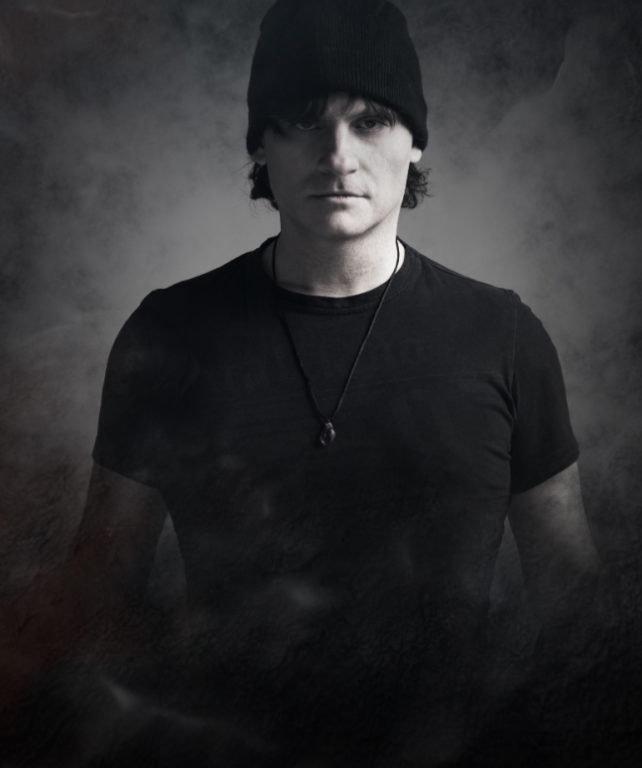
As foretold long ago by mumbling sages gazing upon constellations carved into the firmament: DRAGONLAND have returned, twenty years since their inception and ten years since their last album! Now, prepare your mind to speed through the heavens, where you shall in awe discover "The Power of the Nightstar!"
Viberate is a music analytics platform built for A&Rs, artist managers, labels, booking agents, marketers, and artists.
It helps music professionals track artist growth, analyze audience data, monitor playlist activity, compare artists, follow song performance, and identify opportunities across the music market.
Public artist pages provide a free preview of selected artist data. Paid plans provide access to deeper analytics, historical data, charts, comparisons, playlist tools, exports, alerts, reports, and additional professional features.
Yes. Public Viberate artist pages provide selected artist analytics and music data for free.
Viberate also offers a 7-day free trial of the full platform. A credit card is required to start the trial. The trial includes access to the complete product so users can test deeper artist analytics, historical views, playlist insights, comparisons, charts, exports, alerts, and reporting features before choosing a paid plan.
Viberate provides artist analytics across streaming, playlists, social media, video, radio airplay, songs, and audience markets.
Users can analyze Spotify performance, Spotify and Apple Music playlists, YouTube activity, TikTok and Instagram growth, radio spins, song performance, audience locations, demographics, rankings, and overall artist momentum.
Artist profiles also connect to music charts, similar artists, and comparison tools, helping users benchmark performance and evaluate artists in context.
Viberate updates key artist and track data daily.
For followed artists and tracks, selected data is refreshed multiple times per day. This helps teams monitor playlist changes, streaming movement, audience growth, releases, and campaign performance with more current data.
Update frequency can vary depending on the metric and data source.
Yes. Viberate lets users compare up to five artists side by side across streaming, social media, audience, and engagement metrics.
Users can compare fanbase growth, audience demographics, locations, Spotify performance, social metrics, and other artist data over selected time periods.
Artist comparison can be used for A&R scouting, benchmarking, booking decisions, campaign planning, and evaluating artists with similar audiences or market positions.