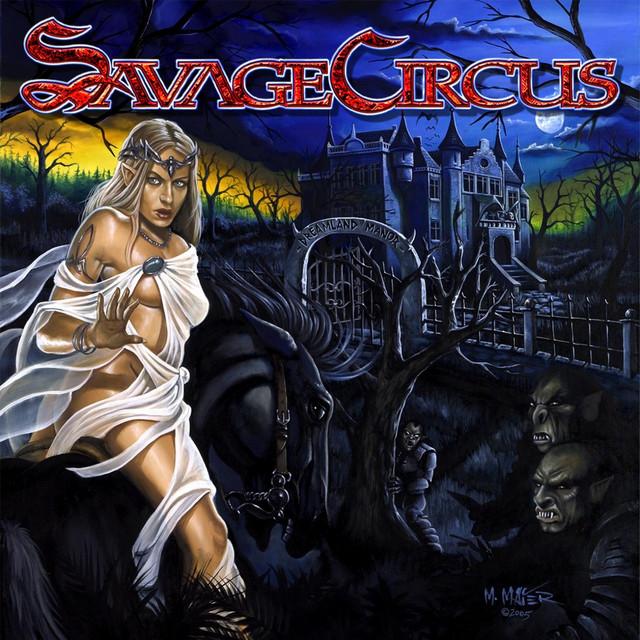
Savage Circus

Metal
Power Metal
Speed Metal
Heavy Metal
 Viberate Rank: 198008
 Viberate Rank: 198008
 Monthly ListenersFollowers
 Subscribers
 Followers
 Followers
 FansTop Spotify Songs
| Track | 7-Day Streams | |
|---|---|---|
1 | 2.26K | |
2 | 1.82K | |
3 | 916 | |
4 | 914 | |
5 | 903 |
Top YouTube VideosMonthly ListenersFeatured in Playlists| Playlist | Followers | |
|---|---|---|
1 |  Power Speed and Metal Chris Entonie | 38.53K |
2 |  Power Metal Essentials tunesofmetal | 21.23K |
3 | Powermetal Espen Tennholm | 7.64K |
4 | Power Metal Clássicos Albino | 7.38K |
5 |  Power Metal / Speed Metal Subterranean Steel | 6.70K |
Audience| City | Monthly Listeners | |
|---|---|---|
1 |  | 442 |
2 |  | 364 |
3 |  | 177 |
4 | | 164 |
5 |  | 159 |
See full performance history, audience data, playlist activity, rankings, comparisons, and more in Viberate music analytics. Start with a free trial, then continue with a paid plan.
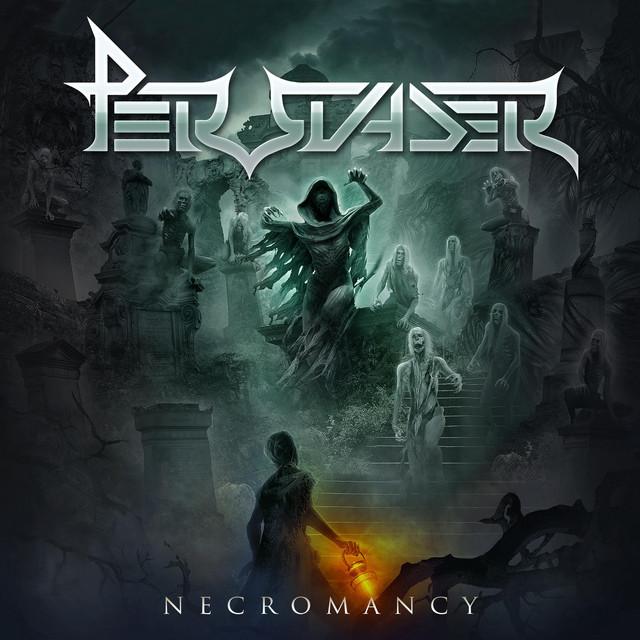
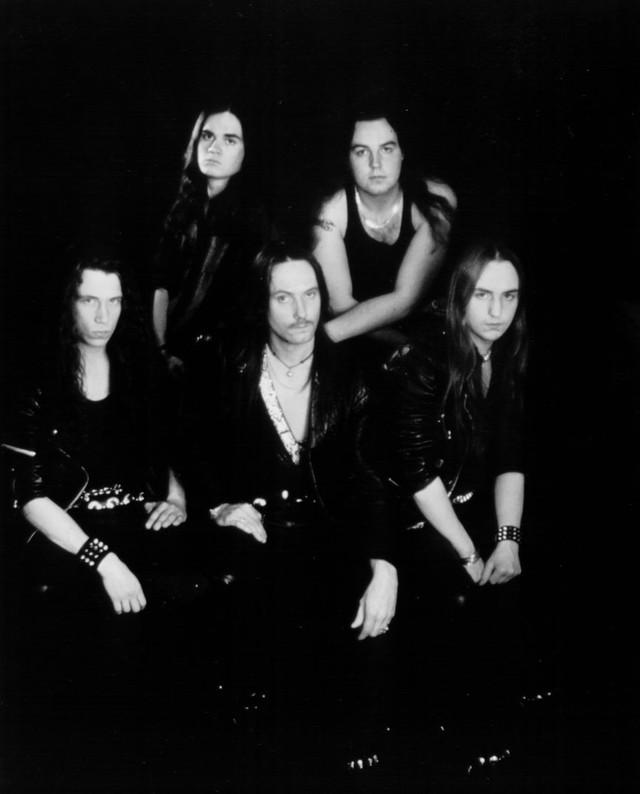
Savage Circus’ Spotify BioPower metal group Savage Circus was first imagined in 2004 by veteran German drummer Thomen Stauch (ex-Iron Savior, Lucifer's Heritage, etc.) prior to his exit from Blind Guardian. Stauch was working on new material in the vein of old Blind Guardian when former bandmate Piet Sielck (bass, rhythm guitar, and a founding member of power metal godfathers Helloween, if you didn't know) recommended he reach out to vocalist Jens Carlsson and guitarist Emil Norberg -- both members of like-minded Swedish act Persuader -- and gauge their interest in working together. The younger musicians jumped at the chance and, over the course of the next year, collaborated on music with Stauch and Sielck via long distance, gradually compiling enough songs to record Savage Circus' debut album, Dreamland Manor, released in 2006 by Century Media Records. ~ Eduardo Rivadavia, Rovi
Viberate is a music analytics platform built for A&Rs, artist managers, labels, booking agents, marketers, and artists.
It helps music professionals track artist growth, analyze audience data, monitor playlist activity, compare artists, follow song performance, and identify opportunities across the music market.
Public artist pages provide a free preview of selected artist data. Paid plans provide access to deeper analytics, historical data, charts, comparisons, playlist tools, exports, alerts, reports, and additional professional features.
Yes. Public Viberate artist pages provide selected artist analytics and music data for free.
Viberate also offers a 7-day free trial of the full platform. A credit card is required to start the trial. The trial includes access to the complete product so users can test deeper artist analytics, historical views, playlist insights, comparisons, charts, exports, alerts, and reporting features before choosing a paid plan.
Viberate provides artist analytics across streaming, playlists, social media, video, radio airplay, songs, and audience markets.
Users can analyze Spotify performance, Spotify and Apple Music playlists, YouTube activity, TikTok and Instagram growth, radio spins, song performance, audience locations, demographics, rankings, and overall artist momentum.
Artist profiles also connect to music charts, similar artists, and comparison tools, helping users benchmark performance and evaluate artists in context.
Viberate updates key artist and track data daily.
For followed artists and tracks, selected data is refreshed multiple times per day. This helps teams monitor playlist changes, streaming movement, audience growth, releases, and campaign performance with more current data.
Update frequency can vary depending on the metric and data source.
Yes. Viberate lets users compare up to five artists side by side across streaming, social media, audience, and engagement metrics.
Users can compare fanbase growth, audience demographics, locations, Spotify performance, social metrics, and other artist data over selected time periods.
Artist comparison can be used for A&R scouting, benchmarking, booking decisions, campaign planning, and evaluating artists with similar audiences or market positions.