Dream Evil

Metal
Heavy Metal
Power Metal
 Viberate Rank: 65319
 Viberate Rank: 65319
 Monthly ListenersFollowers
 Subscribers
 Followers
 Followers
 FansTop Spotify Songs
| Track | 7-Day Streams | |
|---|---|---|
1 | 41.35K | |
2 | 19.73K | |
3 | 8.34K | |
4 | 6.30K | |
5 | 5.47K |
Top YouTube VideosMonthly ListenersFeatured in Playlists| Playlist | Followers | |
|---|---|---|
1 |  Gym Motivation 💪🏼 Old School 80s - 2026 🏛️ Beast Mode Music | 181.75K |
2 | sad metal songs. Sebastian Finta | 78.46K |
3 |  EA skate. 3 Soundtrack skate. | 63.47K |
4 |  This is Power Metal Metal Playlists | 60.40K |
5 |  yr*ak gibi hissettiren şarkılar basak 𓇼 ⋆.˚ 𓆉 | 53.23K |
Audience| City | Monthly Listeners | |
|---|---|---|
1 |  | 2.46K |
2 | | 2.12K |
3 |  | 2.00K |
4 | | 1.85K |
5 |  | 1.49K |
See full performance history, audience data, playlist activity, rankings, comparisons, and more in Viberate music analytics. Start with a free trial, then continue with a paid plan.
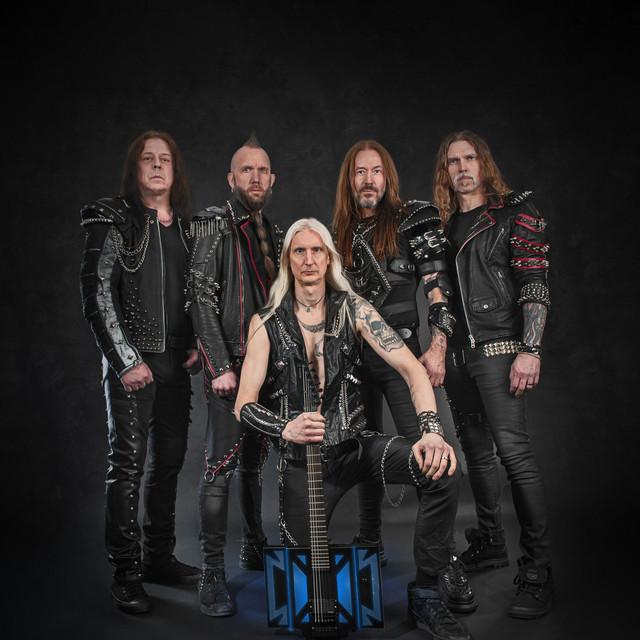
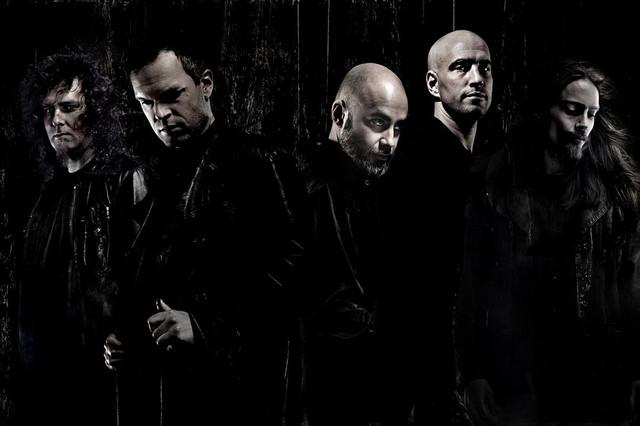
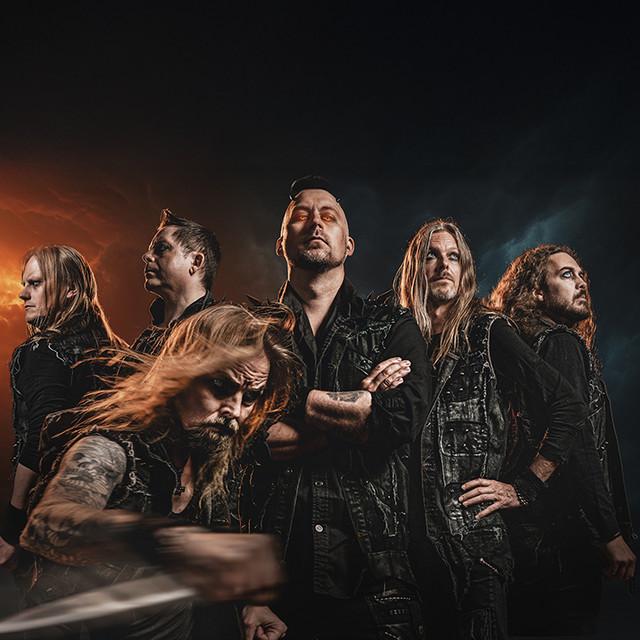
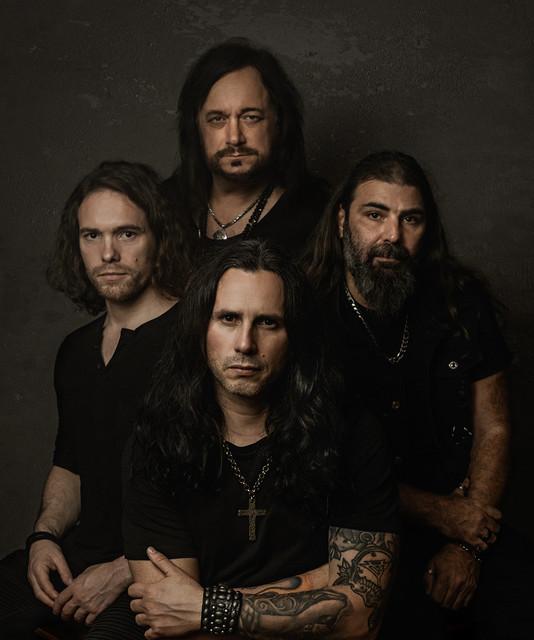
Dream Evil’s Spotify BioScandinavian power metal unit Dream Evil -- named after a 1987 Dio album -- is the brainchild of revered Swedish music producer Fredrik Nordström, one of the most prolific melodic death metal engineers in the country. Formed in 1999 alongside Firewind guitarist Gus G, the band was eventually rounded out by vocalist Niklas Isfeldt, bass player Peter Stålfors, and drummer Snowy Shaw. Dream Evil dropped their debut album, Dragonslayer, on Century Media in 2002, followed by tours with Hammerfall and Blind Guardian. The group's sophomore full-length, Evilized, was released in 2003, with The Book of Heavy Metal arriving the following year. Gus G left the fold shortly after the latter LP's release, and was replaced by Mark Black.
The lineup changes continued in 2006 with the departure of Shaw and the arrival of new drummer Pat Power, who made his studio debut on that year's United. Black left the group in 2007 and was replaced by Daniel Varghamne, who appeared on the band's fifth studio… long-player, 2010's In the Night.
Black would return to the fold for 2017's aptly named Six. Following support and festival tours of Europe and the U.S., Dream Evil reconvened only occasionally for the purpose of touring -- each of the band's members had young children at home. They began recording an album in 2019, but were interrupted by the pandemic, then placed family priorities over recording. In July 2024, following a clutch of video singles, Dream Evil returned with Metal Gods. The album was recorded and mixed by Nordstrom, and included three guests, all on lead guitar: Jonathan Thorpenberg (the Unguided), Tommy Johansson (Majestica), and Christopher Amott (Black Earth). ~ James Christopher Monger, Rovi
Viberate is a music analytics platform built for A&Rs, artist managers, labels, booking agents, marketers, and artists.
It helps music professionals track artist growth, analyze audience data, monitor playlist activity, compare artists, follow song performance, and identify opportunities across the music market.
Public artist pages provide a free preview of selected artist data. Paid plans provide access to deeper analytics, historical data, charts, comparisons, playlist tools, exports, alerts, reports, and additional professional features.
Yes. Public Viberate artist pages provide selected artist analytics and music data for free.
Viberate also offers a 7-day free trial of the full platform. A credit card is required to start the trial. The trial includes access to the complete product so users can test deeper artist analytics, historical views, playlist insights, comparisons, charts, exports, alerts, and reporting features before choosing a paid plan.
Viberate provides artist analytics across streaming, playlists, social media, video, radio airplay, songs, and audience markets.
Users can analyze Spotify performance, Spotify and Apple Music playlists, YouTube activity, TikTok and Instagram growth, radio spins, song performance, audience locations, demographics, rankings, and overall artist momentum.
Artist profiles also connect to music charts, similar artists, and comparison tools, helping users benchmark performance and evaluate artists in context.
Viberate updates key artist and track data daily.
For followed artists and tracks, selected data is refreshed multiple times per day. This helps teams monitor playlist changes, streaming movement, audience growth, releases, and campaign performance with more current data.
Update frequency can vary depending on the metric and data source.
Yes. Viberate lets users compare up to five artists side by side across streaming, social media, audience, and engagement metrics.
Users can compare fanbase growth, audience demographics, locations, Spotify performance, social metrics, and other artist data over selected time periods.
Artist comparison can be used for A&R scouting, benchmarking, booking decisions, campaign planning, and evaluating artists with similar audiences or market positions.