Eugene Ormandy

Classical
Orchestral
Chamber Music
 Viberate Rank: 49388
 Viberate Rank: 49388
 Monthly ListenersFollowers
 Subscribers
 Followers
 Followers
 FansTop Spotify Songs
| Track | 7-Day Streams | |
|---|---|---|
1 | 66.14K | |
2 | 39.93K | |
3 | 30.15K | |
4 | 26.04K | |
5 | 26.01K |
Top YouTube Videos| Video | 7-Day Views | |
|---|---|---|
1 | 11 |
Monthly ListenersFeatured in Playlists| Playlist | Followers | |
|---|---|---|
1 |  Classical Bangers 🎹🎻 Classical Bangers | 1.25M |
2 |  royalcore Spotify | 550.54K |
3 |  Baroque Classics Spotify | 387.91K |
4 |  Fallout Radio Spotify | 297.41K |
5 |  Movie Soundtracks & Cinematic Music (Classical & Instrumental) Tobias Schneider | 217.42K |
Audience| City | Monthly Listeners | |
|---|---|---|
1 |  | 12.22K |
2 |  | 10.02K |
3 |  | 9.07K |
4 |  | 7.31K |
5 |  | 7.13K |
See full performance history, audience data, playlist activity, rankings, comparisons, and more in Viberate music analytics. Start with a free trial, then continue with a paid plan.
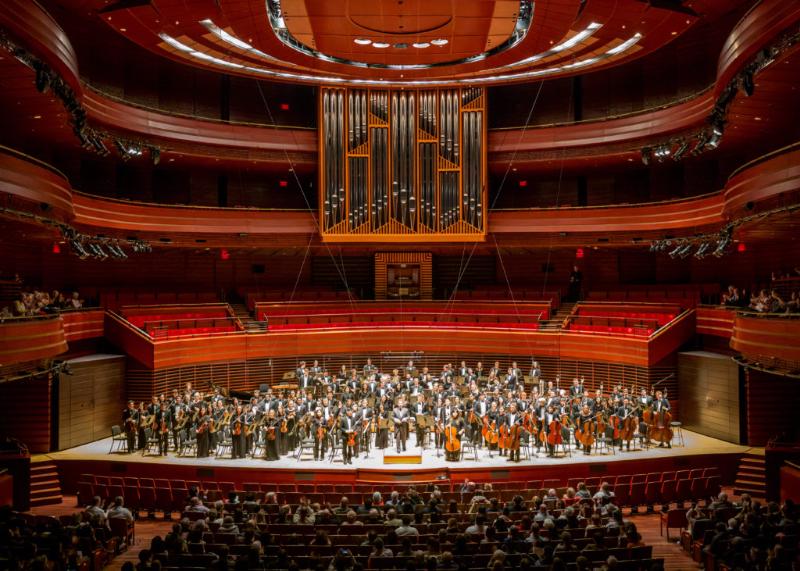
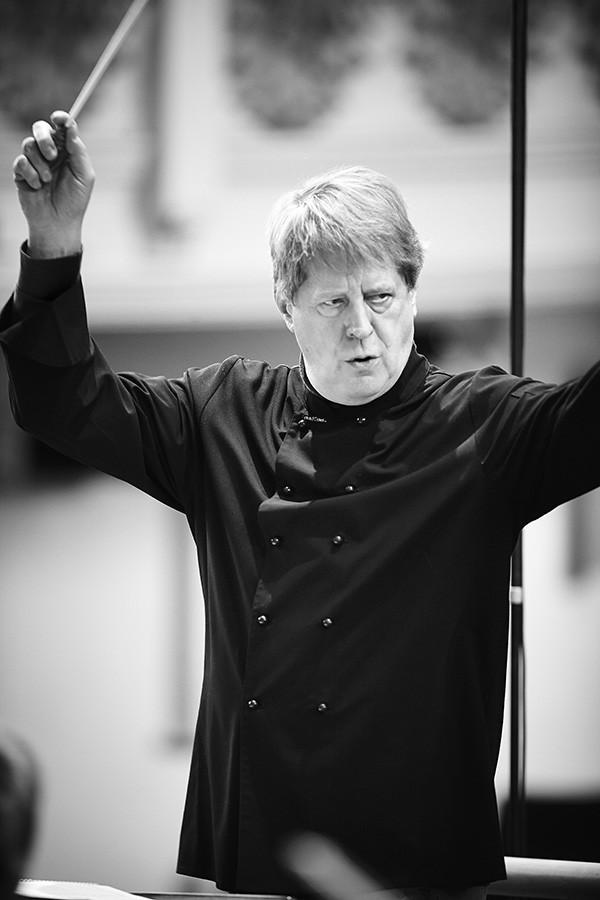
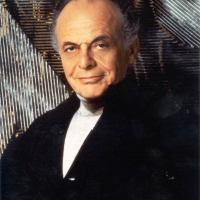
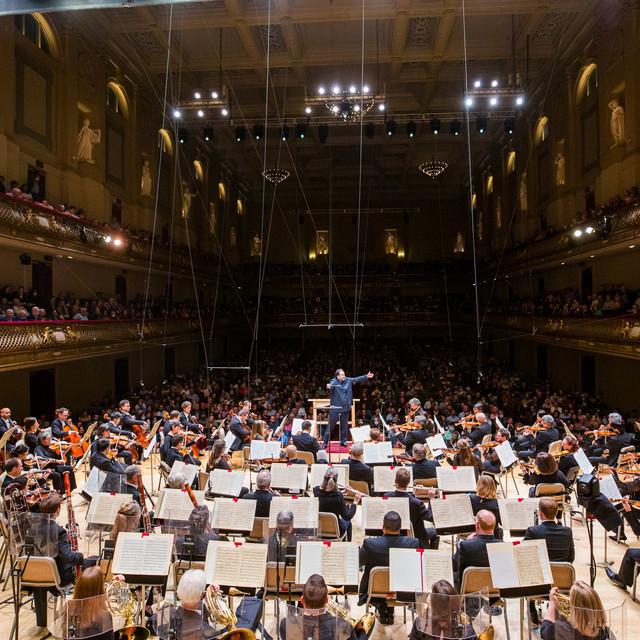
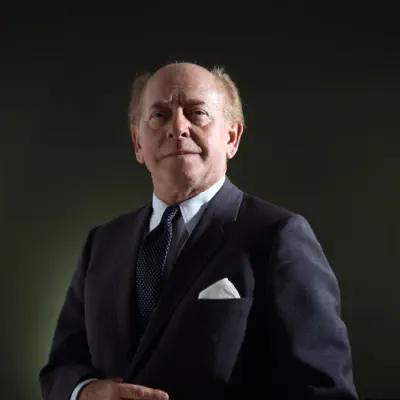
Eugene Ormandy’s Spotify BioLongtime Philadelphia Orchestra conductor Eugene Ormandy (born Jenó Blau) developed what came to be known as the "Philadelphia Sound." (He groused that it should be called the "Ormandy Sound," even though its fundamentals had already been established during Leopold Stokowski's long tenure with the Philadelphia Orchestra.) Largely as an effort to overcome the dry acoustics of the orchestra's home, the Academy of Music, Ormandy emphasized lush string sonorities and, often, legato phrasing and rounded tone. He was lauded even by his own musicians for his ability to conduct everything from memory, even complex contemporary scores. Still, aside from the voluptuous tone, Ormandy's interpretations rarely bore an individual stamp. They were, however, highly polished, intelligently balanced, and well paced, always serving the scores honorably, and often with a dash of controlled excitement.
Ormandy initially studied violin with his father, and entered Budapest's Royal Academy of Music at age 5,… falling under the tutelage of Jenö Hubay at 9. He received a teacher's certificate at 17, and served as concertmaster of the Blüthner Orchestra in Germany, also giving recitals and performing as a concerto soloist.
He moved to the United States in 1921 (taking citizenship in 1927), lured by the promise of a lucrative concert tour. That tour fell through, though, and Ormandy was forced to make ends meet by taking a back-desk job with the Capitol Theater Orchestra in New York City, accompanying silent films. Ormandy soon advanced to the position of concertmaster, and made his conducting debut there in September 1924 when the regular conductor fell ill. By 1926 he was named the orchestra's associate music director, and made extra money conducting light classics on the radio. Important debuts soon followed: he conducted the New York Philharmonic at Lewisohn Stadium in 1929, and the following year became guest conductor of the Robin Hood Dell Orchestra in Philadelphia. On October 30, 1931, came his first performance with the Philadelphia Orchestra.
The following year he was engaged as music director of the Minneapolis Symphony, with which he made several recordings, but he didn't remain long in the Midwest. In 1936 the Philadelphia Orchestra called him back as associate conductor, to share baton duties with Leopold Stokowski, who was being eased out. Ormandy became the orchestra's music director in the autumn of 1938, and held that position for 42 years, until his retirement at the end of the 1979-1980 season (whereupon he was named Conductor Laureate). He led the Philadelphia Orchestra on several national and international tours, including, in 1973, the first appearance of an American symphony orchestra in the People's Republic of China. Ormandy was knighted in 1976 -- Queen Elizabeth II's way of observing the American bicentennial.
Ormandy was always a proficient, well-prepared conductor, but he was most comfortable in Romantic and post-Romantic music; especially noteworthy were his performances and recordings of Richard Strauss and Sergei Rachmaninov. He established an especially close professional relationship with the latter in the 1930s, and premiered his Symphonic Dances. Ormandy also led the first performances of many works by American composers, and gave the U.S. premieres of several Shostakovich symphonies, among other works. In 1948 he led the Philadelphia Orchestra in the first symphony concert broadcast on American TV, beating Arturo Toscanini and the NBC Symphony by 90 minutes. Ormandy and the orchestra recorded extensively for Columbia and RCA, especially during the stereo LP era; their discography ranged from the first recording of Shostakovich's thorny Symphony No. 4 to "easy listening" treatments of recent movie music, harking back to his nights in the Capitol Orchestra.
Viberate is a music analytics platform built for A&Rs, artist managers, labels, booking agents, marketers, and artists.
It helps music professionals track artist growth, analyze audience data, monitor playlist activity, compare artists, follow song performance, and identify opportunities across the music market.
Public artist pages provide a free preview of selected artist data. Paid plans provide access to deeper analytics, historical data, charts, comparisons, playlist tools, exports, alerts, reports, and additional professional features.
Yes. Public Viberate artist pages provide selected artist analytics and music data for free.
Viberate also offers a 7-day free trial of the full platform. A credit card is required to start the trial. The trial includes access to the complete product so users can test deeper artist analytics, historical views, playlist insights, comparisons, charts, exports, alerts, and reporting features before choosing a paid plan.
Viberate provides artist analytics across streaming, playlists, social media, video, radio airplay, songs, and audience markets.
Users can analyze Spotify performance, Spotify and Apple Music playlists, YouTube activity, TikTok and Instagram growth, radio spins, song performance, audience locations, demographics, rankings, and overall artist momentum.
Artist profiles also connect to music charts, similar artists, and comparison tools, helping users benchmark performance and evaluate artists in context.
Viberate updates key artist and track data daily.
For followed artists and tracks, selected data is refreshed multiple times per day. This helps teams monitor playlist changes, streaming movement, audience growth, releases, and campaign performance with more current data.
Update frequency can vary depending on the metric and data source.
Yes. Viberate lets users compare up to five artists side by side across streaming, social media, audience, and engagement metrics.
Users can compare fanbase growth, audience demographics, locations, Spotify performance, social metrics, and other artist data over selected time periods.
Artist comparison can be used for A&R scouting, benchmarking, booking decisions, campaign planning, and evaluating artists with similar audiences or market positions.