Barry Wordsworth

Classical
Orchestral
Chamber Music
 Viberate Rank: 67977
 Viberate Rank: 67977
 Monthly ListenersFollowers
 Subscribers
 Followers
 Followers
 FansTop Spotify Songs
| Track | 7-Day Streams | |
|---|---|---|
1 | 81.24K | |
2 | 79.18K | |
3 | 17.39K | |
4 | 15.70K | |
5 | 15.52K |
Top YouTube VideosMonthly ListenersFeatured in Playlists| Playlist | Followers | |
|---|---|---|
1 |  This Is Beethoven Spotify | 787.35K |
2 |  Opera Classics Spotify | 605.55K |
3 |  Opera Classics Decca Records US | 376.27K |
4 |  100 of the most famous classical music pieces 🎻 🎹 🎺 ILKER SATUR | 320.61K |
5 |  Classical Christmas Spotify | 303.70K |
Audience| City | Monthly Listeners | |
|---|---|---|
1 | | 14.41K |
2 |  | 9.29K |
3 |  | 6.69K |
4 |  | 6.60K |
5 |  | 6.02K |
See full performance history, audience data, playlist activity, rankings, comparisons, and more in Viberate music analytics. Start with a free trial, then continue with a paid plan.
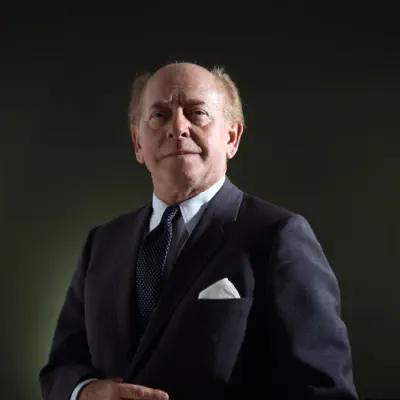
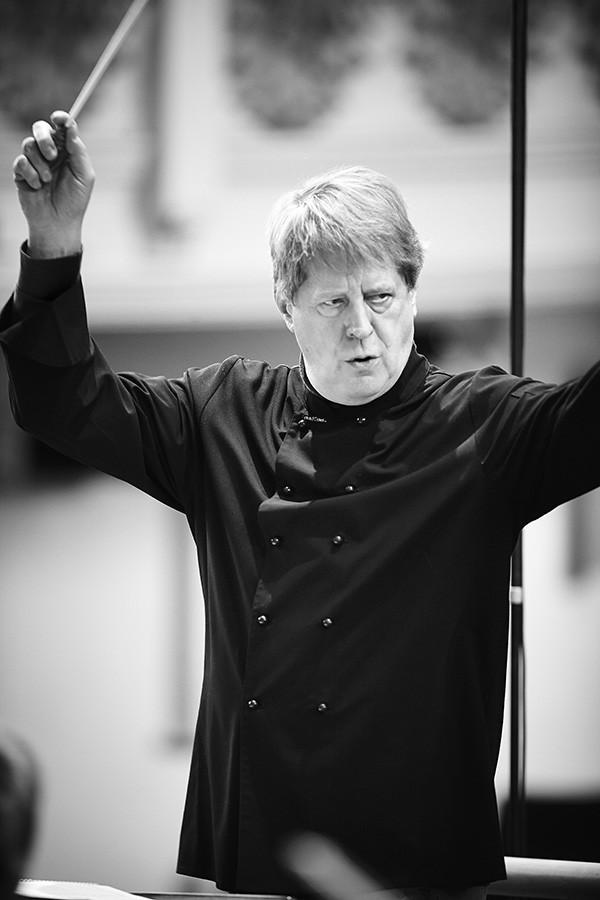
Barry Wordsworth’s Spotify BioBarry Wordsworth’s successful career as a conductor is grounded in a strong relationship with ballet, coming to prominence as the music director of the Royal Ballet Covent Garden. In a conducting career spanning decades, Wordsworth has worked with major ballet companies and orchestras throughout the world.
Wordsworth was born February 2, 1948 in Surrey, England. His family wasn’t of a musical background, but realized early that he had a passion for it, and he began taking piano lessons. At age 13, he attended Trinity College of Music studying under Gladys Puttick. From there, Wordsworth went on to study with Sir Adrian Boult at the Royal College of Music. It was during this time Wordsworth would have his first opportunity to conduct. The head of music at his school became ill shortly before his all boys’ school and its neighboring all girls’ school were set to perform Handel’s Messiah. A prefect at the time, Wordsworth volunteered to conduct, and the performance went on as scheduled; a… pivotal moment in his youth. He went on to continue studying piano and harpsichord with Gustav Leonhardt in Amsterdam.
His first involvement in a ballet production came at age 22, with the Royal Ballet Covent Garden. He played harpsichord in a production of Kenneth MacMillan's ballet Las Hermanas, set to Frank Martin's Harpsichord Concerto. Though this production was short lived, Wordsworth’s involvement with the Royal Ballet Covent Garden had just begun. In 1972, he was named assistant conductor to the ballet’s touring company, and in the following year, he was named principal conductor of the Sadler’s Wells Royal Ballet. The Sadler’s Wells Royal Ballet would later move to Birmingham, becoming the Birmingham Royal Ballet. He remained the ballet's conductor until 1984. He returned to the Royal Ballet Covent Garden as music director in 1990, serving until 1995. In 2005, Wordsworth rejoined the Birmingham Royal Ballet as music director, staying until 2008. In 2007, he returned once more as music director of the Royal Ballet Covent Garden, until 2015, when he was named principal guest conductor.
Accompanying his long, venerable career in ballet, Wordsworth has also been very successful in the orchestral world. In 1989, Wordsworth began two prominent roles: he was named principal conductor of both the BBC Concert Orchestra and the Brighton Philharmonic Orchestra. During his tenure with the BBC Concert Orchestra, which ended in 2006, Wordsworth regularly led the group at the BBC Proms; this included the honor of leading the “Last Night of the Proms” in 1993. With the Brighton Philharmonic Orchestra, Wordsworth was just the third person named principal conductor, remaining in this position until 2015. He has been named conductor laureate by both groups. Along with these orchestras, Wordsworth has conducted several major English orchestras, such as the Philharmonia, London Symphony and Royal Philharmonic. He’s also conducted leading orchestras around the world, including the Toronto and Sydney Symphonies, and the Seoul Philharmonic.
Wordsworth has had an extensive recording career; he is featured on dozens of releases and appears on many more. He has recorded on most of the major classical labels, including Naxos, Decca, ABC Classics, and Somm. He released two recordings in 2018: Léo Delibes: Coppélia with the Orchestra Victoria on ABC Classics, and Elgar: The Hills of Dreamland - Orchestral Songs with the BBC Concert Orchestra on Somm.
Viberate is a music analytics platform built for A&Rs, artist managers, labels, booking agents, marketers, and artists.
It helps music professionals track artist growth, analyze audience data, monitor playlist activity, compare artists, follow song performance, and identify opportunities across the music market.
Public artist pages provide a free preview of selected artist data. Paid plans provide access to deeper analytics, historical data, charts, comparisons, playlist tools, exports, alerts, reports, and additional professional features.
Yes. Public Viberate artist pages provide selected artist analytics and music data for free.
Viberate also offers a 7-day free trial of the full platform. A credit card is required to start the trial. The trial includes access to the complete product so users can test deeper artist analytics, historical views, playlist insights, comparisons, charts, exports, alerts, and reporting features before choosing a paid plan.
Viberate provides artist analytics across streaming, playlists, social media, video, radio airplay, songs, and audience markets.
Users can analyze Spotify performance, Spotify and Apple Music playlists, YouTube activity, TikTok and Instagram growth, radio spins, song performance, audience locations, demographics, rankings, and overall artist momentum.
Artist profiles also connect to music charts, similar artists, and comparison tools, helping users benchmark performance and evaluate artists in context.
Viberate updates key artist and track data daily.
For followed artists and tracks, selected data is refreshed multiple times per day. This helps teams monitor playlist changes, streaming movement, audience growth, releases, and campaign performance with more current data.
Update frequency can vary depending on the metric and data source.
Yes. Viberate lets users compare up to five artists side by side across streaming, social media, audience, and engagement metrics.
Users can compare fanbase growth, audience demographics, locations, Spotify performance, social metrics, and other artist data over selected time periods.
Artist comparison can be used for A&R scouting, benchmarking, booking decisions, campaign planning, and evaluating artists with similar audiences or market positions.