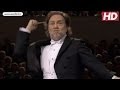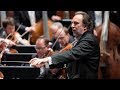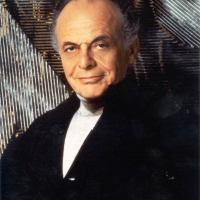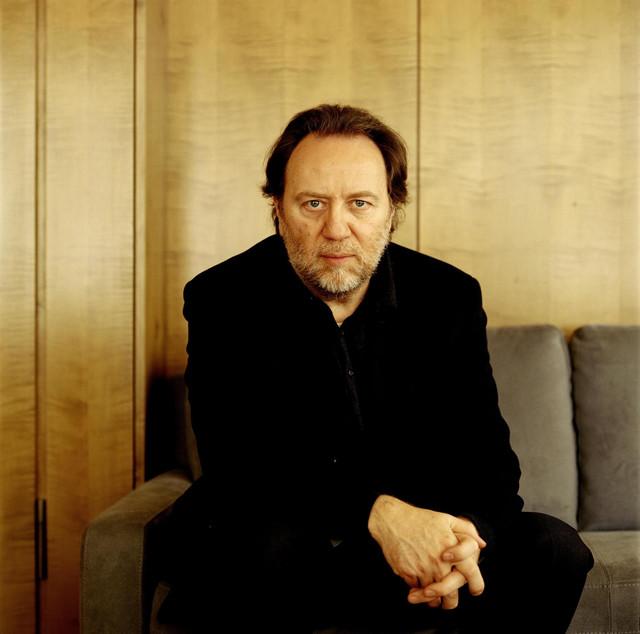
Riccardo Chailly

Classical
Orchestral
Classical Crossover
Opera
 Viberate Rank: 59671
 Viberate Rank: 59671
 Monthly ListenersFollowers
 Subscribers
 Followers
 Followers
 FansTop Spotify SongsTop YouTube Videos
| Video | 7-Day Views | |
|---|---|---|
1 | 464 | |
2 | 229 | |
3 | 183 | |
4 | 78 | |
5 | 67 |
Monthly ListenersFeatured in Playlists| Playlist | Followers | |
|---|---|---|
1 |  Classical Essentials Spotify | 3.82M |
2 |  This Is Beethoven Spotify | 787.35K |
3 |  Epic Classical Spotify | 705.95K |
4 |  Classical Reading Spotify | 634.33K |
5 |  Opera Classics Decca Records US | 376.27K |
Audience| City | Monthly Listeners | |
|---|---|---|
1 |  | 9.81K |
2 |  | 8.70K |
3 |  | 7.36K |
4 |  | 7.00K |
5 |  | 5.34K |
See full performance history, audience data, playlist activity, rankings, comparisons, and more in Viberate music analytics. Start with a free trial, then continue with a paid plan.
Riccardo Chailly’s Spotify BioRiccardo Chailly is a dynamic and sometimes controversial conductor known for his devotion to contemporary music and for his attempts to modernize approaches to the traditional symphonic repertory. His many recordings for the Decca label include modern masterworks by Zemlinsky, Hindemith, and Schnittke, the symphonies of Gustav Mahler, and a number of operas. In 2021, Decca issued a box set of Chailly conducting the complete works of Stravinsky, and he led the La Scala Theater Orchestra in backing Anna Netrebko on her album Amata dalle Tenebre.
Chailly was born in Milan on February 20, 1953. The son of composer Luciano Chailly and an occasional rhythm & blues drummer, Chailly began his conducting career as Claudio Abbado's assistant at La Scala, cutting his teeth on the standard operatic literature. He attained considerable success as an opera conductor in his own right, making guest appearances at London's Covent Garden, the Metropolitan Opera, and numerous Italian and German houses;… he also made several notable recordings, including an Andre Chénier with Luciano Pavarotti. Nevertheless, he decided to focus his energies on symphonic conducting instead, feeling that it offered a wider avenue for artistic exploration. To that end, he became the principal conductor of the Berlin Radio Symphony Orchestra in 1982, eventually leading them on their first North American tour in 1985; he was also the principal guest conductor of the London Philharmonic from 1982 to 1985.
In 1988, the newly rechristened Royal Concertgebouw Orchestra named the 35-year-old Chailly as its chief conductor and artistic director. This would prove to be the defining post of his career, and he would cut back on his touring and operatic engagements to make it the center of his artistic activities. The relationship with both the orchestra and its audience was rocky at first, marked by resentment toward his "modernistic" approach to the works of Bruckner, Mahler, and Brahms. (Among other things, Chailly moved the group away from its signature sound and toward a more flexible palette of orchestral color, adaptable to the needs of each composer.) However, after that adjustment, Chailly assumed a position of confident leadership over the group, maintaining its position as one of Europe's finest ensembles but also establishing it as a source of innovation and fresh perspective. Chailly left the Concertgebouw in 2004, and was replaced by Mariss Jansons.
Chailly was the first music director of the Orchestra symphonica Giuseppe Verdi, serving from 1999 until 2005. In 2005, he assumed a new post with the Leipzig Gewandhaus Orchestra, where he served until 2016. In 2015, Chailly was named music director of La Scala in Milan, and the following year was named to the same role with the Lucerne Festival Orchestra. He has conducted orchestras across Europe and the U.S., including such illustrious groups as the Berlin Philharmonic, the New York Philharmonic, and the Chicago Symphony.
Chailly is a noted champion of Edgard Varèse and Alexander Zemlinsky, both of whom he feels have been under-appreciated. He also maintains an interest in the performance practice of the Baroque era, and in his performances of Bach's St. Matthew Passion, he attempts to balance the sound of the modern orchestra with the style of the period. As an operatic conductor, Chailly has made several notable Rossini recordings, including La Cenerentola, starring Cecilia Bartoli. In 2019, Chailly released an album dedicated to Nino Rota's music for films by Federico Fellini, as well as a La Scala production of Puccini's Madame Butterfly. In 2021, Chailly and the La Scala Theater Orchestra backed soprano Anna Netrebko on the album Amata dalle Tenebre, and Decca issued the Stravinsky Edition box set containing Chailly's recordings of all of that composer's works. That year, the Lucerne Festival Orchestra extended Chailly's contract until 2026. ~ Allen Schrott & Keith Finke, Rovi
Viberate is a music analytics platform built for A&Rs, artist managers, labels, booking agents, marketers, and artists.
It helps music professionals track artist growth, analyze audience data, monitor playlist activity, compare artists, follow song performance, and identify opportunities across the music market.
Public artist pages provide a free preview of selected artist data. Paid plans provide access to deeper analytics, historical data, charts, comparisons, playlist tools, exports, alerts, reports, and additional professional features.
Yes. Public Viberate artist pages provide selected artist analytics and music data for free.
Viberate also offers a 7-day free trial of the full platform. A credit card is required to start the trial. The trial includes access to the complete product so users can test deeper artist analytics, historical views, playlist insights, comparisons, charts, exports, alerts, and reporting features before choosing a paid plan.
Viberate provides artist analytics across streaming, playlists, social media, video, radio airplay, songs, and audience markets.
Users can analyze Spotify performance, Spotify and Apple Music playlists, YouTube activity, TikTok and Instagram growth, radio spins, song performance, audience locations, demographics, rankings, and overall artist momentum.
Artist profiles also connect to music charts, similar artists, and comparison tools, helping users benchmark performance and evaluate artists in context.
Viberate updates key artist and track data daily.
For followed artists and tracks, selected data is refreshed multiple times per day. This helps teams monitor playlist changes, streaming movement, audience growth, releases, and campaign performance with more current data.
Update frequency can vary depending on the metric and data source.
Yes. Viberate lets users compare up to five artists side by side across streaming, social media, audience, and engagement metrics.
Users can compare fanbase growth, audience demographics, locations, Spotify performance, social metrics, and other artist data over selected time periods.
Artist comparison can be used for A&R scouting, benchmarking, booking decisions, campaign planning, and evaluating artists with similar audiences or market positions.