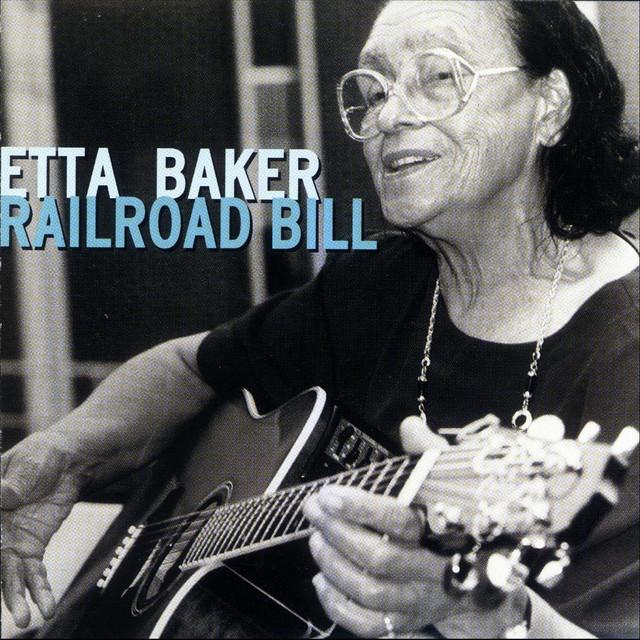
Etta Baker

Blues
Classic Blues
Country Blues
 Viberate Rank: 225200
 Viberate Rank: 225200
 Monthly ListenersFollowers
 Subscribers
 Followers
 Followers
 FansTop Spotify Songs
| Track | 7-Day Streams | |
|---|---|---|
1 | 4.04K | |
2 | 2.34K | |
3 | 663 | |
4 | 579 | |
5 | 546 |
Top YouTube VideosMonthly ListenersFeatured in Playlists| Playlist | Followers | |
|---|---|---|
1 |  Old/Delta Blues (1920s-1960s) Graylon | 52.00K |
2 |  leftist country only🤚🤨 Sophie Brady | 21.86K |
3 | Fallout 76 Radio Expanded Neale Christopher Zeringue | 16.78K |
4 |  FIP Radio (en live) Matthou | 13.27K |
5 |  Old Time & American Folk notduncan | 12.70K |
Audience| City | Monthly Listeners | |
|---|---|---|
1 | | 406 |
2 | | 397 |
3 | | 388 |
4 |  | 382 |
5 | | 367 |
See full performance history, audience data, playlist activity, rankings, comparisons, and more in Viberate music analytics. Start with a free trial, then continue with a paid plan.
Etta Baker’s Spotify BioGuitarist Etta Baker quietly enjoyed one of the blues' most enduring careers, working in almost total obscurity and recording only on the rarest of occasions while honing her craft throughout the greater part of the 20th century. Born in Caldwell County, NC, on March 31, 1913, she was the product of a musical family, taking up the guitar as a child and learning from her father and other relatives traditional blues and folk songs. Over time, Baker emerged among the foremost practitioners of acoustic Piedmont guitar fingerpicking, an open-tuned style not far removed from bluegrass banjo picking; however, for decades only relatives and friends ever heard her play, as she confined her performances solely to family gatherings and parties. She finally made her initial recordings in 1956, joining her father and other family members on a field recording titled Instrumental Music of the Southern Appalachians; she again faded into willful obscurity, however, raising her nine children and toiling… in a textile mill. Finally, while in her sixties -- at an age at which most performers consider retirement -- Baker finally began pursuing music professionally, hitting the folk and blues festival circuit. In 1991 -- 35 years after her debut recording -- she issued the album One-Dime Blues and continued performing live throughout the decade to follow, returning in 1999 with Railroad Bill. Baker died on September 23, 2006, at the age of 93 just months before her final album was to be released. ~ Jason Ankeny, Rovi
Viberate is a music analytics platform built for A&Rs, artist managers, labels, booking agents, marketers, and artists.
It helps music professionals track artist growth, analyze audience data, monitor playlist activity, compare artists, follow song performance, and identify opportunities across the music market.
Public artist pages provide a free preview of selected artist data. Paid plans provide access to deeper analytics, historical data, charts, comparisons, playlist tools, exports, alerts, reports, and additional professional features.
Yes. Public Viberate artist pages provide selected artist analytics and music data for free.
Viberate also offers a 7-day free trial of the full platform. A credit card is required to start the trial. The trial includes access to the complete product so users can test deeper artist analytics, historical views, playlist insights, comparisons, charts, exports, alerts, and reporting features before choosing a paid plan.
Viberate provides artist analytics across streaming, playlists, social media, video, radio airplay, songs, and audience markets.
Users can analyze Spotify performance, Spotify and Apple Music playlists, YouTube activity, TikTok and Instagram growth, radio spins, song performance, audience locations, demographics, rankings, and overall artist momentum.
Artist profiles also connect to music charts, similar artists, and comparison tools, helping users benchmark performance and evaluate artists in context.
Viberate updates key artist and track data daily.
For followed artists and tracks, selected data is refreshed multiple times per day. This helps teams monitor playlist changes, streaming movement, audience growth, releases, and campaign performance with more current data.
Update frequency can vary depending on the metric and data source.
Yes. Viberate lets users compare up to five artists side by side across streaming, social media, audience, and engagement metrics.
Users can compare fanbase growth, audience demographics, locations, Spotify performance, social metrics, and other artist data over selected time periods.
Artist comparison can be used for A&R scouting, benchmarking, booking decisions, campaign planning, and evaluating artists with similar audiences or market positions.