Peter Lang

Blues
Classic Blues
Classical Crossover
 Viberate Rank: 328906
 Viberate Rank: 328906
 Monthly ListenersFollowers
 Subscribers
 Followers
 Followers
 FansTop Spotify Songs
| Track | 7-Day Streams | |
|---|---|---|
1 | 438 | |
2 | 380 | |
3 | 380 | |
4 | 380 | |
5 | 274 |
Top YouTube VideosMonthly ListenersFeatured in Playlists| Playlist | Followers | |
|---|---|---|
1 |  Dobro, Slide Guitar, Lap Steel Marcos Federico Ayguavella | 2.75K |
2 | Spanish & Acoustic Guitar lewisphillipdean | 2.00K |
3 | Instrumental acoustic slide guitar songs EarlyBert | 1.98K |
4 |  The Sound of Drone Folk The Sounds of Spotify | 1.50K |
5 |  chill folk instrumentals bcligo | 1.31K |
Audience| City | Monthly Listeners | |
|---|---|---|
1 | | 48 |
2 | | 43 |
3 |  | 43 |
4 | | 42 |
5 | | 36 |
See full performance history, audience data, playlist activity, rankings, comparisons, and more in Viberate music analytics. Start with a free trial, then continue with a paid plan.
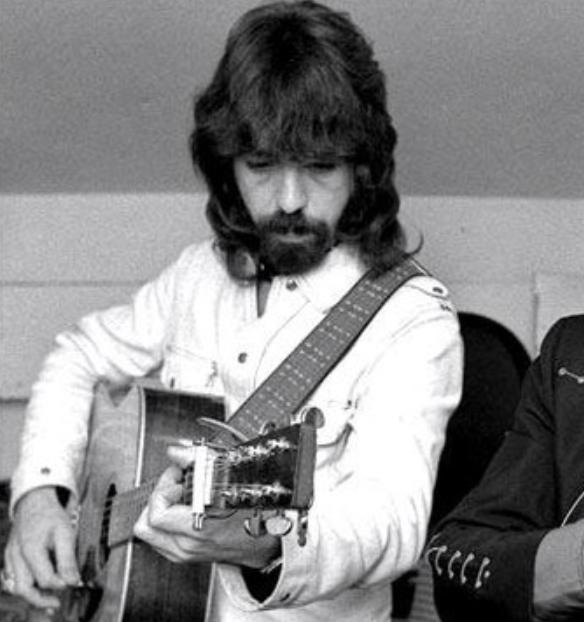
Peter Lang’s Spotify BioFingerstyle guitarist Peter Lang was among the many discoveries and disciples of the pioneering John Fahey, whose Takoma label issued Lang's cult-classic 1973 debut LP, The Thing at the Nursery Room Window. Born and raised in Minnesota, Lang was in middle school when a friend invited him to a Minneapolis coffeehouse for a performance by folk revival trio Koerner, Ray & Glover. Dave Ray's picking style would prove the most profound influence on his own guitar playing, and through the music of another Minnesota legend, Bob Dylan, he further traced the roots of contemporary folk music back to America's prewar country and blues. Lang's technical acumen, melodic imagination, and profound grasp of the blues inevitably brought him to the attention of American Primitive icon Fahey, who in 1973 issued The Thing at the Nursery Room Window. A year later, Takoma also released a compilation featuring Fahey, Lang, and fellow fingerstyle virtuoso Leo Kottke. Lang issued his next LP, the… Grammy-nominated Lycurgus, on the Flying Fish imprint in 1975, followed two years later by the Waterhouse release Back to the Wall. Fame and fortune eluded him, however, and upon returning from a six-week East Coast tour $600 in the hole, he agreed to give up performing in search of steady employment. Apart from co-authoring the 1982 book 20th Century Masters of Finger-Style Guitar with John Stropes, Lang spent close to two decades outside of the music industry, working in film and animation until 1999, when he began work on his 2001 comeback LP, Dharma Blues, released via his own Horus label. The follow-up, Guitar, hit retail in 2004. ~ Jason Ankeny, Rovi
Viberate is a music analytics platform built for A&Rs, artist managers, labels, booking agents, marketers, and artists.
It helps music professionals track artist growth, analyze audience data, monitor playlist activity, compare artists, follow song performance, and identify opportunities across the music market.
Public artist pages provide a free preview of selected artist data. Paid plans provide access to deeper analytics, historical data, charts, comparisons, playlist tools, exports, alerts, reports, and additional professional features.
Yes. Public Viberate artist pages provide selected artist analytics and music data for free.
Viberate also offers a 7-day free trial of the full platform. A credit card is required to start the trial. The trial includes access to the complete product so users can test deeper artist analytics, historical views, playlist insights, comparisons, charts, exports, alerts, and reporting features before choosing a paid plan.
Viberate provides artist analytics across streaming, playlists, social media, video, radio airplay, songs, and audience markets.
Users can analyze Spotify performance, Spotify and Apple Music playlists, YouTube activity, TikTok and Instagram growth, radio spins, song performance, audience locations, demographics, rankings, and overall artist momentum.
Artist profiles also connect to music charts, similar artists, and comparison tools, helping users benchmark performance and evaluate artists in context.
Viberate updates key artist and track data daily.
For followed artists and tracks, selected data is refreshed multiple times per day. This helps teams monitor playlist changes, streaming movement, audience growth, releases, and campaign performance with more current data.
Update frequency can vary depending on the metric and data source.
Yes. Viberate lets users compare up to five artists side by side across streaming, social media, audience, and engagement metrics.
Users can compare fanbase growth, audience demographics, locations, Spotify performance, social metrics, and other artist data over selected time periods.
Artist comparison can be used for A&R scouting, benchmarking, booking decisions, campaign planning, and evaluating artists with similar audiences or market positions.