Elizabeth Cotten

Rock
Folk Rock
Country Blues
 Viberate Rank: 103126
 Viberate Rank: 103126
 Monthly ListenersFollowers
 Subscribers
 Followers
 Followers
 FansTop Spotify Songs
| Track | 7-Day Streams | |
|---|---|---|
1 | 14.27K | |
2 | 12.72K | |
3 | 11.27K | |
4 | 5.43K | |
5 | 4.96K |
Top YouTube VideosMonthly ListenersFeatured in Playlists| Playlist | Followers | |
|---|---|---|
1 | Ignatious Pop 1 | 654.48K |
2 |  Women of Folk Spotify | 336.54K |
3 |  Big Little Lies Official Playlist Spotify | 138.21K |
4 |  Indie Folk Chill CaffeinatedFox | 97.50K |
5 |  Bluegrass Origins Spotify | 93.87K |
Audience| City | Monthly Listeners | |
|---|---|---|
1 | | 2.07K |
2 |  | 1.94K |
3 | | 1.86K |
4 | | 1.77K |
5 | | 1.50K |
See full performance history, audience data, playlist activity, rankings, comparisons, and more in Viberate music analytics. Start with a free trial, then continue with a paid plan.
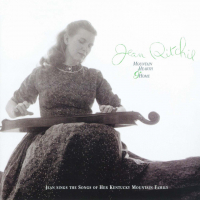
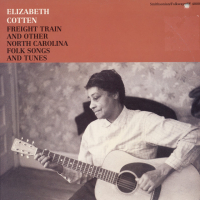
Elizabeth Cotten’s Spotify BioElizabeth Cotten (1895-1987), best known for her timeless song "Freight Train," built her musical legacy on a foundation of late 19th- and early 20th-century African American instrumental traditions. Through her songwriting and her unique left-handed guitar and banjo styles, she inspired and influenced generations of younger artists. In 1984 Cotten was declared a National Heritage Fellow by the National Endowment for the Arts and was later recognized by the Smithsonian Institution as a "living treasure." She received a Grammy Award in 1985 when she was 90, almost 80 years after she first began composing her own works.
Born in Chapel Hill, North Carolina, Cotten taught herself how to play the banjo and guitar at an early age, fretting the strings with her right hand and picking the bass strings with her fingers and the treble (melody strings) with her thumb; a unique method that came to be known as the "Cotten style."
A chance encounter with the Seeger family led to Cotten's employment in… their home, where Peggy first heard Cotten play guitar. After Mike recorded some of her work, Cotten found herself giving small concerts in the homes of congressmen and senators, including that of John F. Kennedy. By 1958, at the age of 62, Cotten had recorded her incredibly influential first album, 'Elizabeth Cotten: Negro Folk Songs and Tunes.' Her music swiftly became a staple of the folk revival of the 1960s. She continued to tour and perform right up to the end of her life.
Viberate is a music analytics platform built for A&Rs, artist managers, labels, booking agents, marketers, and artists.
It helps music professionals track artist growth, analyze audience data, monitor playlist activity, compare artists, follow song performance, and identify opportunities across the music market.
Public artist pages provide a free preview of selected artist data. Paid plans provide access to deeper analytics, historical data, charts, comparisons, playlist tools, exports, alerts, reports, and additional professional features.
Yes. Public Viberate artist pages provide selected artist analytics and music data for free.
Viberate also offers a 7-day free trial of the full platform. A credit card is required to start the trial. The trial includes access to the complete product so users can test deeper artist analytics, historical views, playlist insights, comparisons, charts, exports, alerts, and reporting features before choosing a paid plan.
Viberate provides artist analytics across streaming, playlists, social media, video, radio airplay, songs, and audience markets.
Users can analyze Spotify performance, Spotify and Apple Music playlists, YouTube activity, TikTok and Instagram growth, radio spins, song performance, audience locations, demographics, rankings, and overall artist momentum.
Artist profiles also connect to music charts, similar artists, and comparison tools, helping users benchmark performance and evaluate artists in context.
Viberate updates key artist and track data daily.
For followed artists and tracks, selected data is refreshed multiple times per day. This helps teams monitor playlist changes, streaming movement, audience growth, releases, and campaign performance with more current data.
Update frequency can vary depending on the metric and data source.
Yes. Viberate lets users compare up to five artists side by side across streaming, social media, audience, and engagement metrics.
Users can compare fanbase growth, audience demographics, locations, Spotify performance, social metrics, and other artist data over selected time periods.
Artist comparison can be used for A&R scouting, benchmarking, booking decisions, campaign planning, and evaluating artists with similar audiences or market positions.