Sylvester Weaver

Blues
Classic Blues
Country Blues
 Viberate Rank: 343579
 Viberate Rank: 343579
 Monthly ListenersFollowers
 Subscribers
 Followers
 Followers
 FansTop Spotify Songs
| Track | 7-Day Streams | |
|---|---|---|
1 | 1.15K | |
2 | 149 | |
3 | 149 | |
4 | 133 | |
5 | 46 |
Top YouTube VideosMonthly ListenersFeatured in Playlists| Playlist | Followers | |
|---|---|---|
1 |  Blues Masters Filtr Legacy Sweden | 226.82K |
2 |  Vintage Halloween (20s-50s) 🎃 Squirrel Potatoes | 7.73K |
3 |  Slide Guitar Masters Alec Wilson | 6.21K |
4 |  Speakeasy Music Garrett Jackson | 5.47K |
5 |  The Jazz Age: Prohibition and the Roaring '20s (1920s & 1930s) R. Connor Montgomery | 4.61K |
Audience| City | Monthly Listeners | |
|---|---|---|
1 | | 63 |
2 |  | 51 |
3 | | 48 |
4 |  | 46 |
5 | | 43 |
See full performance history, audience data, playlist activity, rankings, comparisons, and more in Viberate music analytics. Start with a free trial, then continue with a paid plan.
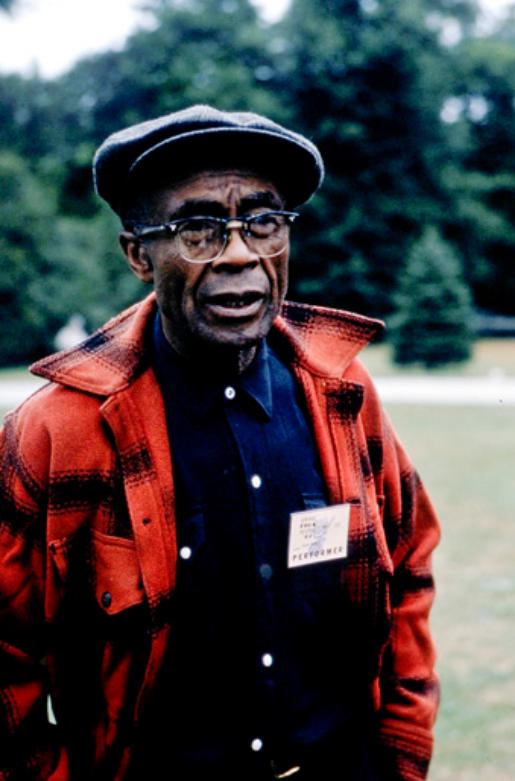
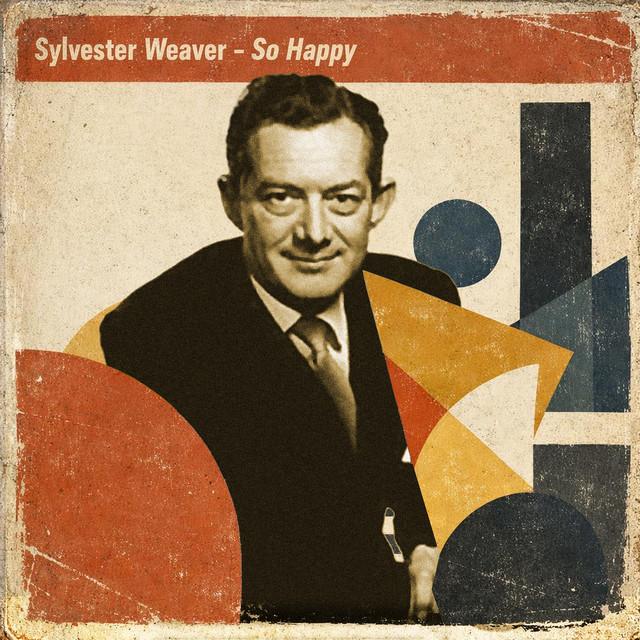
Sylvester Weaver’s Spotify BioSylvester Weaver was a versatile guitarist of Louisville origin who made the first solo recordings of blues guitar playing. Information is lacking on Weaver's early years, though it is not unreasonable to assume that he may have had some connection to the Louisville Jug Bands led by Earl MacDonald and Clifford Hayes. Weaver first turns up in New York in 1923, when he accompanied vaudeville blues singer Sara Martin on two numbers, "Longing for Daddy Blues" and "I've Got to Go and Leave My Daddy Behind," for Okeh. Two weeks later, Weaver cut his first pair of solo recordings, "Guitar Blues" and "Guitar Rag," for Okeh.
The Sara Martin selections represented the first time on record that a popular female singer had been backed up solely by guitar and were an immediate success. Weaver would be assigned to cut 25 more selections accompanying Martin in the years through 1927. As to the fate of Weaver's own first recorded solos, they were equally well-received and would prove massively… influential in the country market. "Guitar Rag" was later reinvented by Bob Wills into "Steel Guitar Rag" and became a country standard. Through the end of 1927, when Weaver decided to retire from music altogether, he recorded a total of 26 solo sides, and on some of the later ones he was joined by another guitarist, Walter Beasley. In addition to his own solo selections Weaver made four recordings in accompaniment to Beasley. All of the issued songs were avidly snapped up by customers in the rural mail order market, and both the Weaver solo items and the Weaver and Beasley records were well-known to string band musicians in the American south and west. Sylvester Weaver's work lies stylistically between blues and country music, and he had considerable impact on both musical fronts; among his recorded solos he made both a banjo record and several solos which make use of a bottleneck style slide (probably a pocketknife in Weaver's case). Although four of Weaver's pieces, including the banjo solo, were rejected by Okeh, all but one of these have been recovered and issued since.
After his heady days in New York had ended, Weaver returned to Louisville and entered another line of work. He was almost totally forgotten by the time he died in 1960. One player who did know of him was Lonnie Johnson, who remembered him as a good player, outstanding songwriter, and somebody who deserved a great deal more credit for his efforts than he received in his lifetime. In 1992 the Kentucky Blues Society raised enough funds to place a headstone on his grave, and this same organization presents its Sylvester Weaver Award annually to "those who have dedicated their lives to presenting, preserving, and perpetuating the blues." ~ Uncle Dave Lewis
Viberate is a music analytics platform built for A&Rs, artist managers, labels, booking agents, marketers, and artists.
It helps music professionals track artist growth, analyze audience data, monitor playlist activity, compare artists, follow song performance, and identify opportunities across the music market.
Public artist pages provide a free preview of selected artist data. Paid plans provide access to deeper analytics, historical data, charts, comparisons, playlist tools, exports, alerts, reports, and additional professional features.
Yes. Public Viberate artist pages provide selected artist analytics and music data for free.
Viberate also offers a 7-day free trial of the full platform. A credit card is required to start the trial. The trial includes access to the complete product so users can test deeper artist analytics, historical views, playlist insights, comparisons, charts, exports, alerts, and reporting features before choosing a paid plan.
Viberate provides artist analytics across streaming, playlists, social media, video, radio airplay, songs, and audience markets.
Users can analyze Spotify performance, Spotify and Apple Music playlists, YouTube activity, TikTok and Instagram growth, radio spins, song performance, audience locations, demographics, rankings, and overall artist momentum.
Artist profiles also connect to music charts, similar artists, and comparison tools, helping users benchmark performance and evaluate artists in context.
Viberate updates key artist and track data daily.
For followed artists and tracks, selected data is refreshed multiple times per day. This helps teams monitor playlist changes, streaming movement, audience growth, releases, and campaign performance with more current data.
Update frequency can vary depending on the metric and data source.
Yes. Viberate lets users compare up to five artists side by side across streaming, social media, audience, and engagement metrics.
Users can compare fanbase growth, audience demographics, locations, Spotify performance, social metrics, and other artist data over selected time periods.
Artist comparison can be used for A&R scouting, benchmarking, booking decisions, campaign planning, and evaluating artists with similar audiences or market positions.