Ethel Smyth

Classical
Classical Crossover
Orchestral
 Viberate Rank: 283034
 Viberate Rank: 283034
 Monthly ListenersFollowers
 Subscribers
 Followers
 Followers
 FansTop Spotify SongsTop YouTube VideosMonthly ListenersFeatured in Playlists
| Playlist | Followers | |
|---|---|---|
1 |  Opera Classics Spotify | 605.55K |
2 |  Feel Good Classical Spotify | 283.12K |
3 |  Keyscapes DeLange | 18.59K |
4 |  Year of Wonder : Classical Music for Every Day - Clemency Burton-Hill lilham | 16.11K |
5 | 1200 Years of Women Composers Ulysses' Classical | 14.93K |
Audience| City | Monthly Listeners | |
|---|---|---|
1 | | 152 |
2 |  | 116 |
3 | | 87 |
4 |  | 79 |
5 | | 78 |
See full performance history, audience data, playlist activity, rankings, comparisons, and more in Viberate music analytics. Start with a free trial, then continue with a paid plan.
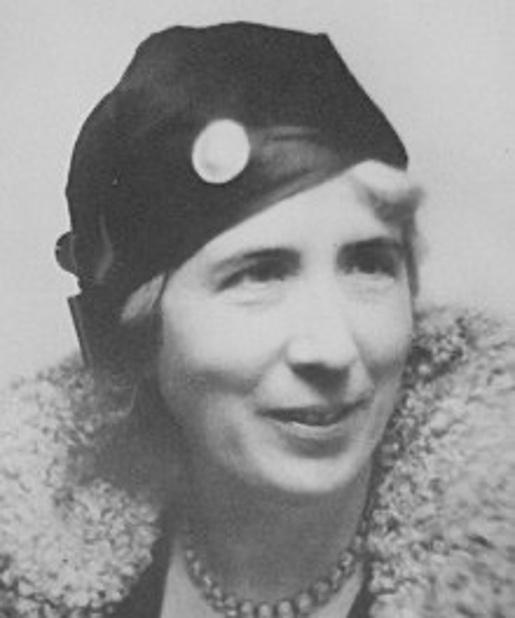
Ethel Smyth’s Spotify BioA child prodigy as a pianist, Ethel Smyth was a pioneer among female composers in England. She faced considerable gender discrimination over her long career but was supported by Arthur Sullivan and others. Smyth had broad interests outside music, including sports and the cause of women's suffrage, serving a prison term in connection with the latter. She had a large compositional output in most major genres; much of it awaits recording, but a dozen recordings featuring works by Smyth appeared between 2021 and 2024.
Smyth was born in Sidcup, now part of London, on April 22, 1858. Her father, a military officer, strongly opposed her musical ambitions, but she showed major talent on the piano as a youngster and was composing by age ten. Smyth finally prevailed upon her father to allow her to study in Germany, where she attended the Leipzig Conservatory and later studied with composer Heinrich von Herzogenberg. She met both Brahms and Clara Schumann; both influenced her music, but her style… is not derivative. Back in England, she was encouraged by Sullivan and composed a Mass in D, which was performed at the Royal Albert Hall in 1893 under the sponsorship of Queen Victoria. Smyth objected to the patronizing tone of some reviewers, including George Bernard Shaw; she continued to face charges of writing overly masculine music when she essayed larger forms and of being overly feminine when she didn't. The Mass in D, however, saw further performances in the first half of the 20th century and has been recorded several times, first by the Plymouth Music Series Orchestra in 1991.
Another Smyth success was the opera The Wreckers, originally composed in French as Les naufrageurs and first performed in German translation in 1906. Smyth co-wrote the libretto, a dark Romantic tale of Cornish villagers luring ships to destruction, with her friend Henry Brewster. A recording of the opera appeared in 1994 on the Conifer label, and it has been performed in recent years by major companies, including the Houston Grand Opera. Smyth's earlier opera, Der Wald (1903), was mounted at the Metropolitan Opera in New York and remained the only opera by a woman produced there until Kaija Saariaho's L'Amour de loin in 2016.
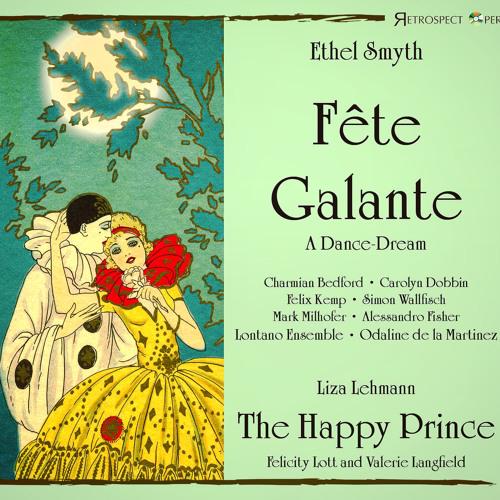
Smyth wrote works in many genres, including four other operas, a ballet, Fête galante, sacred and secular choral works, orchestral music, including a concerto for violin and horn, six string quartets, a variety of other chamber music, three piano sonatas and other piano and organ music, more than 20 songs, and a brass band fanfare, Hot Potatoes. Much of her music remains unrecorded, although it has become more popular in the 21st century; by the mid-2020s, recordings existed for some 40 of her works. Outside of music, Smyth was a writer, an ardent women's suffrage supporter, and an avid golfer whose ashes were scattered, at her request, in the woods abutting the Woking Golf Club. Smyth had a colorful personal life that included both female and male lovers, as well as an unrequited crush on writer Virginia Woolf, who said that the experience was like being caught by a giant crab. Smyth died in Woking on May 8, 1944. ~ James Manheim, Rovi
Viberate is a music analytics platform built for A&Rs, artist managers, labels, booking agents, marketers, and artists.
It helps music professionals track artist growth, analyze audience data, monitor playlist activity, compare artists, follow song performance, and identify opportunities across the music market.
Public artist pages provide a free preview of selected artist data. Paid plans provide access to deeper analytics, historical data, charts, comparisons, playlist tools, exports, alerts, reports, and additional professional features.
Yes. Public Viberate artist pages provide selected artist analytics and music data for free.
Viberate also offers a 7-day free trial of the full platform. A credit card is required to start the trial. The trial includes access to the complete product so users can test deeper artist analytics, historical views, playlist insights, comparisons, charts, exports, alerts, and reporting features before choosing a paid plan.
Viberate provides artist analytics across streaming, playlists, social media, video, radio airplay, songs, and audience markets.
Users can analyze Spotify performance, Spotify and Apple Music playlists, YouTube activity, TikTok and Instagram growth, radio spins, song performance, audience locations, demographics, rankings, and overall artist momentum.
Artist profiles also connect to music charts, similar artists, and comparison tools, helping users benchmark performance and evaluate artists in context.
Viberate updates key artist and track data daily.
For followed artists and tracks, selected data is refreshed multiple times per day. This helps teams monitor playlist changes, streaming movement, audience growth, releases, and campaign performance with more current data.
Update frequency can vary depending on the metric and data source.
Yes. Viberate lets users compare up to five artists side by side across streaming, social media, audience, and engagement metrics.
Users can compare fanbase growth, audience demographics, locations, Spotify performance, social metrics, and other artist data over selected time periods.
Artist comparison can be used for A&R scouting, benchmarking, booking decisions, campaign planning, and evaluating artists with similar audiences or market positions.