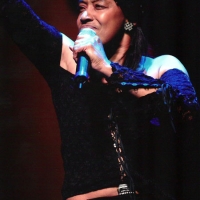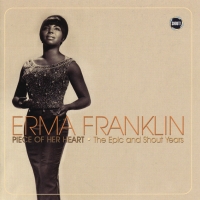
Erma Franklin

R&B
Funk
Contemporary R&B
Soul
 Viberate Rank: 82466
 Viberate Rank: 82466
 Monthly ListenersFollowers
 Subscribers
 Followers
 Followers
 FansTop Spotify Songs
| Track | 7-Day Streams | |
|---|---|---|
1 | 101.01K | |
2 | 3.45K | |
3 | 2.29K | |
4 | 1.14K | |
5 | 998 |
Top YouTube VideosMonthly ListenersFeatured in Playlists| Playlist | Followers | |
|---|---|---|
1 |  All Out 60s Spotify | 3.19M |
2 |  The Black Power Mixtape 1967–1975 Spotify | 834.24K |
3 |  Soft 60s Spotify | 663.64K |
4 |  1960s Hits 💥 Classics Filtr Sweden | 317.51K |
5 |  60s Love Songs Spotify | 267.94K |
Audience| City | Monthly Listeners | |
|---|---|---|
1 |  | 7.25K |
2 |  | 3.44K |
3 |  | 3.35K |
4 | | 3.16K |
5 |  | 3.07K |
See full performance history, audience data, playlist activity, rankings, comparisons, and more in Viberate music analytics. Start with a free trial, then continue with a paid plan.
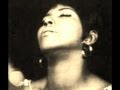
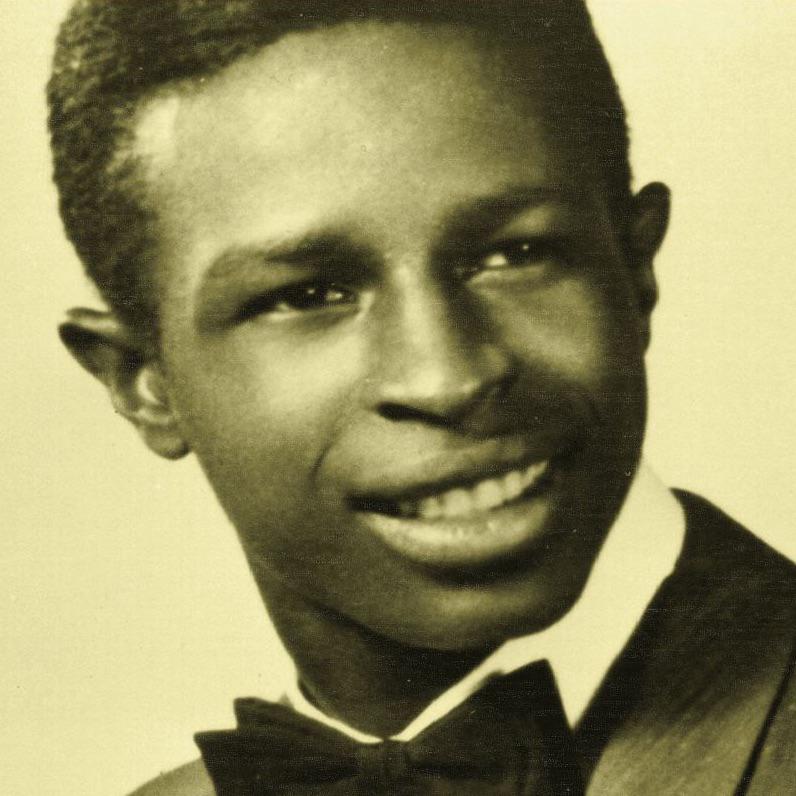
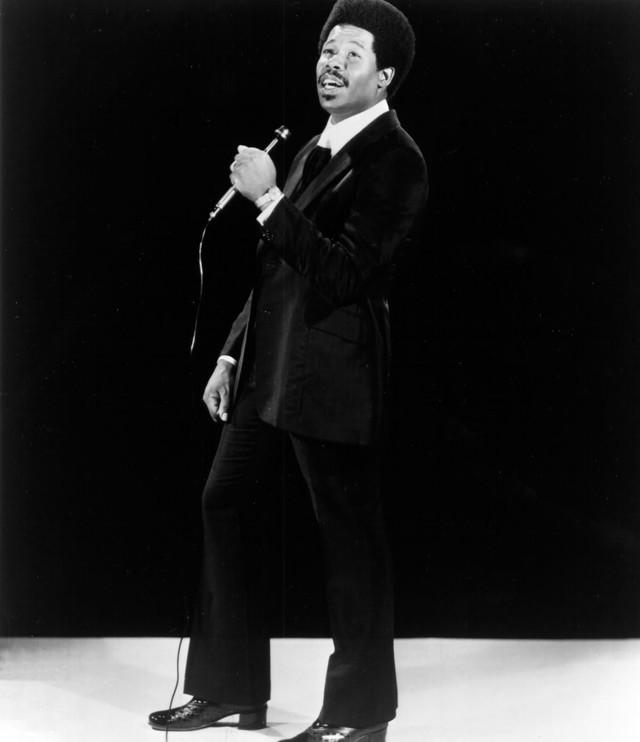
Erma Franklin’s Spotify BioErma Franklin's musical accomplishments will forever be overshadowed by those of her younger sister Aretha, especially since she recorded very sporadically through the '60s. As a singer in her own right, Franklin is best known for recording the original version of "Piece of My Heart," which of course became one of Janis Joplin's signature tunes in a much different arrangement. Franklin was born March 13, 1938, in Shelby, MS, and moved with her family to Memphis, Buffalo (where she made her singing debut in her father's church at age five), and finally Detroit. She sang with sisters Aretha and Carolyn in their church choir, and during high school performed with a vocal group called the Cleo-Patrettes, which won a state talent contest and recorded for the small Detroit label JVB. The Cleo-Patrettes broke up after high school, and Franklin toured with her father's gospel group for two years; she subsequently had chances to record for Chess and to join Motown's early roster, but wound up… following her father's wishes that she attend college before trying a singing career.
Franklin successfully auditioned for Epic in 1961, and moved to New York to record. Aretha was on the parent label Columbia at the time, and Erma had much the same problem as her sister, namely that pure R&B wasn't the label's area of expertise, and they simply didn't know how to handle her. Franklin's debut album, Her Name Is Erma, appeared in 1962, and featured jazz and pop standards as well as R&B tunes; one of several commercially ignored singles, "Abracadabra," was written by Van McCoy, later of "The Hustle" fame. Frustrated with Epic's choice of directions for her, Franklin waited out her contract while spending 1961-1966 on the road as a featured vocalist in New Orleans R&B legend Lloyd Price's show.
When Aretha's career suddenly took off at Atlantic, Franklin signed with producer/songwriter Bert Berns' Shout Records in 1967. "Piece of My Heart," a song Berns had co-written with Jerry Ragovoy, became Franklin's first Top Ten R&B hit later that year; unfortunately, before Franklin could begin work on a proper LP, Berns died suddenly of a heart attack, throwing the company into chaos. In the meantime, Franklin backed her sister on many Atlantic recordings, and toured the U.S. and Europe behind "Piece of My Heart." She signed with Brunswick in 1969 and scored a minor R&B hit with "Gotta Find Me a Lover (24 Hours a Day)," also releasing her second LP, Soul Sister. But once again, Franklin found herself with a label that didn't know what to do with her; after Brunswick nixed a proposed session with Aretha in the producer's chair, Franklin waited out her contract and moved back to Detroit in 1972 to work at a public relations firm. She performed with Aretha off and on through the '80s and '90s, and eventually took an upper-level job at the Boysville children's charity. Franklin's original recording of "Piece of My Heart" enjoyed an early-'90s revival in Europe, where it was featured in a jeans commercial. Franklin passed away on September 7, 2002, after a battle with cancer. ~ Steve Huey, Rovi
Viberate is a music analytics platform built for A&Rs, artist managers, labels, booking agents, marketers, and artists.
It helps music professionals track artist growth, analyze audience data, monitor playlist activity, compare artists, follow song performance, and identify opportunities across the music market.
Public artist pages provide a free preview of selected artist data. Paid plans provide access to deeper analytics, historical data, charts, comparisons, playlist tools, exports, alerts, reports, and additional professional features.
Yes. Public Viberate artist pages provide selected artist analytics and music data for free.
Viberate also offers a 7-day free trial of the full platform. A credit card is required to start the trial. The trial includes access to the complete product so users can test deeper artist analytics, historical views, playlist insights, comparisons, charts, exports, alerts, and reporting features before choosing a paid plan.
Viberate provides artist analytics across streaming, playlists, social media, video, radio airplay, songs, and audience markets.
Users can analyze Spotify performance, Spotify and Apple Music playlists, YouTube activity, TikTok and Instagram growth, radio spins, song performance, audience locations, demographics, rankings, and overall artist momentum.
Artist profiles also connect to music charts, similar artists, and comparison tools, helping users benchmark performance and evaluate artists in context.
Viberate updates key artist and track data daily.
For followed artists and tracks, selected data is refreshed multiple times per day. This helps teams monitor playlist changes, streaming movement, audience growth, releases, and campaign performance with more current data.
Update frequency can vary depending on the metric and data source.
Yes. Viberate lets users compare up to five artists side by side across streaming, social media, audience, and engagement metrics.
Users can compare fanbase growth, audience demographics, locations, Spotify performance, social metrics, and other artist data over selected time periods.
Artist comparison can be used for A&R scouting, benchmarking, booking decisions, campaign planning, and evaluating artists with similar audiences or market positions.