Buddy Miles

R&B
Funk
Funk Rock
 Viberate Rank: 83516
 Viberate Rank: 83516
 Monthly ListenersFollowers
 Subscribers
 Followers
 Followers
 FansTop Spotify Songs
| Track | 7-Day Streams | |
|---|---|---|
1 | 27.15K | |
2 | 24.84K | |
3 | 7.78K | |
4 | 4.77K | |
5 | 2.65K |
Top YouTube VideosMonthly ListenersFeatured in Playlists| Playlist | Followers | |
|---|---|---|
1 |  The American Dream ✨ The Sandlot Vintage | 64.97K |
2 |  Sexy Blues Jarel Kingsberry | 47.35K |
3 | dalys | 43.81K |
4 |  Blues Ballads/ Slow Blues Joar Fosså | 39.54K |
5 |  Indications' Inspirations Durand Jones & The Indications | 35.68K |
Audience| City | Monthly Listeners | |
|---|---|---|
1 | | 2.38K |
2 | | 2.26K |
3 |  | 2.20K |
4 | | 2.12K |
5 |  | 1.72K |
See full performance history, audience data, playlist activity, rankings, comparisons, and more in Viberate music analytics. Start with a free trial, then continue with a paid plan.
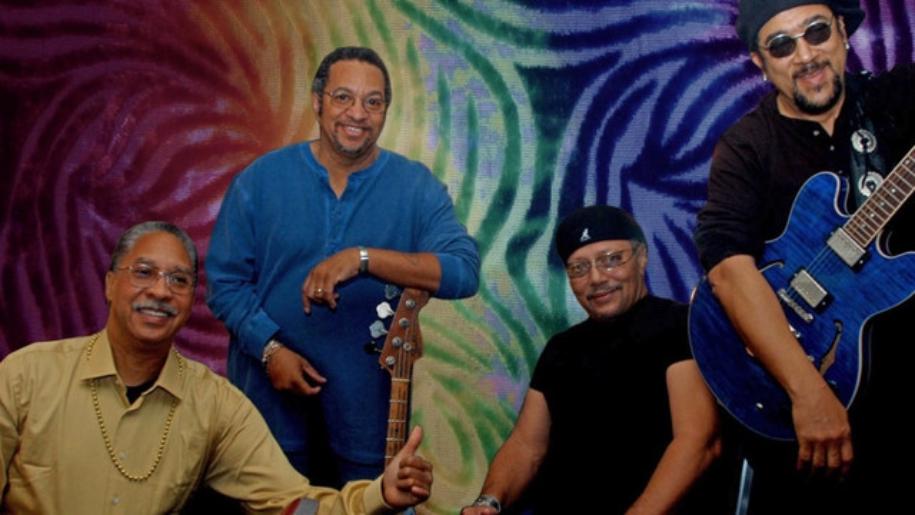
Buddy Miles’ Spotify BioBest known as the drummer in Jimi Hendrix's Band of Gypsys, Buddy Miles also had a lengthy solo career that drew from rock, blues, soul, and funk in varying combinations. Born George Miles in Omaha, Nebraska, on September 5, 1947, he started playing the drums at age nine, and joined his father's jazz band the Bebops at a mere 12 years old. As a teenager, he went on to play with several jazz and R&B outfits, most prominently backing vocal groups like Ruby & the Romantics, the Ink Spots, and the Delfonics. In 1966, he joined Wilson Pickett's touring revue, where he was spotted by blues-rock guitarist Mike Bloomfield. Bloomfield had left the Paul Butterfield Blues Band earlier in 1967 and was putting together a new group, the Electric Flag, which was slated to be an ambitious fusion of rock, soul, blues, psychedelia, and jazz. Bloomfield invited Miles to join, and the band made its debut at the Monterey Pop Festival; unfortunately, the original lineup splintered in 1968. With founder Bloo…mfield gone, Miles briefly took over leadership of the band on its second studio album, which failed to reignite the public's interest.
With the Electric Flag's horn section in tow, Miles split to form his own group, the similarly eclectic Buddy Miles Express. Signed to Mercury, the group issued its debut album, Expressway to Your Skull, in 1968, with Miles' fellow Monterey Pop alum Jimi Hendrix in the producer's chair. In turn, Miles played on Hendrix's Electric Ladyland album, and later took part in an all-star jam session that resulted in Muddy Waters' Fathers and Sons album. Hendrix also produced the Miles Express' follow-up, 1969's Electric Church, and disbanded his backing band the Experience later that year; shortly afterward, Hendrix, Miles, and bassist Billy Cox formed Band of Gypsys, one of the first all-Black rock bands. Bluesier and funkier than Hendrix's previous work, Band of Gypsys didn't last long in its original incarnation; Miles departed in 1970, replaced by Experience drummer Mitch Mitchell, but not before his powerhouse work was showcased on the group's lone album, the live Band of Gypsys.
After backing John McLaughlin on 1970's Devotion, Miles returned to the role of bandleader and recorded his most popular album, Them Changes, in 1971; it stayed on the charts for more than a year, and the title cut became Miles' signature song. From December 1971 to April 1972, Miles toured with Carlos Santana, which produced the CBS-released concert document Carlos Santana & Buddy Miles! Live!; recorded inside an inactive volcano in Hawaii, the album sold very well, climbing into the Top Ten. Miles cut a few more albums for CBS, participated in a short-lived Electric Flag reunion in 1974, then moved to Casablanca in 1975 for a pair of LPs. Aside from a one-off album for Atlantic in 1981 (Sneak Attack), Miles kept a low profile over the next decade, partly to battle personal problems.
Miles returned in 1986 as the lead voice in a TV ad campaign that featured clay-animated raisins singing "I Heard It Through the Grapevine"; the ads proved so popular that a kid-friendly musical franchise was spun off, and thus Miles became the lead singer of the California Raisins, performing on two albums (mostly R&B covers) and a Christmas special. Additionally, Miles rejoined his old friend Carlos Santana as the official lead vocalist of Santana during part of the late '80s, making his studio debut on 1987's Freedom. In the early '90s, Miles played with Bootsy Collins (both solo and as members of Hardware), and in 1994 he formed a new version of the Express and recorded Hell and Back for Rykodisc. Miles Away from Home followed in 1997 on Hip-O. He toured steadily throughout the '90s, and subsequently formed a more straightforward blues band called the Blues Berries with guitarist Rocky Athas; their first album, Blues Berries, appeared on Ruf in 2002. ~ Steve Huey, Rovi
Viberate is a music analytics platform built for A&Rs, artist managers, labels, booking agents, marketers, and artists.
It helps music professionals track artist growth, analyze audience data, monitor playlist activity, compare artists, follow song performance, and identify opportunities across the music market.
Public artist pages provide a free preview of selected artist data. Paid plans provide access to deeper analytics, historical data, charts, comparisons, playlist tools, exports, alerts, reports, and additional professional features.
Yes. Public Viberate artist pages provide selected artist analytics and music data for free.
Viberate also offers a 7-day free trial of the full platform. A credit card is required to start the trial. The trial includes access to the complete product so users can test deeper artist analytics, historical views, playlist insights, comparisons, charts, exports, alerts, and reporting features before choosing a paid plan.
Viberate provides artist analytics across streaming, playlists, social media, video, radio airplay, songs, and audience markets.
Users can analyze Spotify performance, Spotify and Apple Music playlists, YouTube activity, TikTok and Instagram growth, radio spins, song performance, audience locations, demographics, rankings, and overall artist momentum.
Artist profiles also connect to music charts, similar artists, and comparison tools, helping users benchmark performance and evaluate artists in context.
Viberate updates key artist and track data daily.
For followed artists and tracks, selected data is refreshed multiple times per day. This helps teams monitor playlist changes, streaming movement, audience growth, releases, and campaign performance with more current data.
Update frequency can vary depending on the metric and data source.
Yes. Viberate lets users compare up to five artists side by side across streaming, social media, audience, and engagement metrics.
Users can compare fanbase growth, audience demographics, locations, Spotify performance, social metrics, and other artist data over selected time periods.
Artist comparison can be used for A&R scouting, benchmarking, booking decisions, campaign planning, and evaluating artists with similar audiences or market positions.