Electric Eels

Rock
Garage Rock
Punk Rock
 Viberate Rank: 352579
 Viberate Rank: 352579
 Monthly ListenersFollowers
 Subscribers
 Followers
 Followers
 FansTop Spotify Songs
| Track | 7-Day Streams | |
|---|---|---|
1 | 394 | |
2 | 345 | |
3 | 66 | |
4 | 60 | |
5 | 54 |
Top YouTube VideosMonthly ListenersFeatured in Playlists| Playlist | Followers | |
|---|---|---|
1 |  The Evolution of Punk (In Chronological Order) kingfirley | 16.18K |
2 | British Punk Rock (1976 - Present) Punkyn | 14.78K |
3 |  Soul Jazz Records Martin Abrams | 5.42K |
4 |  The Sound of Protopunk The Sounds of Spotify | 3.87K |
5 |  Henry Rollins KCRW radioshow Roadrunner Music | 3.56K |
Audience| City | Monthly Listeners | |
|---|---|---|
1 | | 48 |
2 | | 30 |
3 | | 27 |
4 |  | 27 |
5 | | 24 |
See full performance history, audience data, playlist activity, rankings, comparisons, and more in Viberate music analytics. Start with a free trial, then continue with a paid plan.
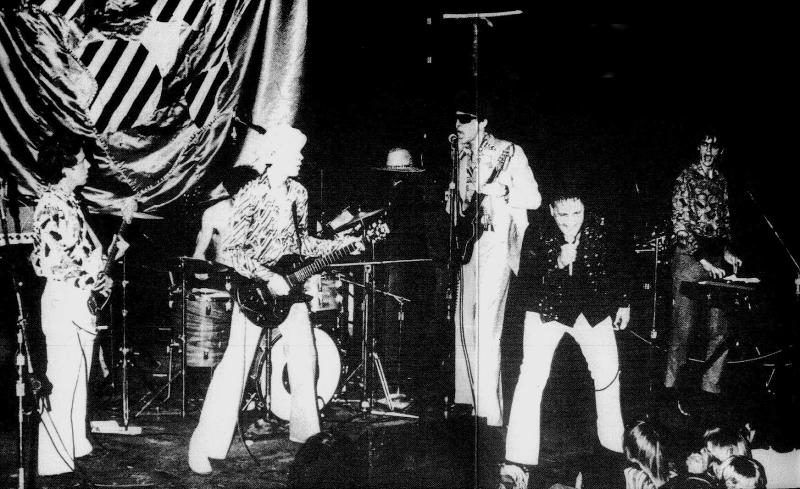
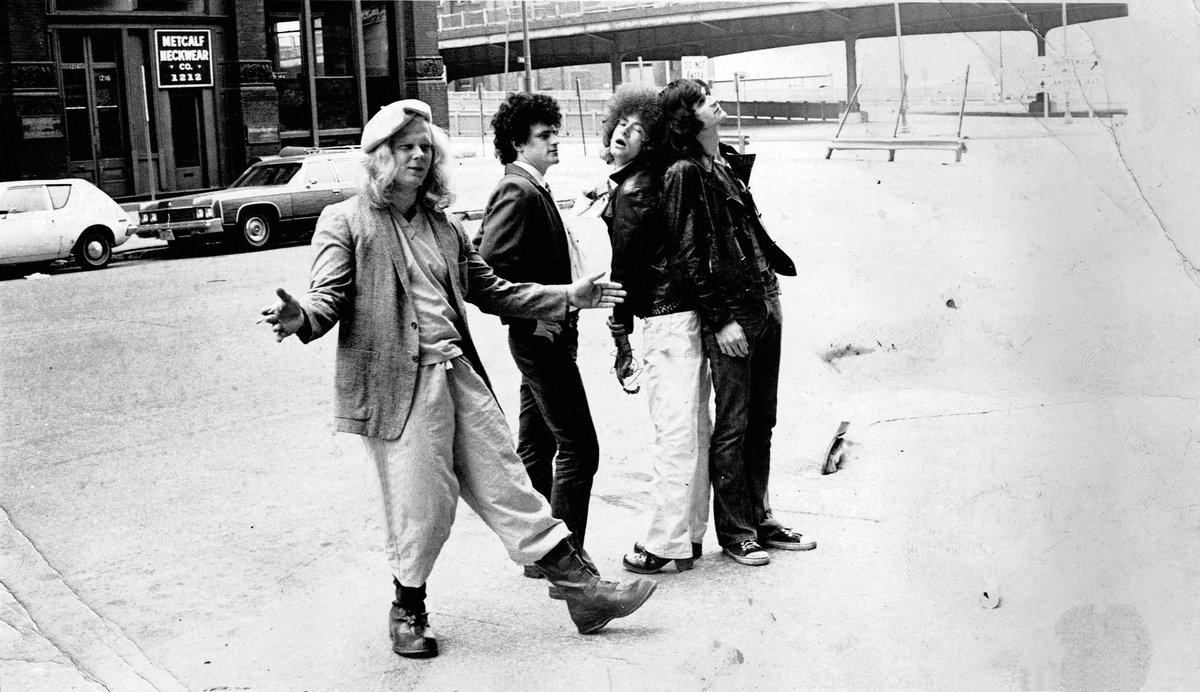
Electric Eels’ Spotify BioWhat can you say about a scuzzy bunch of troublemakers, who used rock and roll as means of venting their seemingly endless frustration, boredom, and hatred upon an unsuspecting public? How about, "Cool, did they make any records?" The Electric Eels might well have been the biggest bunch of low-lifes to come out of the late pre-punk scene in Cleveland, which is saying something for a scene that contributed antisocial snotballs like the Pagans and substance-fueled art-punks like Rocket From the Tombs. They played a total of six gigs (all of which ended in violence and/or arrest) and recorded a handful of crudely played (and mostly bass-less) garage-punk that predicted the angry, fuzzed-out and revved-up sound of the Dead Boys and Rubber City Rebels. So it is safe to call theElectric Eels an influential band, but in a warped, disturbing kind of way.
They formed in 1972 after hulking John Morton and suburban Cleveland friends Dave E and Brian MacMahon saw a terrible band, with a recording… contract no less, open for Captain Beefheart and the Magic Band. Convinced that they could suck as much as said opening act, the Electric Eels became a reality. The problem was that Morton and pals were prone to violence (generally among themselves), and this became a part of their approach to recording and, more notoriously, performing. TheElectric Eels never employed a full-time bass player, and as a result their sound was fuzzy and grungy, but trebly and, at extreme volumes, capable of being quite irritating. So too was Morton's voice, which was more of a yelp and bark than anything that could be described as tuneful. Their gigs (all six of them) generally disintegrated into shouting matches and fights, especially when Morton would punctuate the songs by hammering a hunk of sheet metal, or start a lawn mower onstage. By late 1975, the Electric Eels' reputation for fighting and unstable (not to mention potentially dangerous) performances led to their being banned from virtually every club in Cleveland, signaling that the end was nigh. Loud, proud, obnoxious, and unapologetically incompetent, the Electric Eels were a great part of the great rock & roll tradition of expressing pure antisocial attitude. ~ John Dougan, Rovi
Viberate is a music analytics platform built for A&Rs, artist managers, labels, booking agents, marketers, and artists.
It helps music professionals track artist growth, analyze audience data, monitor playlist activity, compare artists, follow song performance, and identify opportunities across the music market.
Public artist pages provide a free preview of selected artist data. Paid plans provide access to deeper analytics, historical data, charts, comparisons, playlist tools, exports, alerts, reports, and additional professional features.
Yes. Public Viberate artist pages provide selected artist analytics and music data for free.
Viberate also offers a 7-day free trial of the full platform. A credit card is required to start the trial. The trial includes access to the complete product so users can test deeper artist analytics, historical views, playlist insights, comparisons, charts, exports, alerts, and reporting features before choosing a paid plan.
Viberate provides artist analytics across streaming, playlists, social media, video, radio airplay, songs, and audience markets.
Users can analyze Spotify performance, Spotify and Apple Music playlists, YouTube activity, TikTok and Instagram growth, radio spins, song performance, audience locations, demographics, rankings, and overall artist momentum.
Artist profiles also connect to music charts, similar artists, and comparison tools, helping users benchmark performance and evaluate artists in context.
Viberate updates key artist and track data daily.
For followed artists and tracks, selected data is refreshed multiple times per day. This helps teams monitor playlist changes, streaming movement, audience growth, releases, and campaign performance with more current data.
Update frequency can vary depending on the metric and data source.
Yes. Viberate lets users compare up to five artists side by side across streaming, social media, audience, and engagement metrics.
Users can compare fanbase growth, audience demographics, locations, Spotify performance, social metrics, and other artist data over selected time periods.
Artist comparison can be used for A&R scouting, benchmarking, booking decisions, campaign planning, and evaluating artists with similar audiences or market positions.