Simply Saucer

Rock
Indie Rock
Garage Rock
Psychedelic Rock
 Viberate Rank: 400690
 Viberate Rank: 400690
 Monthly ListenersFollowers
 Subscribers
 Followers
 Followers
 FansTop Spotify Songs
| Track | 7-Day Streams | |
|---|---|---|
1 | 233 | |
2 | 99 | |
3 | 65 | |
4 | 58 | |
5 | 54 |
Top YouTube VideosMonthly ListenersFeatured in Playlists| Playlist | Followers | |
|---|---|---|
1 |  The Evolution of Punk (In Chronological Order) kingfirley | 16.18K |
2 |  70s Proto-Metal, Heavy Psych & Obscure Hard Rock Jordan Edrei | 11.27K |
3 |  FLAG RADIO Cornelius 2024-2026 α-STATION FM KYOTO | 9.15K |
4 |  Off Your Face anton newcombe | 5.86K |
5 |  Soul Jazz Records Martin Abrams | 5.42K |
Audience| City | Monthly Listeners | |
|---|---|---|
1 |  | 42 |
2 | | 40 |
3 | | 34 |
4 | | 31 |
5 | | 25 |
See full performance history, audience data, playlist activity, rankings, comparisons, and more in Viberate music analytics. Start with a free trial, then continue with a paid plan.
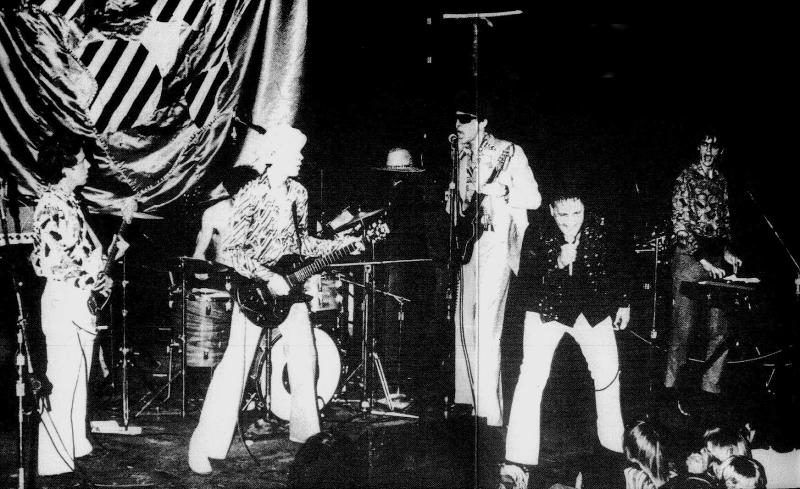
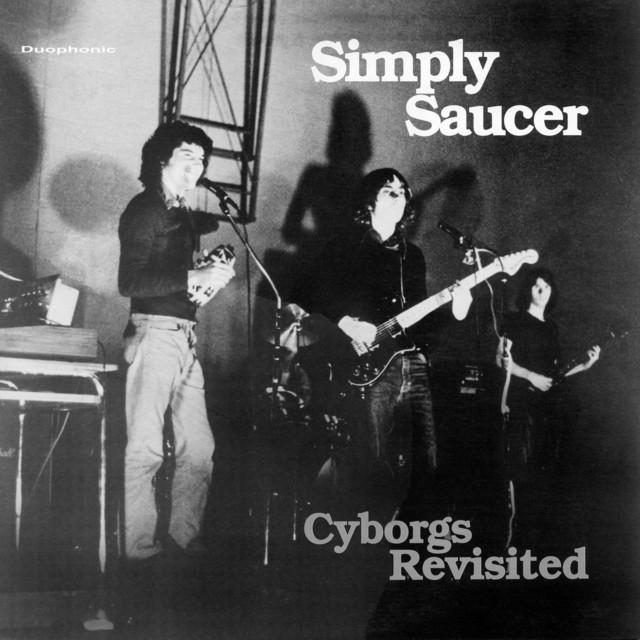
Simply Saucer’s Spotify BioThis four-piece band from Hamilton, Ontario, was formed in 1973 by Edgar Breau on lead guitar and vocals, Kevin Christoff on bass, Neil DeMerchant on drums, and Ping Romany on electronics. Though Simply Saucer had the guts to bring together tremendous influences from rock's past, including the Velvet Underground, early Pink Floyd, and the Stooges, the band was hardly noticed outside of its local area. After numerous lineup changes and shifts in sound, Simply Saucer disbanded by the end of the '70s, leaving only partial live recordings and a few studio tracks produced by Bob and Daniel Lanois in their basement. The Lanois brothers would become super-producers, but the only lasting product of that time was a reissue on Fistpuppet/Cargo, which includes the original Lanois recordings and some live tracks recorded on top of a shopping mall in downtown Hamilton.
Nearly three decades went by, and then in 2007, after regrouping for a reunion gig at the Casbah in their hometown, they returned to… the studio to record Half Human, Half Live for their new label, Sonic Unyon. ~ Matt Carlson, Rovi
Viberate is a music analytics platform built for A&Rs, artist managers, labels, booking agents, marketers, and artists.
It helps music professionals track artist growth, analyze audience data, monitor playlist activity, compare artists, follow song performance, and identify opportunities across the music market.
Public artist pages provide a free preview of selected artist data. Paid plans provide access to deeper analytics, historical data, charts, comparisons, playlist tools, exports, alerts, reports, and additional professional features.
Yes. Public Viberate artist pages provide selected artist analytics and music data for free.
Viberate also offers a 7-day free trial of the full platform. A credit card is required to start the trial. The trial includes access to the complete product so users can test deeper artist analytics, historical views, playlist insights, comparisons, charts, exports, alerts, and reporting features before choosing a paid plan.
Viberate provides artist analytics across streaming, playlists, social media, video, radio airplay, songs, and audience markets.
Users can analyze Spotify performance, Spotify and Apple Music playlists, YouTube activity, TikTok and Instagram growth, radio spins, song performance, audience locations, demographics, rankings, and overall artist momentum.
Artist profiles also connect to music charts, similar artists, and comparison tools, helping users benchmark performance and evaluate artists in context.
Viberate updates key artist and track data daily.
For followed artists and tracks, selected data is refreshed multiple times per day. This helps teams monitor playlist changes, streaming movement, audience growth, releases, and campaign performance with more current data.
Update frequency can vary depending on the metric and data source.
Yes. Viberate lets users compare up to five artists side by side across streaming, social media, audience, and engagement metrics.
Users can compare fanbase growth, audience demographics, locations, Spotify performance, social metrics, and other artist data over selected time periods.
Artist comparison can be used for A&R scouting, benchmarking, booking decisions, campaign planning, and evaluating artists with similar audiences or market positions.