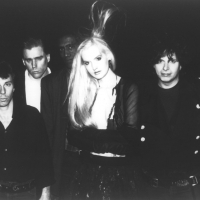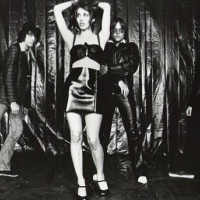
Destroy All Monsters

Rock
Alternative Rock
Garage Rock
 Viberate Rank: 276936
 Viberate Rank: 276936
 Monthly ListenersFollowers
 Subscribers
 Followers
 Followers
 FansTop Spotify Songs
| Track | 7-Day Streams | |
|---|---|---|
1 | 504 | |
2 | 289 | |
3 | 190 | |
4 | 121 | |
5 | 88 |
Top YouTube VideosMonthly ListenersFeatured in Playlists| Playlist | Followers | |
|---|---|---|
1 |  Bee Movie Justas Janušauskas | 28.31K |
2 |  FLAG RADIO Cornelius 2024-2026 α-STATION FM KYOTO | 9.15K |
3 |  Surf rock/psychadelic/jingly jangly Sam Gbr Vy | 8.46K |
4 |  Off Your Face anton newcombe | 5.86K |
5 |  Jarvis Cocker's Sunday Service Anders Björk | 5.09K |
Audience| City | Monthly Listeners | |
|---|---|---|
1 | | 75 |
2 | | 60 |
3 | | 56 |
4 | | 54 |
5 | | 52 |
See full performance history, audience data, playlist activity, rankings, comparisons, and more in Viberate music analytics. Start with a free trial, then continue with a paid plan.
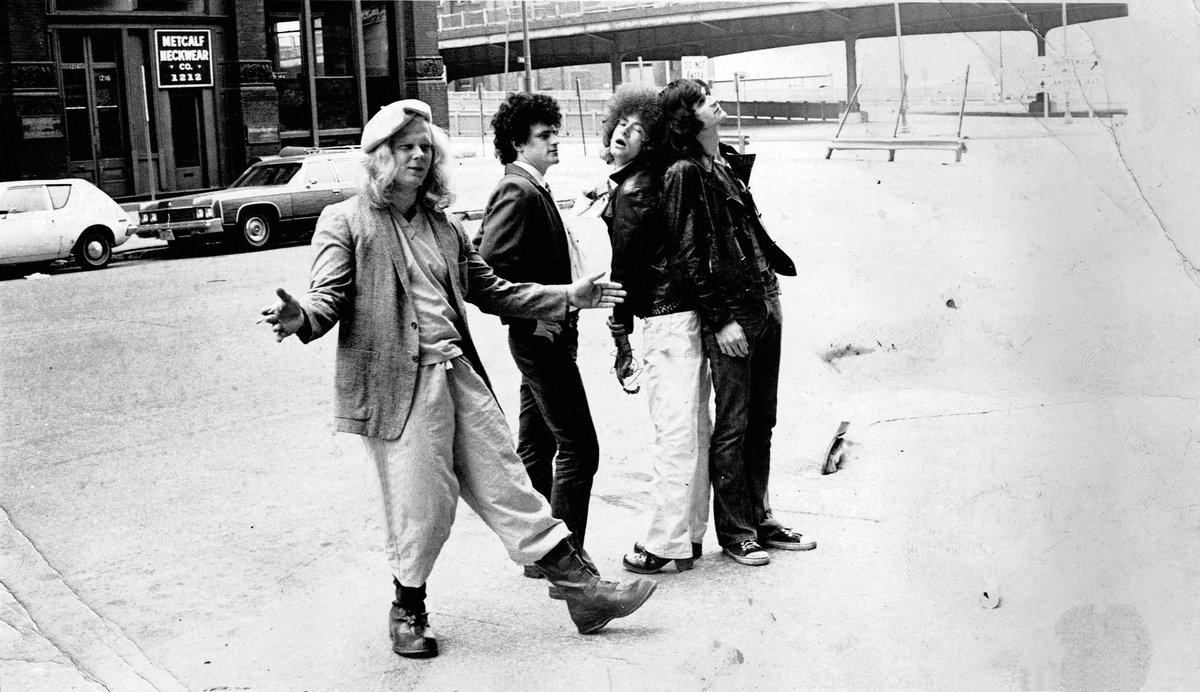
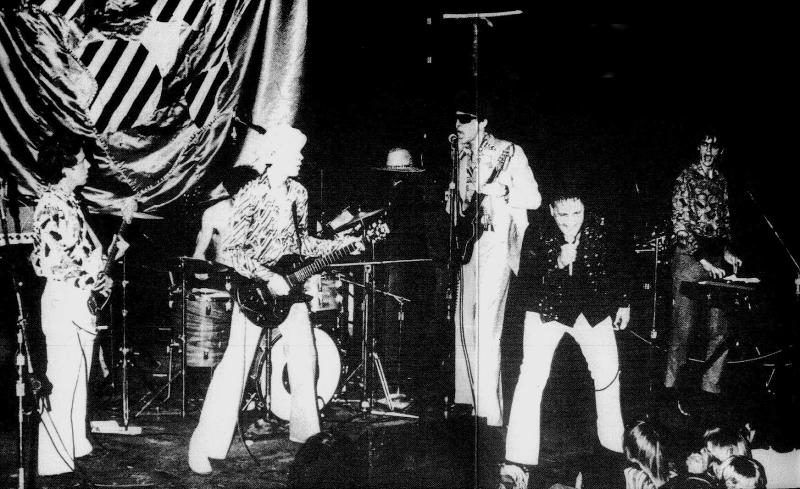
Destroy All Monsters’ Spotify BioAn anti-rock band founded in direct reaction to the pretensions and complacency of 1970s pop music, the Detroit-based noise deconstructionists Destroy All Monsters earned their greatest attention at the peak of the punk era, thanks to a lineup that included alumni of the MC5 and the Stooges. Named after a cult-favorite Japanese monster movie, Destroy All Monsters was formed in 1973 by art students Niagara (a former model), Jim Shaw, Mike Kelley, and Cary Loren; influenced by everything from underground comix to film noir to psychedelia, the highly visual group was experimental and abrasive, with Niagara's Betty Boop-vocals and squealing violin cresting atop waves of trance-like sonic dementia.
The original incarnation of Destroy All Monsters never widely released any official recordings, and by 1976 both Shaw and Kelley had exited to continue their graphic art careers, both later gaining considerable renown as underground talents. Niagara and Loren continued on, recruiting brothers… Larry and Ben Miller (space guitar and saxophone, respectively); within six months, former Stooges guitarist Ron Asheton and onetime MC5 bassist Michael Davis had also signed on, pointing the group's sound in a more dynamic and energetic direction. Upon releasing their first-ever single, 1978's "Bored," Destroy All Monsters became darlings of the British music press, based largely upon the connection to the Stooges' legacy; "Bored" was soon set for U.K. release on the Cherry Red label, which licensed the record before ever even hearing it.
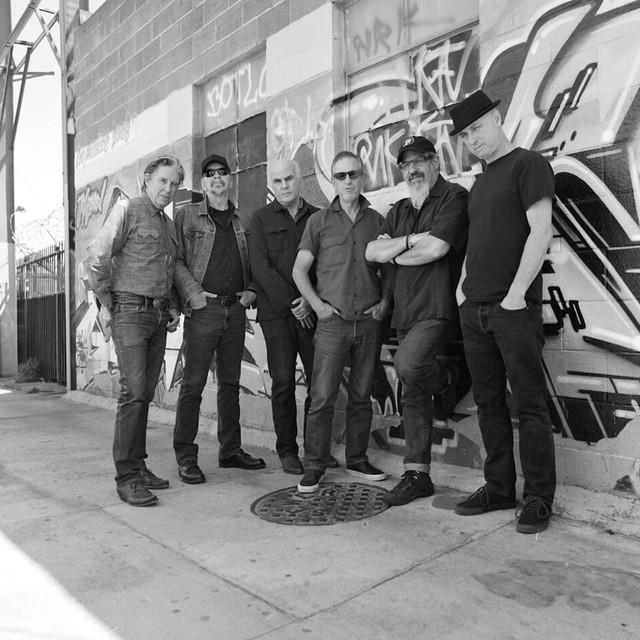
Even as a second single, "Meet the Creeper," was being readied for release, Destroy All Monsters was coming apart; tensions within the group had come to a head when Niagara left longtime boyfriend Loren to hook up with Asheton, and soon Loren, as well as the Miller brothers, left the band over creative differences. In response, Loren issued a 1979 live EP, The Days of Diamonds; a year later, he, the Millers, and drummer Rob King formed Xanadu, recording an EP, Black-Out in the City, co-produced by Kelley and Shaw. Meanwhile, the remaining members of Destroy All Monsters carried on until 1985 before finally disbanding. In the wake of a 1994 box set, the original lineup occasionally re-formed to play live and record new material. A concert set, Live in Tokyo & Osaka, appeared in 2008. The discovery of a cache of unreleased Destroy All Monsters recordings led to the release of 2014's Hot Box, which featured rare and little-heard performances from both editions of the group. While Destroy All Monsters were inactive in 2015, Niagara could say she had an album in the charts -- one of her paintings was used as the cover artwork for Kid Rock's album First Kiss. Jim Shaw was also getting attention for his visual art in 2015, with a major retrospective of his work, "Jim Shaw: The End Is Near," receiving positive reviews after opening at the New Museum in New York City. ~ Jason Ankeny, Rovi
Viberate is a music analytics platform built for A&Rs, artist managers, labels, booking agents, marketers, and artists.
It helps music professionals track artist growth, analyze audience data, monitor playlist activity, compare artists, follow song performance, and identify opportunities across the music market.
Public artist pages provide a free preview of selected artist data. Paid plans provide access to deeper analytics, historical data, charts, comparisons, playlist tools, exports, alerts, reports, and additional professional features.
Yes. Public Viberate artist pages provide selected artist analytics and music data for free.
Viberate also offers a 7-day free trial of the full platform. A credit card is required to start the trial. The trial includes access to the complete product so users can test deeper artist analytics, historical views, playlist insights, comparisons, charts, exports, alerts, and reporting features before choosing a paid plan.
Viberate provides artist analytics across streaming, playlists, social media, video, radio airplay, songs, and audience markets.
Users can analyze Spotify performance, Spotify and Apple Music playlists, YouTube activity, TikTok and Instagram growth, radio spins, song performance, audience locations, demographics, rankings, and overall artist momentum.
Artist profiles also connect to music charts, similar artists, and comparison tools, helping users benchmark performance and evaluate artists in context.
Viberate updates key artist and track data daily.
For followed artists and tracks, selected data is refreshed multiple times per day. This helps teams monitor playlist changes, streaming movement, audience growth, releases, and campaign performance with more current data.
Update frequency can vary depending on the metric and data source.
Yes. Viberate lets users compare up to five artists side by side across streaming, social media, audience, and engagement metrics.
Users can compare fanbase growth, audience demographics, locations, Spotify performance, social metrics, and other artist data over selected time periods.
Artist comparison can be used for A&R scouting, benchmarking, booking decisions, campaign planning, and evaluating artists with similar audiences or market positions.