Crime

Punk
Punk Rock
Garage Rock
 Viberate Rank: 319038
 Viberate Rank: 319038
 Monthly ListenersFollowers
 Subscribers
 Followers
 Followers
 FansTop Spotify Songs
| Track | 7-Day Streams | |
|---|---|---|
1 | 655 | |
2 | 279 | |
3 | 220 | |
4 | 192 | |
5 | 140 |
Top YouTube VideosMonthly ListenersFeatured in Playlists| Playlist | Followers | |
|---|---|---|
1 |  Off Your Face anton newcombe | 5.86K |
2 |  Soul Jazz Records Martin Abrams | 5.42K |
3 |  Jarvis Cocker's Sunday Service Anders Björk | 5.09K |
4 |  Radio 1 Disco’shit Gergely Gábor Tóth | 3.44K |
5 | 60s & 70s Proto-Punk / Punk Walrus | 2.85K |
Audience| City | Monthly Listeners | |
|---|---|---|
1 | | 114 |
2 | | 66 |
3 | | 60 |
4 | | 57 |
5 | | 52 |
See full performance history, audience data, playlist activity, rankings, comparisons, and more in Viberate music analytics. Start with a free trial, then continue with a paid plan.
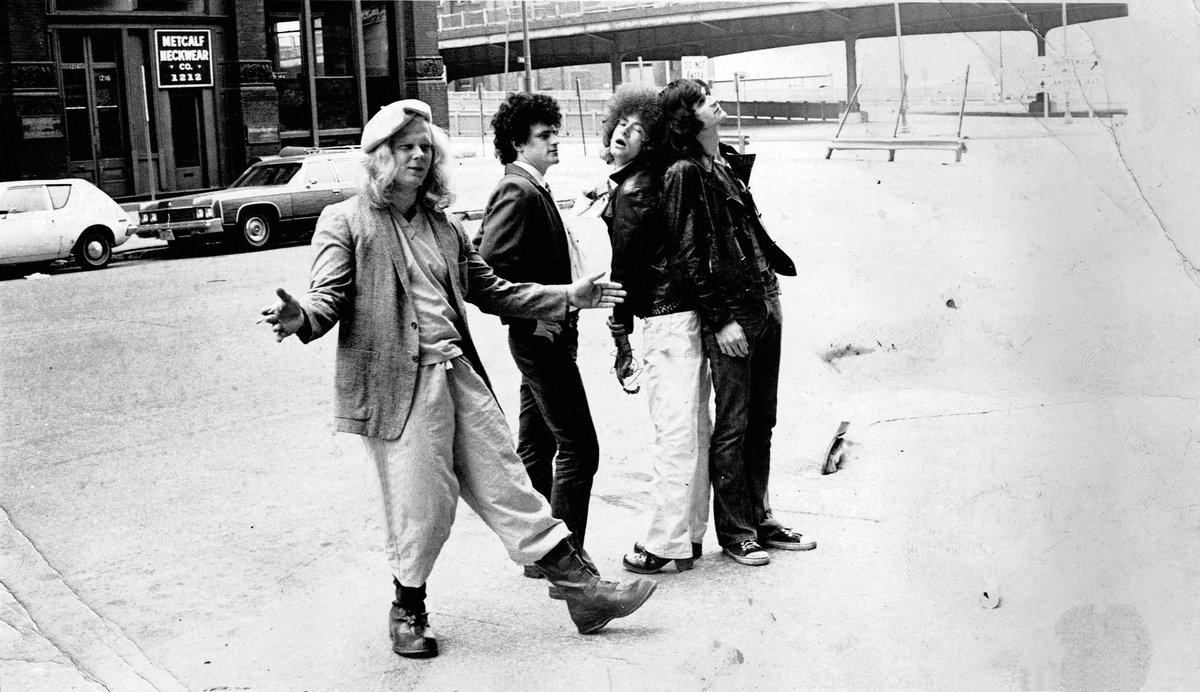
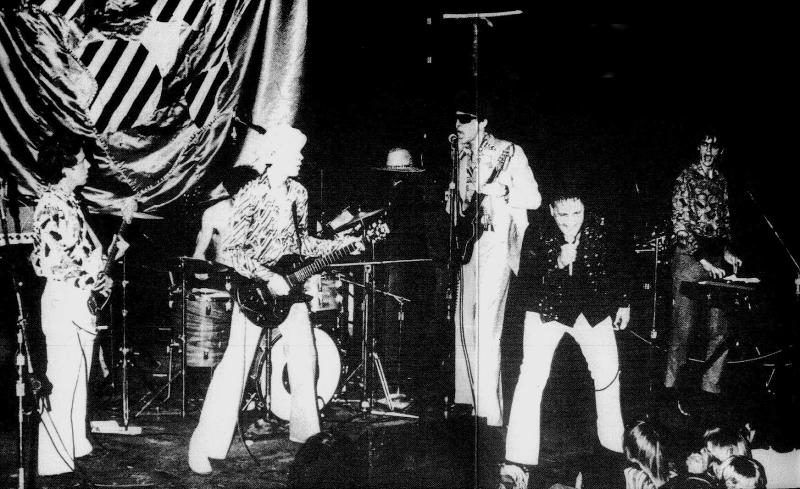
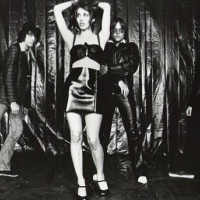
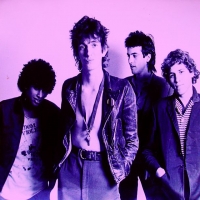
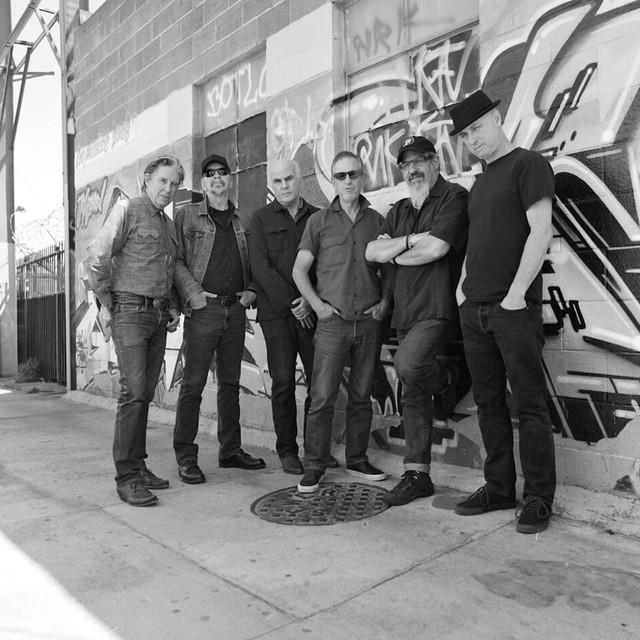
Crime’s Spotify BioProclaiming themselves as "San Francisco's first and only rock & roll band," Crime was a forerunner in America's do-it-yourself punk history, releasing their first single in late 1976. Though they never referred to themselves as punk (a term they felt was a media concoction), Crime had all the elements of a classic punk band, with their snotty attitude and garage rock-meets-Raw Power-era Stooges sound. Guitarists Johnny Strike and Frankie Fix began rehearsing and learning their instruments together in 1975, with the idea of forming a glam rock group named the Space Invaders and appearing around town in extreme outfits. By the time Ron "The Ripper" Greco joined (Greco was a veteran of many '60s bands, notably the Chosen Few, who would evolve into the Flamin' Groovies), the glitter rock era had ended and the band opted to change their image -- now donning black leathers -- and change their name to Crime. Once drummer Ricky Tractor (now deceased) came aboard, Crime's first lineup was in… place.
The band's initial recording session took place in mid-1976, which yielded the contents of the "Hot Wire My Heart" b/w "Baby You're So Repulsive" 45. They made their live debut at a gay political fund-raiser on Halloween, 1976; the plug was pulled during the fifth song, as many were headed for the exits. After the release of the "Hot Wire" 7" on their own Crime Music label, they began appearing regularly at Mabuhay Gardens, a Filipino nightclub that would become the epicenter of San Francisco's punk scene. But Crime were outcasts within a group of outsiders, making high profile enemies early on and often. By 1977 they had begun sporting standard police uniforms at live dates and on the streets of San Francisco, much to the dismay of the San Francisco police department. A second vinyl release, "Frustration" b/w "Murder by Guitar" (with Brittley Black on drums), came out in mid-1977, again on Crime Music. Out-of-town gigs were sporadic, though the group did perform at San Quentin Penitentiary in full police garb. Studio recording continued, but they found little interest from labels, due in part to their antisocial behavior; Fix alienated Seymour Stein of Sire Records by informing him that he was wasting his time with the Ramones, and that they were "hippies who should get haircuts." A third and final single, "Gangster Funk" b/w "Maserati," was delivered via the independent Berkeley Squared, and found the band using a synthesizer, which was also incorporated into their live show. Crime soldiered on for a brief period before quietly disbanding in 1982. "Hot Wire my Heart was covered by art-punks Sonic Youth on their Sister LP in 1987. A posthumous collection, San Francisco's Doomed, containing unreleased studio sessions from 1978 and 1979 (with Hank Rank handling the drum duties), was let loose in 1992. The same year, Spirit Records re-released the first two 45s in limited editions. Hate Us or Love Us, We Don't Give a Fuck is a legit issue (with four bonus tracks) of the Terminal Boredom bootleg. In 2002, guitarist Johnny Strike's band TVH released their debut record, Night Raid on Lisbon. The record recaptured some of Crime's energy and included a cover of "Hot Wire My Heart" for good measure. Strike died in September 2018 at age 70 after a long bout with cancer. ~ Bart Bealmear, Rovi
Viberate is a music analytics platform built for A&Rs, artist managers, labels, booking agents, marketers, and artists.
It helps music professionals track artist growth, analyze audience data, monitor playlist activity, compare artists, follow song performance, and identify opportunities across the music market.
Public artist pages provide a free preview of selected artist data. Paid plans provide access to deeper analytics, historical data, charts, comparisons, playlist tools, exports, alerts, reports, and additional professional features.
Yes. Public Viberate artist pages provide selected artist analytics and music data for free.
Viberate also offers a 7-day free trial of the full platform. A credit card is required to start the trial. The trial includes access to the complete product so users can test deeper artist analytics, historical views, playlist insights, comparisons, charts, exports, alerts, and reporting features before choosing a paid plan.
Viberate provides artist analytics across streaming, playlists, social media, video, radio airplay, songs, and audience markets.
Users can analyze Spotify performance, Spotify and Apple Music playlists, YouTube activity, TikTok and Instagram growth, radio spins, song performance, audience locations, demographics, rankings, and overall artist momentum.
Artist profiles also connect to music charts, similar artists, and comparison tools, helping users benchmark performance and evaluate artists in context.
Viberate updates key artist and track data daily.
For followed artists and tracks, selected data is refreshed multiple times per day. This helps teams monitor playlist changes, streaming movement, audience growth, releases, and campaign performance with more current data.
Update frequency can vary depending on the metric and data source.
Yes. Viberate lets users compare up to five artists side by side across streaming, social media, audience, and engagement metrics.
Users can compare fanbase growth, audience demographics, locations, Spotify performance, social metrics, and other artist data over selected time periods.
Artist comparison can be used for A&R scouting, benchmarking, booking decisions, campaign planning, and evaluating artists with similar audiences or market positions.