Edna Wright

R&B
Contemporary R&B
 Viberate Rank: 349400
 Viberate Rank: 349400
 Monthly ListenersFollowers
 Subscribers
 Followers
 Followers
 FansTop Spotify Songs
| Track | 7-Day Streams | |
|---|---|---|
1 | 1.33K | |
2 | 840 | |
3 | 308 | |
4 | 115 | |
5 | 40 |
Top YouTube VideosMonthly ListenersFeatured in Playlists| Playlist | Followers | |
|---|---|---|
1 | While You Work (@whileyouwork) Eli Feghali | 81.75K |
2 |  Very Beautiful Songs Alex Delany | 24.83K |
3 |  Morning Soul. Musical Metaphors | 13.54K |
4 |  Rare Groove Filtr Sweden | 12.07K |
5 | Best Rare Grooves Ever ❤️ Francis Amara | 11.07K |
Audience| City | Monthly Listeners | |
|---|---|---|
1 |  | 311 |
2 |  | 58 |
3 | | 25 |
4 |  | 24 |
5 | | 22 |
See full performance history, audience data, playlist activity, rankings, comparisons, and more in Viberate music analytics. Start with a free trial, then continue with a paid plan.
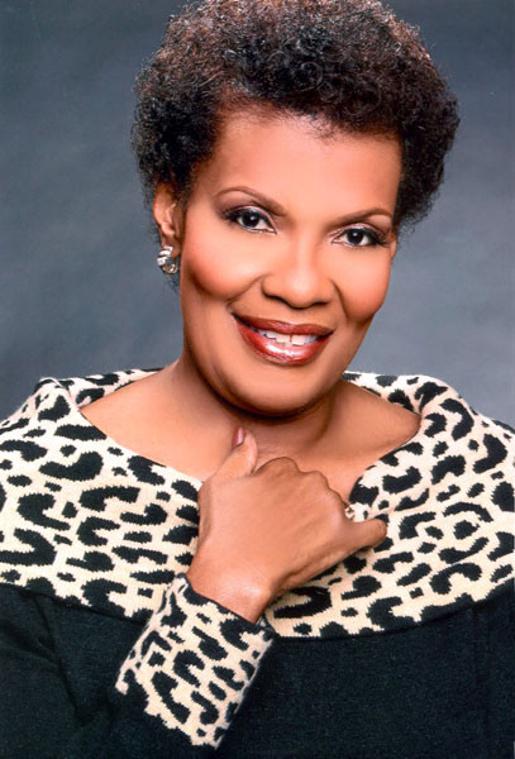
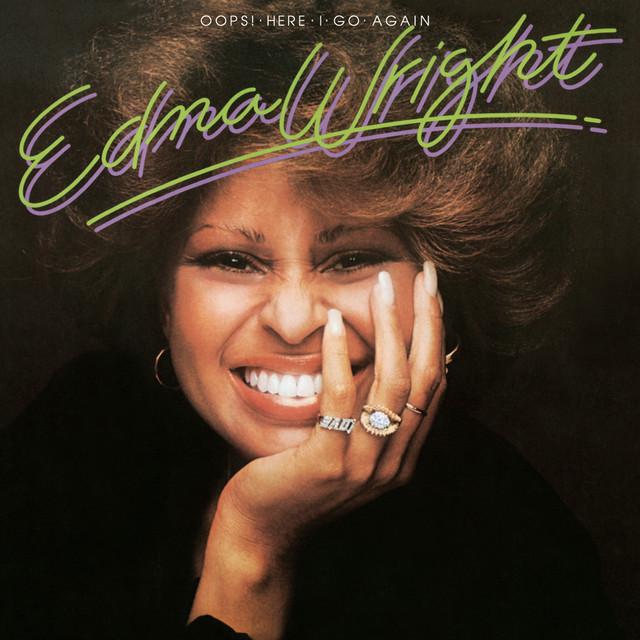
Edna Wright’s Spotify BioEdna Wright is best-known for the four years she spent as the lead singer of the female vocal trio Honey Cone, but the Los Angeles native had a long resume before forming that well-known group and remained active in music long after Honey Cone's breakup. Born in L.A. in 1944, Wright was the younger sister of vocalist Darlene Love (who is known for her years with Bob B. Soxx & the Blue Jeans, a group that had some hits in the early '60s). Like Love, Wright was a member of an L.A.-based vocal group called the Blossoms, and like Love, Wright had some gospel credentials but ended up making secular R&B her main focus. In the '60s, Wright (who had a Christian upbringing and sang in church when she was growing up) performed gospel with the Church of God in Christ Singers; most of her work, however, has been secular. In her pre-Honey Cone days, Wright sang backup for various artists, including Ray Charles and the Righteous Brothers. And she also did some recording as a solo artist in the '60s;… using the pseudonym Sandy Wynns, Wright recorded a solo single, titled "A Touch of Venus," for the Champion label. The tune wasn't well-known nationally, although it did become a small regional hit in Southern California. It was in 1969 that Wright's best-known gig got underway; that year, she formed Honey Cone and hired Shellie Clark (born in 1943 in Brooklyn, New York) and Carolyn Willis (born in 1946 in Los Angeles, California). Clark and Willis both had noteworthy resumés; Clark was a former member of Ike & Tina Turner's female backup singers the Ikettes, while Willis -- like Wright's sister Darlene Love -- had been with Bob B. Soxx & the Blue Jeans. Honey Cone had only been together a few months when, in 1969, the group caught the attention of producer/songwriter Eddie Holland (who, along with Lamont Dozier and brother Brian Holland, was part of the famous Motor City production/songwriting team known as Holland-Dozier-Holland). Lucky for Honey Cone, Holland-Dozier-Holland had recently left Motown -- where they had provided major hits for the Four Tops, the Supremes, the Miracles, Marvin Gaye, the Isley Brothers, and other well-known artists -- and were starting a new Detroit-based outfit called Hot Wax/Invictus. They envisioned Hot Wax and Invictus as sister labels, much like Stax and Volt in Memphis. Modeling their company after Berry Gordy's Motown empire, Holland-Dozier-Holland wanted a lot of Motown-minded, Detroit-sounding artists and Honey Cone -- whose blend of sweetness and grit was heavily influenced by female Motown acts like Martha & the Vandellas and the Marvelettes -- fit right in. Honey Cone became Hot Wax's first signing and the threesome's debut single, "While You're Out Looking for Sugar," was Hot Wax's first release. That single wasn't a huge mega-smash, although it made it to number 26 on Billboard's R&B singles chart and number 62 on the weekly publication's pop singles chart. But the Honey Cone singles that soon followed did a lot better. The group's next single, "Girls, It Ain't Easy," became a number eight R&B hit in 1969, and in 1971, Honey Cone enjoyed their biggest hit of all when "Want Ads" (which dance-pop/urban/adult contemporary star Taylor Dayne covered in 1988) soared to number one on both the R&B and pop charts. Other major hits followed, including "Stick Up" (a number one R&B/number 11 pop hit), "The Day I Found Myself" (a ballad), and the Latin-influenced "One Monkey Don't Stop No Show" (which reached number five on Billboard's R&B singles chart and number 15 on its pop singles chart). But as big as Honey Cone was from 1969 to 1972, things slowed down considerably for the trio in 1973. None of the Honey Cone singles that Hot Wax put out in 1973 were big hits, and sadly, Holland-Dozier-Holland's label was hurting financially. Despite having a commercially successful roster of artists -- not only Honey Cone but also Freda Payne, the Chairmen of the Board, 100 Proof (Aged in Soul), and Laura Lee -- Hot Wax/Invictus was experiencing a devastating cash flow problem. Allegedly, the company was having a hard time getting paid by its independent distributors. Discouraged by its lack of sales in 1973, Honey Cone broke up that year, and the following year, Hot Wax/Invictus went out of business. Honey Cone's demise meant that Wright was free to pursue a solo career and in 1976, her first solo LP, Oops! Here I Go Again, was released by RCA. The record wasn't a huge seller, although it has enjoyed cult status in England; in fact, the long out of print Oops! Here I Go Again is still a hot item among Brits who are into collecting '70s soul vinyl. After that LP, Wright didn't record a lot of solo albums but provided background vocals for a variety of major rock, R&B, and gospel artists, including Kim Carnes, U2, and Andrae Crouch in the '80s and Maria McKee (of Lone Justice fame) and fellow soul veteran Aaron Neville in the '90s. Edna Wright died after a heart attack on September 12, 2020; she was 76 years old. ~ Alex Henderson, Rovi
Viberate is a music analytics platform built for A&Rs, artist managers, labels, booking agents, marketers, and artists.
It helps music professionals track artist growth, analyze audience data, monitor playlist activity, compare artists, follow song performance, and identify opportunities across the music market.
Public artist pages provide a free preview of selected artist data. Paid plans provide access to deeper analytics, historical data, charts, comparisons, playlist tools, exports, alerts, reports, and additional professional features.
Yes. Public Viberate artist pages provide selected artist analytics and music data for free.
Viberate also offers a 7-day free trial of the full platform. A credit card is required to start the trial. The trial includes access to the complete product so users can test deeper artist analytics, historical views, playlist insights, comparisons, charts, exports, alerts, and reporting features before choosing a paid plan.
Viberate provides artist analytics across streaming, playlists, social media, video, radio airplay, songs, and audience markets.
Users can analyze Spotify performance, Spotify and Apple Music playlists, YouTube activity, TikTok and Instagram growth, radio spins, song performance, audience locations, demographics, rankings, and overall artist momentum.
Artist profiles also connect to music charts, similar artists, and comparison tools, helping users benchmark performance and evaluate artists in context.
Viberate updates key artist and track data daily.
For followed artists and tracks, selected data is refreshed multiple times per day. This helps teams monitor playlist changes, streaming movement, audience growth, releases, and campaign performance with more current data.
Update frequency can vary depending on the metric and data source.
Yes. Viberate lets users compare up to five artists side by side across streaming, social media, audience, and engagement metrics.
Users can compare fanbase growth, audience demographics, locations, Spotify performance, social metrics, and other artist data over selected time periods.
Artist comparison can be used for A&R scouting, benchmarking, booking decisions, campaign planning, and evaluating artists with similar audiences or market positions.