Albert Tootie Heath

Jazz
Big band Jazz
 Viberate Rank: 355651
 Viberate Rank: 355651
 Monthly ListenersFollowers
 Subscribers
 Followers
 Followers
 FansTop Spotify Songs
| Track | 7-Day Streams | |
|---|---|---|
1 | 5.45K | |
2 | 2.17K | |
3 | 1.81K | |
4 | 1.38K | |
5 | 1.21K |
Top YouTube VideosMonthly ListenersFeatured in Playlists| Playlist | Followers | |
|---|---|---|
1 | 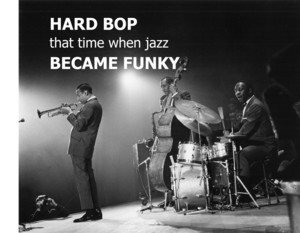 Hard Bop Jazz Mark Noordzij | 20.46K |
2 | Jazz Standards Playlist tmorral22 | 19.75K |
3 |  The Real Book Sixth Edition skathis | 18.84K |
4 | jazz,funk,soul,blues,afrobeat,latin İlker Özalp | 11.48K |
5 | Recommended performances from Ted Gioia's book 'The Jazz Standards' jhiggy58 | 8.57K |
Audience| City | Monthly Listeners | |
|---|---|---|
1 | | 190 |
2 |  | 183 |
3 |  | 139 |
4 |  | 131 |
5 |  | 117 |
See full performance history, audience data, playlist activity, rankings, comparisons, and more in Viberate music analytics. Start with a free trial, then continue with a paid plan.
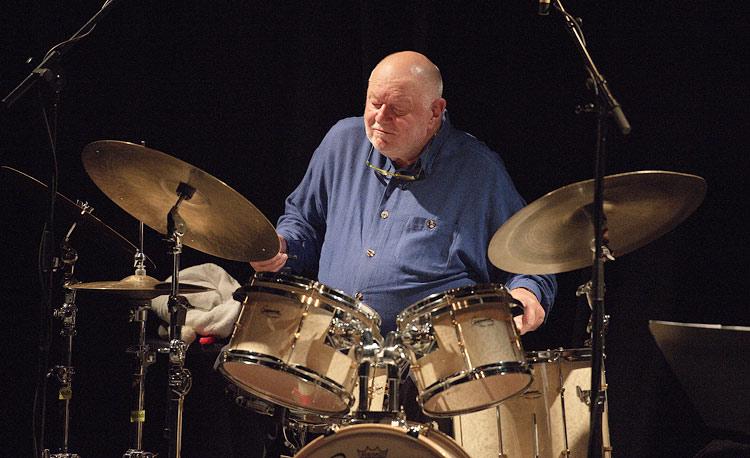
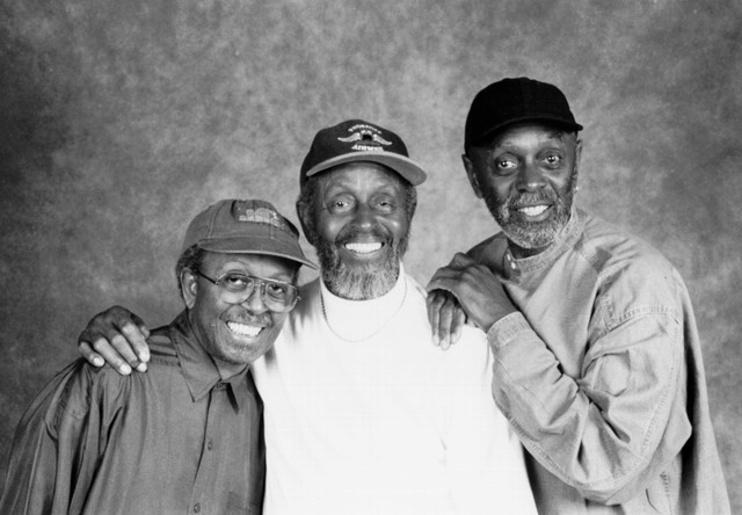
Albert Tootie Heath’s Spotify BioThe younger brother of Percy and Jimmy Heath, Albert "Tootie" Heath has long been a top hard bop-based drummer with an open mind toward more commercial styles of jazz. After moving to New York (1957), he debuted on record with John Coltrane. Heath was with J.J. Johnson's group (1958-1960) and the Jazztet (1960-1961), worked with the trios of Cedar Walton and Bobby Timmons in 1961, and recorded many records as a sideman for Riverside during that era. He lived in Europe in 1965-1968 (working frequently with Kenny Drew, Dexter Gordon, and backing touring Americans), and, after returning to the U.S., he played regularly with Herbie Hancock's sextet (1968-1969) and Yusef Lateef (1970-1974). After an additional year in Europe, he joined the Heath Brothers band (1975-1978) and then settled in Los Angeles, where Tootie Heath continued freelancing, recording with the Riverside Reunion Band. ~ Scott Yanow, Rovi
Viberate is a music analytics platform built for A&Rs, artist managers, labels, booking agents, marketers, and artists.
It helps music professionals track artist growth, analyze audience data, monitor playlist activity, compare artists, follow song performance, and identify opportunities across the music market.
Public artist pages provide a free preview of selected artist data. Paid plans provide access to deeper analytics, historical data, charts, comparisons, playlist tools, exports, alerts, reports, and additional professional features.
Yes. Public Viberate artist pages provide selected artist analytics and music data for free.
Viberate also offers a 7-day free trial of the full platform. A credit card is required to start the trial. The trial includes access to the complete product so users can test deeper artist analytics, historical views, playlist insights, comparisons, charts, exports, alerts, and reporting features before choosing a paid plan.
Viberate provides artist analytics across streaming, playlists, social media, video, radio airplay, songs, and audience markets.
Users can analyze Spotify performance, Spotify and Apple Music playlists, YouTube activity, TikTok and Instagram growth, radio spins, song performance, audience locations, demographics, rankings, and overall artist momentum.
Artist profiles also connect to music charts, similar artists, and comparison tools, helping users benchmark performance and evaluate artists in context.
Viberate updates key artist and track data daily.
For followed artists and tracks, selected data is refreshed multiple times per day. This helps teams monitor playlist changes, streaming movement, audience growth, releases, and campaign performance with more current data.
Update frequency can vary depending on the metric and data source.
Yes. Viberate lets users compare up to five artists side by side across streaming, social media, audience, and engagement metrics.
Users can compare fanbase growth, audience demographics, locations, Spotify performance, social metrics, and other artist data over selected time periods.
Artist comparison can be used for A&R scouting, benchmarking, booking decisions, campaign planning, and evaluating artists with similar audiences or market positions.