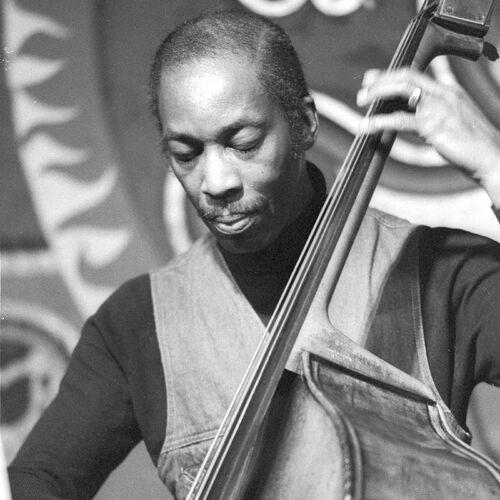
Victor Feldman

Jazz
Big band Jazz
Smooth Jazz
Bebop
 Viberate Rank: 287095
 Viberate Rank: 287095
 Monthly ListenersFollowers
 Subscribers
 Followers
 Followers
 FansTop Spotify Songs
| Track | 7-Day Streams | |
|---|---|---|
1 | 4.66K | |
2 | 2.52K | |
3 | 257 | |
4 | 98 | |
5 | 91 |
Top YouTube VideosMonthly ListenersFeatured in Playlists| Playlist | Followers | |
|---|---|---|
1 | Unofficial Reverb Radio Jeff Ferruzzo | 21.82K |
2 |  Hard Bop Jazz Mark Noordzij | 20.45K |
3 |  Jazz Live & Loud Spotify | 18.76K |
4 | Hip Hop Jazz marcstolz | 17.45K |
5 |  Gran Turismo Jazz Funk Vibes Edoardo Giovanelli | 15.02K |
Audience| City | Monthly Listeners | |
|---|---|---|
1 | | 70 |
2 |  | 41 |
3 |  | 36 |
4 |  | 36 |
5 | | 32 |
See full performance history, audience data, playlist activity, rankings, comparisons, and more in Viberate music analytics. Start with a free trial, then continue with a paid plan.
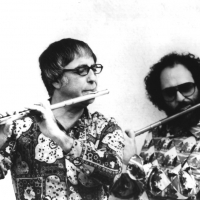
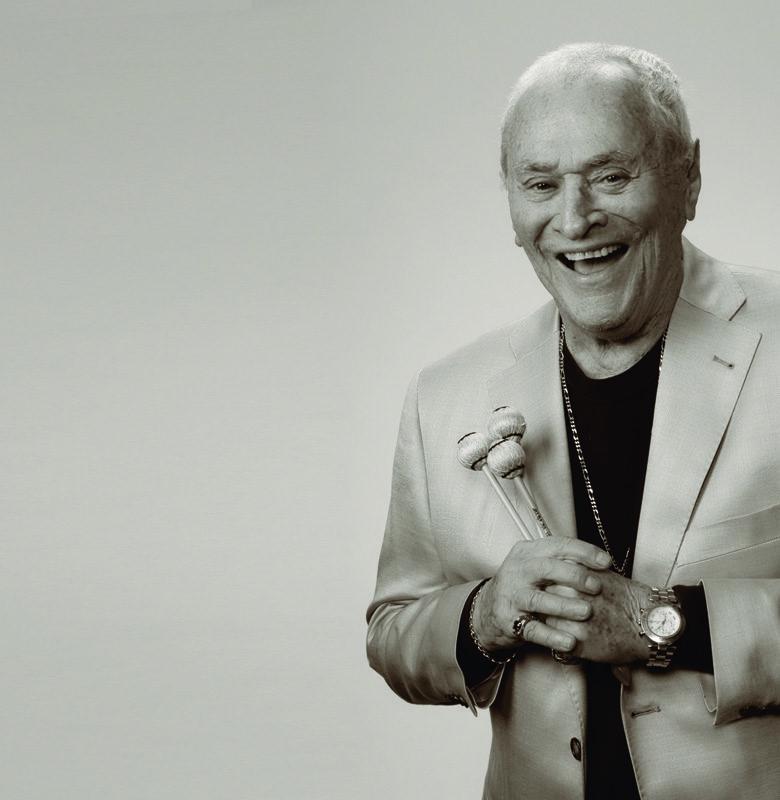
Victor Feldman’s Spotify BioVictor Feldman was a child prodigy who was a professional from the age of seven and sat in on drums with Glenn Miller's Army Air Force Band in 1944 when he was ten. He was active in his native England through the bebop years (mostly on drums), debuting as a leader in 1948. By 1952, Feldman was getting better-known for his vibes playing and he recorded extensively during the 1950s. After touring with Woody Herman (1956-1957), he decided to move to the U.S. in 1957, where he worked at the Lighthouse with Howard Rumsey. Feldman recorded (on vibes and piano) for Mode, Contemporary, and Riverside during 1957-1961, a period in which he became a busy studio musician. Feldman was with Cannonball Adderley's Quintet (mostly as a pianist) for six months in 1960-1961 and recorded with Miles Davis in 1963 (who offered him a job with his new quintet and recorded his original "Seven Steps to Heaven"), but remained in L.A. and the studios. He cut jazz dates for Choice, Concord, Palo Alto, and TBA and… in the 1980s up until his death he led a soulful crossover group (the Generation Band) that often featured his son, Trevor Feldman, on drums. ~ Scott Yanow, Rovi
Viberate is a music analytics platform built for A&Rs, artist managers, labels, booking agents, marketers, and artists.
It helps music professionals track artist growth, analyze audience data, monitor playlist activity, compare artists, follow song performance, and identify opportunities across the music market.
Public artist pages provide a free preview of selected artist data. Paid plans provide access to deeper analytics, historical data, charts, comparisons, playlist tools, exports, alerts, reports, and additional professional features.
Yes. Public Viberate artist pages provide selected artist analytics and music data for free.
Viberate also offers a 7-day free trial of the full platform. A credit card is required to start the trial. The trial includes access to the complete product so users can test deeper artist analytics, historical views, playlist insights, comparisons, charts, exports, alerts, and reporting features before choosing a paid plan.
Viberate provides artist analytics across streaming, playlists, social media, video, radio airplay, songs, and audience markets.
Users can analyze Spotify performance, Spotify and Apple Music playlists, YouTube activity, TikTok and Instagram growth, radio spins, song performance, audience locations, demographics, rankings, and overall artist momentum.
Artist profiles also connect to music charts, similar artists, and comparison tools, helping users benchmark performance and evaluate artists in context.
Viberate updates key artist and track data daily.
For followed artists and tracks, selected data is refreshed multiple times per day. This helps teams monitor playlist changes, streaming movement, audience growth, releases, and campaign performance with more current data.
Update frequency can vary depending on the metric and data source.
Yes. Viberate lets users compare up to five artists side by side across streaming, social media, audience, and engagement metrics.
Users can compare fanbase growth, audience demographics, locations, Spotify performance, social metrics, and other artist data over selected time periods.
Artist comparison can be used for A&R scouting, benchmarking, booking decisions, campaign planning, and evaluating artists with similar audiences or market positions.